Nepal Weather in April: What to Really Expect
Nepal weather in April: temperatures for Kathmandu, Pokhara and the trekking trails, the rhododendron season, festivals, and the pre-monsoon haze caveat.
April is Nepal's warm, flower-filled second peak season — just don't expect the crystal skies of October.
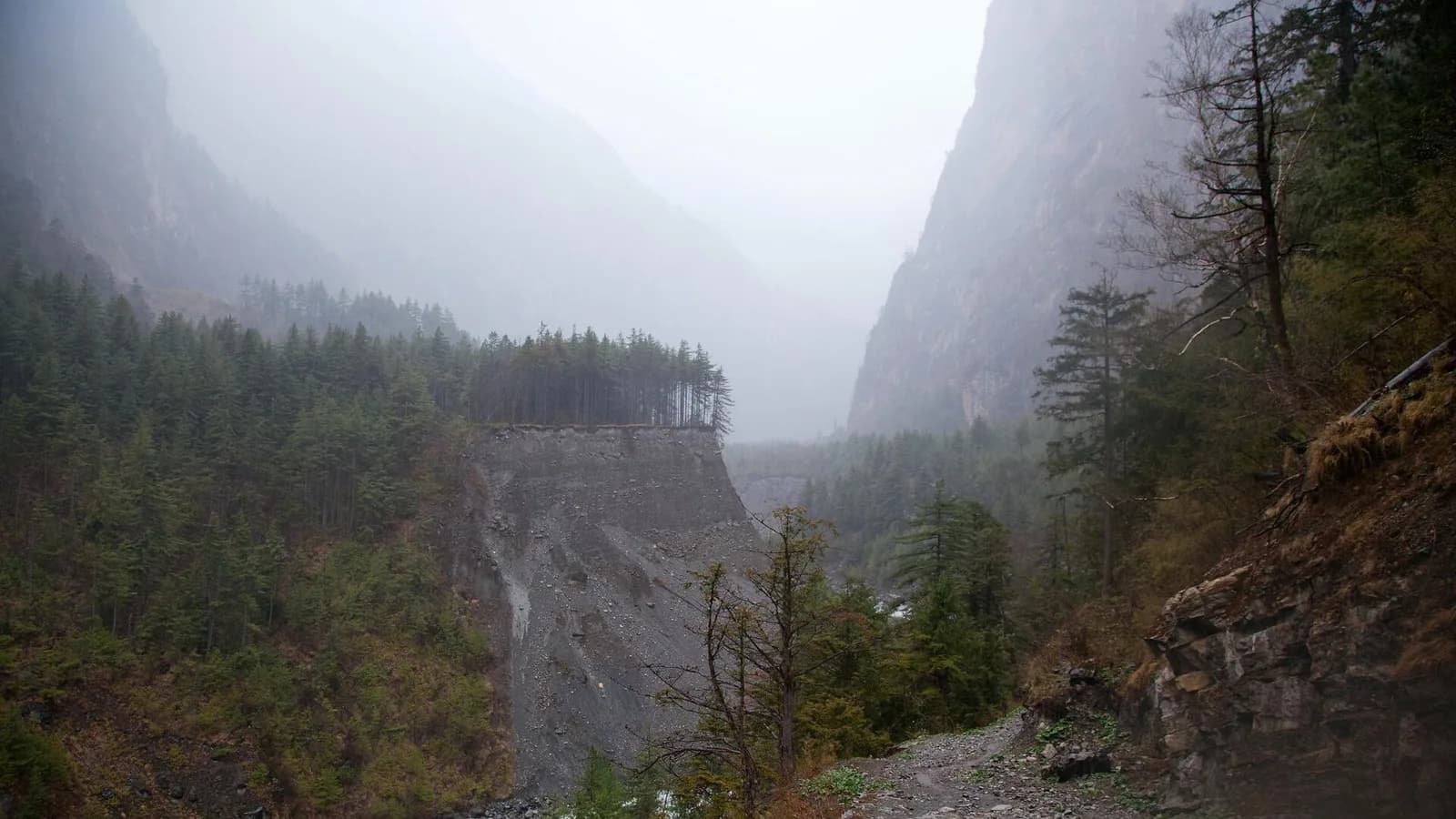
If you are weighing up when to travel, Nepal weather in April is some of the most inviting of the whole year. It is the heart of spring: the trekking trails reopen in earnest, the hillsides turn red and pink with blooming rhododendrons, and the country shrugs off the cold of winter. April is widely treated as one of Nepal's two peak seasons, alongside October and November.
But April has a personality of its own, and it is not simply "October with flowers." It is warmer, it carries the year's most famous festival, and it comes with one real caveat that the glossy brochures often skip: pre-monsoon haze. This guide walks through what the month actually feels like across the lowlands, the hills and the mountains, so you can plan around the good and the not-so-good. For the wider picture, pair it with our Nepal weather by month calendar and the activity-first best time to visit Nepal guide.
Key takeaways
- April is warm and largely dry in the hills and lowlands, and one of Nepal's two peak seasons.
- Kathmandu runs roughly 13–30°C; Pokhara is similar; the Terai is hotter, especially late in the month.
- It is prime trekking time: snow is clearing, days are mild, and rhododendrons are in full bloom.
- The main trade-off is pre-monsoon haze, which can soften the long-distance mountain views.
- Nepali New Year (Bikram Sambat 2083) falls on 14 April 2026, with Bisket Jatra in Bhaktapur around it.
- Pack in layers — warm and lowland by day, but genuinely cold at night above ~3,000 m.
What April weather feels like across Nepal
Nepal does not have a single climate. The country stacks tropical lowlands, temperate middle hills and high Himalaya within a short distance, so "April weather" means very different things depending on your altitude. The table below gives rough average daytime highs and the general feel; treat the numbers as typical ranges rather than guarantees, since any given year varies.
| Region | Typical April daytime high | Feel | Notes | |---|---|---|---| | Terai lowlands (e.g. Chitwan) | mid-30s °C by late month | Hot and humid | Good for wildlife; afternoons are intense | | Kathmandu Valley (~1,400 m) | ~27–30 °C | Warm days, cool evenings | Pleasant, but often hazy | | Pokhara (~800 m) | ~16–30 °C | Warm, slightly wetter | More cloud and rain than Kathmandu | | Mid-hills / lower trails | mild and comfortable | Spring-like | Rhododendrons in bloom | | High trekking altitudes | cold; below freezing at night | Sunny days, frigid nights | Snow lingers on high passes |
The headline is comfort at the levels where most visitors spend their time, with real cold reserved for altitude. That combination is exactly why April suits both sightseers and trekkers.
Kathmandu and Pokhara
In Kathmandu, April brings warm afternoons of around 30°C and pleasantly cool evenings near 13°C. Rain is occasional — a handful of days in the month — and usually arrives as a short afternoon or evening shower rather than persistent rain. Pokhara is broadly similar in temperature but tends to be cloudier and wetter, with more rainy days than the capital. Both cities are comfortable for walking, temple visits and lake time without the bite of winter or the soak of the monsoon.
The Terai lowlands
Down in the Terai — Chitwan, Bardia, Lumbini — April is hot. Early in the month it is manageable, but by late April daytime temperatures often push into the mid-30s. The upside is that the dry season concentrates wildlife around shrinking water sources and keeps the grass shorter, which is why this is a strong window for a Chitwan safari. Plan game drives and walks for the early morning and late afternoon, and rest through the midday heat.
Trekking in April: spring at its best
For many travellers, April is trekking season. After winter, the high trails are shedding snow, daytime temperatures are comfortable, and stable spring weather means a low chance of rain interrupting your days. It is consistently rated among the best months for the big routes.
Everest Base Camp
The Everest Base Camp trek shines in April. At lower elevations, daytime temperatures sit around 10–15°C, and even up high the days are usually above freezing under clear morning skies. The catch is the cold of the nights: at the highest camps such as Gorak Shep and base camp itself, temperatures can fall to roughly minus 10 to minus 15°C. Acclimatise properly, hydrate, and treat warm, windproof gear as non-negotiable — our altitude sickness guide covers the precautions in detail.
Annapurna and the rhododendrons
The Annapurna region is at its most photogenic in April. On the Annapurna Base Camp trek, daytime temperatures are typically a mild 10–15°C (warmer lower down), with cold nights near or below freezing at the sanctuary. Lower forested sections — and especially the Ghorepani Poon Hill trek — explode with rhododendron blossom, Nepal's national flower, painting whole hillsides red and pink. It is one of the defining sights of a Nepali spring.
Mornings remain your best friend for mountain views in any region: skies are clearest early, before the day's heat builds haze and cloud.
The haze caveat — the one thing to know
Here is the honest trade-off that sets April apart from October. Nepal's air pollution follows a U-shaped annual cycle that peaks in March and April, then again in winter. In the dry pre-monsoon weeks, prolonged dry weather and light winds trap dust and smoke close to the ground. Add the wildfire season — the great majority of wildfire incidents occur in March and April — plus pollution drifting up from the lowlands and across the southern border, and the result is a persistent grey haze over the valleys.
This is not a fringe issue. In recent springs the Kathmandu Post reported haze so severe it was described as unprecedented, with visibility in places dropping below eight kilometres, and ICIMOD noted Kathmandu endured polluted air for the large majority of a recent 90-day stretch. The practical effect for visitors is twofold: the city air can be uncomfortable on the worst days, and long-distance mountain panoramas are often softer than the razor-sharp views of autumn.
What you can do about it:
- Go early. Dawn consistently offers the clearest air and the best chance of a crisp horizon.
- Gain height. Above the haze layer, on the higher trekking sections, views are usually far better than from the valleys.
- Welcome the showers. A pre-monsoon storm often rinses dust from the air, leaving a day or two of unusually clear skies afterwards.
- Check live readings. Our Kathmandu air quality explainer points to real-time AQI tools and what the numbers mean.
None of this should put you off April — it remains a superb month — but it is why honest planners temper expectations of those postcard-perfect skies.
Festivals: Nepali New Year and Bisket Jatra
April is a wonderful month for culture. The centrepiece is Nepali New Year, the start of the Bikram Sambat calendar, which in 2026 falls on Tuesday 14 April and ushers in year 2083.
Wrapped around the New Year is Bisket Jatra in Bhaktapur, one of the most dramatic festivals in the Kathmandu Valley. Over several days the community hauls a towering chariot through narrow streets in a vigorous tug-of-war between the eastern and western halves of the city, and raises a tall ceremonial pole. Nearby Thimi adds a riot of colour with its own celebrations. If your dates line up, spending mid-April in the valley — easily reached on a Bhaktapur day trip — is a memorable cultural bonus on top of the spring weather.
Is April the right month for you?
Use this quick read to match April to your trip:
| You want to... | April verdict | |---|---| | Trek the big routes (Everest, Annapurna) | Excellent — peak spring season | | See rhododendrons in bloom | Ideal — the defining spring sight | | Get the sharpest possible mountain views | Good, not perfect — haze softens distance views | | Spot wildlife in Chitwan | Strong — but expect heat | | Experience a major festival | Yes — Nepali New Year and Bisket Jatra | | Avoid crowds | Mixed — popular, though usually less packed than October |
If your single priority is glass-clear Himalayan panoramas, October–November edges April out. For almost everything else — warmth, flowers, festivals and excellent trekking — April is hard to beat.
Practical tips for an April trip
- Layer up. Warm days and cool evenings in the hills; genuine cold at altitude. A light jacket for the city, serious insulation for high treks.
- Book ahead. April is peak season, so lock in flights, teahouses on popular trails, and Kathmandu accommodation early.
- Plan mornings for views. Schedule sunrise viewpoints and high passes early, before haze and afternoon cloud build.
- Carry sun protection. The spring sun is strong, especially at altitude where UV is intense.
- Manage lowland heat. In the Terai, keep midday light and save activity for the cooler ends of the day.
- Stay flexible on mountain photography. If a day is hazy, wait for a post-shower window or climb higher for clearer air.
Sources
- Rough Guides — Weather in Nepal in April
- Weather Spark — Average Weather in April in Pokhara, Nepal
- Himalayan Recreation — Everest Base Camp in April: weather and temperature
- Discovery World Trekking — Annapurna Base Camp weather
- Kathmandu Post — Nepal suffocates in unprecedented haze (April 2025)
- Kathmandu Post — Haze and pollution shroud Nepal for nearly a week (March 2026)
- ICIMOD — Kathmandu choked on polluted air for 75 of the last 90 days
- IQAir — Kathmandu Air Quality Index (AQI)
- Wikipedia — Bisket Jatra
- Nepal Traveller — Bisket Jatra 2026 Begins
Frequently asked questions
- Is April a good time to visit Nepal?
- Yes. April is one of Nepal's two peak seasons, alongside October and November. Days are warm, the high passes are clearing of snow, and the rhododendron forests are in full bloom. The main trade-off is haze, since pre-monsoon dust and smoke often soften the long-distance mountain views compared with the crisp air of autumn.
- How hot does Nepal get in April?
- In Kathmandu, daytime highs sit around 27 to 30 degrees Celsius and nights cool to roughly 13 degrees. Pokhara is similar, ranging from about 16 to 30 degrees. The Terai lowlands like Chitwan are noticeably hotter, often climbing into the mid-30s by late April, while high trekking altitudes stay cold and can drop well below freezing at night.
- Can you trek to Everest Base Camp in April?
- April is one of the best months for the Everest Base Camp trek. Trails are largely snow-free at lower elevations, daytime temperatures are comfortable, and stable spring weather brings a low chance of rain. Nights at high camps such as Gorak Shep are still very cold, often dropping to around minus 10 to minus 15 degrees Celsius, so warm gear remains essential.
- Does it rain in Nepal in April?
- April is mostly dry, but it is not rain-free. Kathmandu averages only a handful of wet days, usually brief afternoon or evening showers rather than all-day rain. Pokhara is wetter than the capital. These short pre-monsoon storms can actually help, since they sometimes wash dust out of the air and sharpen the mountain views for a day or two afterwards.
- What should I pack for Nepal in April?
- Pack in layers. For Kathmandu, Pokhara and the lowlands, light summer clothing works for the day with a light jacket for cool evenings. If you are trekking high, add proper insulation, a warm sleeping bag, gloves and a windproof shell, because temperatures plunge at night above roughly 3,000 metres. Sun protection and a refillable water bottle are useful everywhere.
- Is April good for a Chitwan jungle safari?
- April is one of the better months for wildlife in Chitwan. The dry season keeps the grass shorter and draws animals toward rivers and waterholes, improving your chances of spotting rhinos, deer and birds. The main downside is heat, as the Terai can become very hot by late April, so early-morning and late-afternoon activities are the most comfortable.
- What festivals happen in Nepal in April?
- The headline event is Nepali New Year, which in 2026 falls on Tuesday 14 April and marks the start of Bikram Sambat year 2083. Around it, Bhaktapur hosts Bisket Jatra, a multi-day chariot festival featuring a dramatic tug-of-war and a tall ceremonial pole, with related color-throwing celebrations in nearby Thimi. It is a vivid time to be in the Kathmandu Valley.
- Why is visibility hazy in Nepal in April?
- Nepal's air pollution follows a U-shaped yearly cycle that peaks in the dry pre-monsoon months of March and April. Prolonged dry weather, light winds, widespread wildfires and pollution drifting in from the lowlands and across the border trap dust and smoke in the valleys. The result is a grey haze that can cut visibility and dull mountain views until the monsoon arrives to clear the air.
Related posts
Dry Trekking Nepal: Best Seasons and Rain-Shadow Trails
Dry trekking Nepal explained: the dry seasons for firm trails plus rain-shadow regions like Mustang and Dolpo that stay dry even in monsoon.
Read postMonsoon Season in Nepal: A Traveller's Honest Guide
When the monsoon season hits Nepal, what the rain really means for trekking and travel, and the rain-shadow regions that stay dry from June to September.
Read postNepal in Monsoon: What to Expect and Where to Go
A practical guide to Nepal in monsoon (June to September): what the rain is like, where to still trek, the risks and how to travel smart.
Read post