Nepal UTC+5:45: Practical Time Conversions for Travellers
Nepal is UTC+5:45. A traveller's guide to converting Nepal time to the US, UK, Europe and Australia, plus calling windows and a quick conversion trick.
Once you learn the one trick — round to the hour, then add or subtract a quarter — converting Nepal time stops being maths and starts being muscle memory.
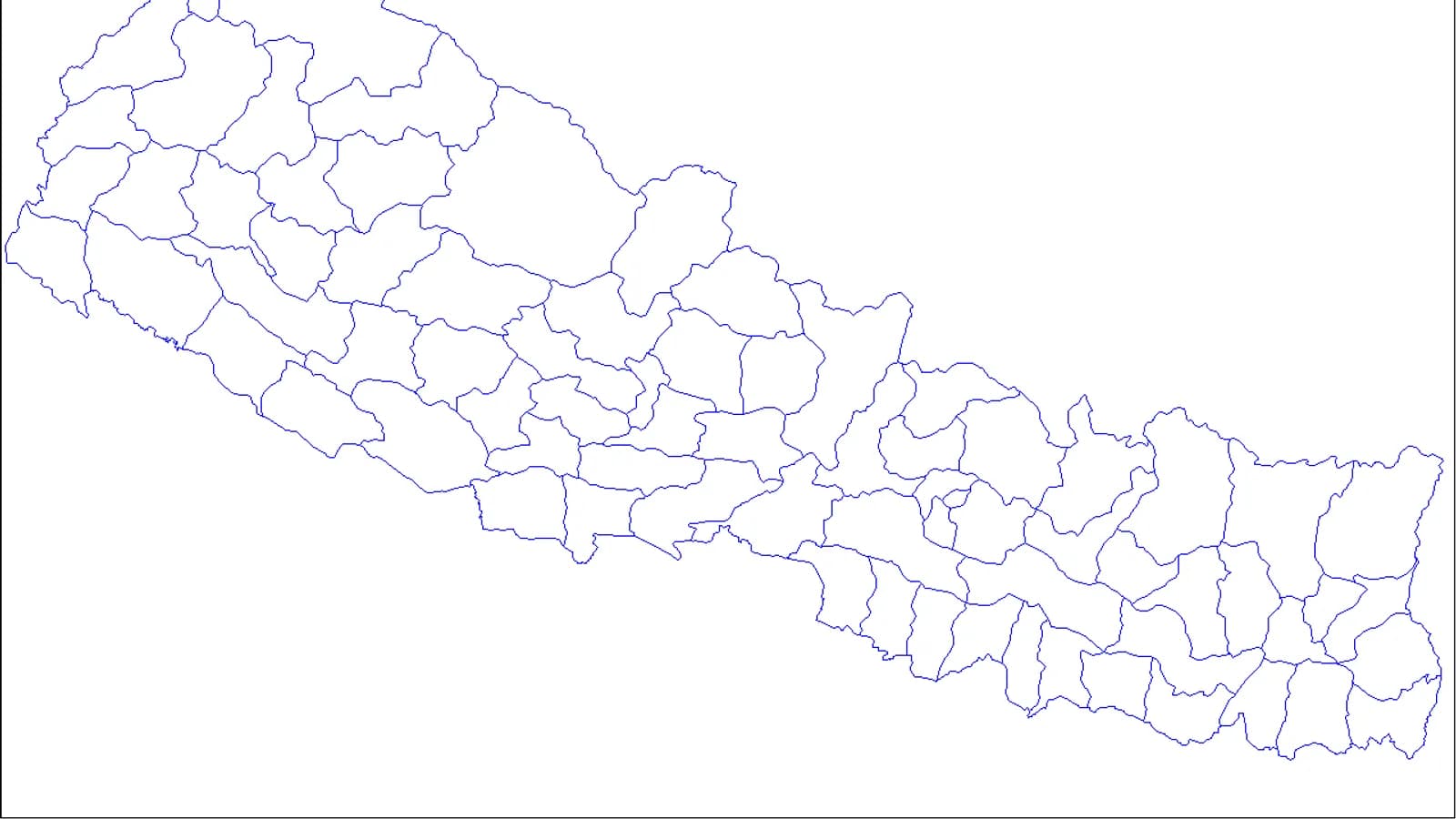
Nepal runs on UTC+5:45 — five hours and forty-five minutes ahead of the world's reference clock, and a 45-minute offset used by no other country on Earth. That quarter-hour tail is charming, but it also makes mental maths slightly awkward when you are trying to book a flight, schedule a call home, or work out whether your family is awake. This guide is the practical companion to the offset: how to convert Nepal time to the places you are likely calling, the one trick that makes it easy, and the day-to-day details worth knowing. If you want the backstory of why the clock is so unusual, see our main Nepal time zone guide and the story behind the 45-minute offset.
Key takeaways
- Nepal is UTC+5:45 year-round, with no daylight saving — the offset never changes.
- The easy conversion trick: round Nepal to UTC+6, convert, then subtract 15 minutes.
- Nepal is roughly 9 hours 45 minutes ahead of US Eastern and 5 hours 45 minutes ahead of the UK in winter.
- Because Nepal never shifts, the gap to home moves only when your country changes its clocks.
- Set devices to Asia/Kathmandu so flights, alarms and invites land on the right minute.
The one trick that makes UTC+5:45 easy
The 45 minutes is what trips people up. Whole-hour conversions are easy; quarter-hour ones feel fiddly. So use this shortcut:
- Pretend Nepal is UTC+6 (a round number).
- Do the simple whole-hour conversion in your head.
- Subtract 15 minutes from the answer.
That is it. For example, if it is 6:00 PM in Nepal and you want UK winter time (UTC+0): treat Nepal as +6, subtract 6 hours to get noon, then pull back 15 minutes for 11:45 AM in London. The same logic works in reverse — convert as if Nepal were +6, then nudge forward 15 minutes when going from home to Nepal. Once you have done it twice, it becomes automatic.
Nepal time versus the world: a quick reference
The table below shows the typical gap between Nepal and major regions. The figures move when the other country switches to summer time, because Nepal itself never does — so always confirm the exact offset the week of an important call.
| Region | Winter gap (their standard time) | Summer gap (their daylight time) | |---|---|---| | UK (London) | Nepal +5:45 ahead | Nepal +4:45 ahead | | Central Europe | Nepal +4:45 ahead | Nepal +3:45 ahead | | US Eastern (New York) | Nepal +10:45 ahead | Nepal +9:45 ahead | | US Pacific (Los Angeles) | Nepal +13:45 ahead | Nepal +12:45 ahead | | India (IST) | Nepal +0:15 ahead | Nepal +0:15 ahead | | Australia Eastern (Sydney) | Nepal −4:15 behind | Nepal −5:15 behind |
A few things stand out. The gap to India is a flat 15 minutes all year, since neither country uses daylight saving — handy if you are crossing the open border overland. And Australia is one of the few places that is ahead of Nepal, so when you are calling Sydney you are reaching into the next part of the day, not the same one.
Working out good calling windows
Because Nepal is so far ahead of the Americas and Europe, the trick is finding hours that are civilised on both ends. A rough guide:
- Calling the UK or Europe: Nepal evening lines up with their midday to afternoon. A 6:00 PM call in Kathmandu is comfortable lunchtime in London. Mornings in Nepal are the small hours in Europe — avoid them.
- Calling US East Coast: Nepal morning (say 8:00 AM) is the previous evening in New York (around 10:15 PM in summer). It works, but it is late for them; a Nepal early-morning call is better still.
- Calling US West Coast: the window is narrow. Nepal early morning catches the US previous afternoon, which is usually the most workable overlap.
- Calling Australia: easy, because the clocks are close. Nepal afternoon is the Australian evening.
When in doubt, set your phone to Asia/Kathmandu and add the other city's clock as a second time zone so you can see both at a glance, rather than recalculating each time.
Booking flights and the 45-minute gotcha
Flight booking is where the offset can quietly bite. International itineraries always list local times, so a departure shown as "10:00" leaves Kathmandu on that odd quarter-hour relative to the rest of the world. Two habits keep you out of trouble:
- Trust the airline's local times, not your own conversion. Tickets are always in local time at each airport; do not "correct" them.
- Mind tight domestic connections. Mountain flights run on a snug schedule, and the +5:45 quirk has no bearing on them inside Nepal — but it matters when you are connecting from an international arrival. Our guide to domestic flights in Nepal covers how those connections work.
If you are still sketching out the trip, our Nepal itinerary for 7 days shows how the days tend to fall once you are on the ground.
Why the gap to home keeps shifting
A common source of confusion: a friend swears Nepal is "9 hours 45 ahead," then a few months later it seems to be "10 hours 45." Both can be right. Nepal never changes its clocks, but most Western countries do, springing forward in their summer and falling back in their winter. So every time your home country shifts for daylight saving, the gap to Nepal moves by an hour — even though nothing changed in Kathmandu.
The takeaway is simple: do not memorise a single number. Memorise the method (round to +6, then subtract a quarter) and check your home country's current clock when timing matters. That way you are never caught out by a daylight-saving switch you forgot was coming.
The bottom line for travellers
UTC+5:45 sounds intimidating and turns out to be trivial once you have the trick. Round Nepal to +6, convert, subtract 15 minutes — and let Asia/Kathmandu on your phone handle the rest. The offset is a small, charming reminder that you have arrived somewhere that keeps time its own way, and after a day or two you will stop noticing the maths entirely. For everything else about getting oriented in the country, our overview of Nepal is the place to start.
Sources
Frequently asked questions
- What is UTC+5:45 in simple terms?
- UTC+5:45 means Nepal runs 5 hours and 45 minutes ahead of Coordinated Universal Time, the global reference clock. So when it is noon UTC, it is a quarter to six in the evening in Kathmandu, every day of the year.
- How do I convert Nepal time quickly?
- Use the round-then-adjust trick. Treat Nepal as if it were UTC+6, do the easy whole-hour conversion in your head, then pull the result back by 15 minutes. That gets you the correct UTC+5:45 answer without fiddly minute maths.
- What is the time difference between Nepal and the US?
- Nepal is roughly 9 hours 45 minutes ahead of US Eastern Time in summer and 10 hours 45 minutes ahead in winter. For US Pacific Time add about three more hours, so the gap runs from roughly 12 to 13 hours depending on the season.
- What is the time difference between Nepal and the UK?
- Nepal is 5 hours 45 minutes ahead of the UK in winter and 4 hours 45 minutes ahead in summer, when Britain shifts to British Summer Time. Because Nepal never changes its clocks, the gap moves only when the UK does.
- Does Nepal change its clocks for daylight saving?
- No. Nepal keeps UTC+5:45 all year with no daylight saving, so the offset itself never moves. Any change in the gap to your home country happens because that country shifts its clocks, not Nepal.
- What time zone should I set my phone to for Nepal?
- Set your device to Asia/Kathmandu, the official zone name in the database phones and laptops use. That applies the correct UTC+5:45 offset automatically, so alarms, flight times and calendar invites all land at the right minute.
Related posts
Nepal Time Zone: Why Nepal Is UTC+5:45 (the 45-Min Quirk)
Nepal's time zone is UTC+5:45 — one of only a few in the world with a 45-minute offset. Here is why Nepal runs 15 minutes ahead of India, explained.
Read postBackpacker Nepal: A First-Trip Guide for 2026
A backpacker Nepal guide for first-timers — when to go, where to base, getting around, route ideas, money, safety and the trekking-guide rule.
Read postDaily Budget Nepal: Set a Number That Sticks
A daily budget for Nepal you can actually hold to — sample day sheets by traveller type and location, plus cash habits that keep spending on track.
Read post