Kathmandu Weather: Month-by-Month Climate Guide
Kathmandu weather explained month by month — average temperatures, rainfall, the best time to visit the valley and what to pack for each season.
Kathmandu never gets truly hot and only rarely sees snow — its weather is mild by mountain standards, but the calendar still decides everything from clear skies to soaking afternoons.
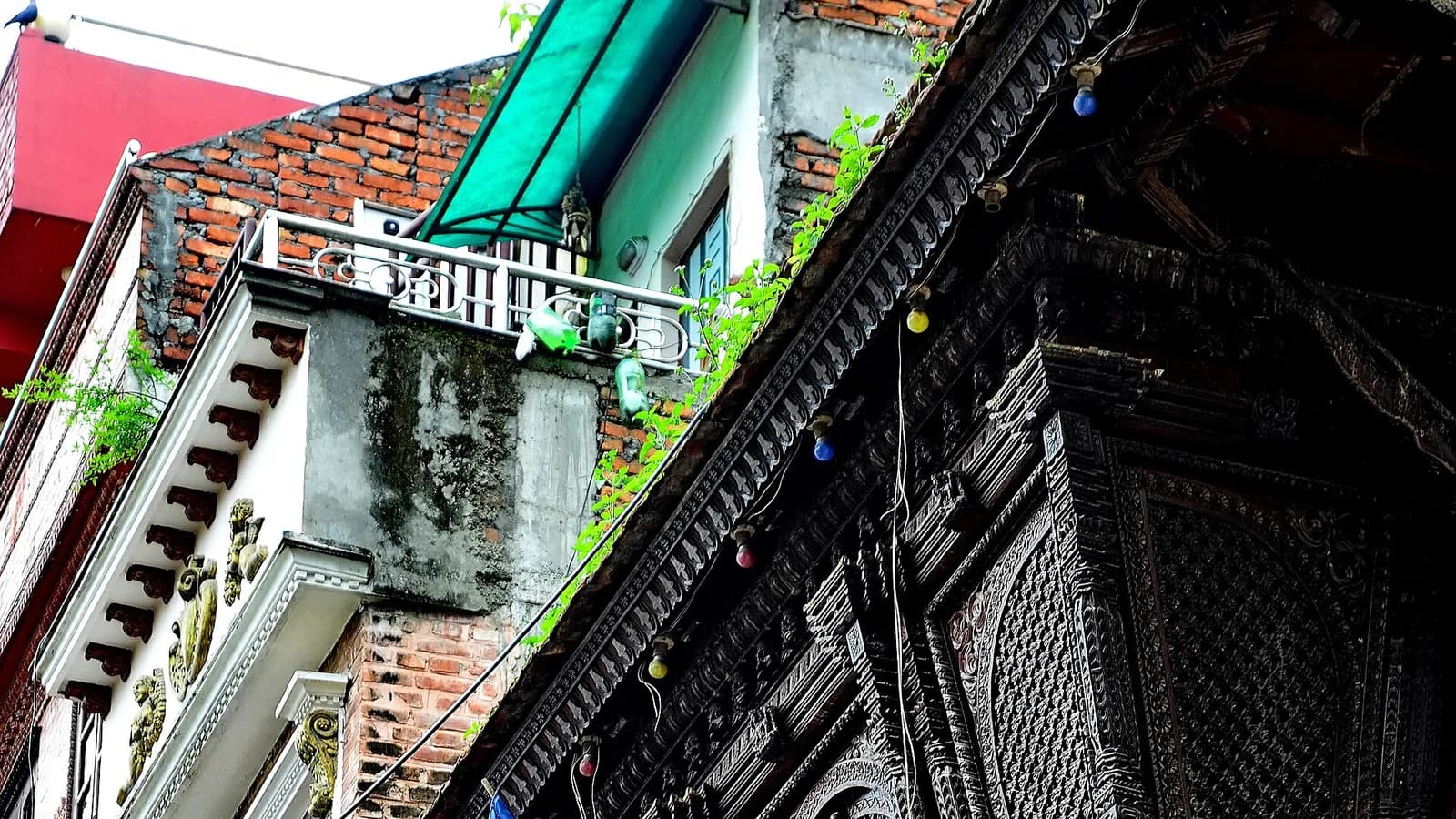
Kathmandu weather is far milder than most first-time visitors expect from a city ringed by the Himalaya. Sitting in a bowl-shaped valley at about 1,400 metres, the capital never gets truly hot and almost never sees snow — but the month you arrive still shapes everything, from how clearly you can see the mountains to whether your afternoon plans get washed out. This guide walks through Kathmandu's climate month by month, with a temperature and rainfall table, the best windows to visit and what to pack. For the wider national picture across the lowlands and high mountains, pair it with our Nepal weather by month guide.
Key takeaways
- Kathmandu has four seasons: spring (Mar–May), monsoon (Jun–Sep), autumn (Oct–Nov) and winter (Dec–Feb).
- Autumn (October–November) and spring (March–April) are the best windows — clear skies, sharp mountain views and comfortable days.
- The monsoon (June–September) delivers most of the year's rain; July is the wettest month, with over 700 mm in some records.
- Daytime highs stay mild and stable (roughly 18–29 °C all year), but winter nights drop to around 2–5 °C.
- Snow in the city is extremely rare, though the surrounding hills and high trekking routes get it from late autumn to early spring.
- Whatever the month, pack in layers — the gap between day and night is large.
Kathmandu weather month by month
Kathmandu's altitude keeps daytime temperatures gentle and remarkably consistent — the difference between the coldest and warmest month's highs is only about 10 °C. The table below shows approximate long-term averages for daytime highs, overnight lows and monthly rainfall. Treat these as typical figures (as of June 2026); any individual year varies.
| Month | Avg high (°C) | Avg low (°C) | Rainfall (mm) | |---|---|---|---| | January | 18 | 2 | 16 | | February | 20 | 4 | 24 | | March | 24 | 7 | 39 | | April | 27 | 11 | 75 | | May | 29 | 16 | 158 | | June | 29 | 19 | 340 | | July | 28 | 20 | 370 | | August | 28 | 20 | 350 | | September | 28 | 18 | 200 | | October | 26 | 13 | 78 | | November | 22 | 7 | 10 | | December | 19 | 3 | 18 |
Approximate long-term averages for Kathmandu (as of June 2026). Note how cold the nights run compared with the daytime highs.
Two patterns stand out. First, the rain is heavily concentrated in June through September, with the wettest month topping 700 mm in some long-term records. Second, the table hides how cold winter nights become — there is little heating in Kathmandu, so a 19 °C December day still ends in a 3 °C night.
Spring (March to May)
One of the two best times to be in the valley. March and April bring warming, comfortable days and still-clear morning skies, with rhododendrons flowering on the surrounding hills. The trade-off is that haze builds in the pre-monsoon air as spring goes on, and afternoon thunderstorms become more frequent from late April into May. By May the days are at their warmest, around 29 °C, and the first heavy pre-monsoon downpours arrive. It is a fine time for sightseeing around the valley and a good launchpad for high-altitude trekking.
Monsoon (June to September)
Kathmandu's wet season, when the valley receives the bulk of its annual rain. The rain typically comes in heavy afternoon and evening bursts rather than constant all-day drizzle, so mornings are often usable. The upside is a brilliantly green, freshly washed valley and far fewer tourists; the downsides are real, with the surrounding mountains usually lost behind cloud, occasional flight delays, and muddy, slippery streets. If your trip is mainly cultural sightseeing around the valley's temples and squares, the monsoon is workable with a flexible schedule and a rain shell. Our monsoon season in Nepal guide covers how to travel well in these months.
Autumn (October to November)
For most visitors, the finest time of year in Kathmandu. The departing monsoon scrubs the air clean, leaving crisp skies and the sharpest mountain visibility of the year, with comfortable daytime temperatures and cool, pleasant nights. This is peak tourist and trekking season, so the city, its hotels and the popular sights are busy — book ahead. Autumn also overlaps Nepal's two biggest festivals, Dashain and Tihar, when the valley is at its most colourful. If you can only come once, this is the window to aim for.
Winter (December to February)
Clear, dry and quiet, but cold once the sun goes down. Kathmandu's winter days are mild and frequently sunny, while nights drop close to freezing and morning fog is common in the valley, which can occasionally disrupt early flights. There is no snow in the city itself in any normal year, though the hills around the rim and the higher trekking routes get it. Winter is an underrated time to visit: the sights are uncrowded, the light is beautiful, and on clear days the mountain panorama is superb. Just bring proper warm layers for the evenings, because indoor heating is scarce. For a deeper look at the cold months, see our Nepal weather in December guide.
Air quality through the year
Beyond temperature and rain, Kathmandu's air quality swings noticeably with the seasons, and it is worth factoring into when you visit. The valley's bowl shape traps pollution, which tends to be worst in the dry winter and pre-monsoon months when there is little rain to clear the air; the monsoon and the immediately post-monsoon weeks are usually the cleanest. If air quality matters to your plans or health, read our guides on Kathmandu air quality and the best month for clean air in Nepal before you book.
When to visit, by what you want to do
The best month depends on your priorities:
- Mountain views from the valley rim (Nagarkot, Chandragiri): October to December gives the cleanest air and the best chance of a sharp Himalayan skyline.
- Comfortable sightseeing around the durbar squares and stupas: October–November or March–April for warm days and dry weather.
- Fewest crowds and lower prices: the monsoon and deep winter, with the trade-offs noted above.
- Using Kathmandu as a trekking base: line up your trip with the trekking seasons of late September–November or March–April — see our best season to trek in Nepal guide.
For a fuller orientation to the city itself, our Kathmandu first-timer's guide covers getting around, where to stay and a first-48-hours plan to match whatever season you land in.
What to pack
Because Kathmandu's day-to-night temperature swing is large, layering is the universal answer:
- Autumn and spring: light clothing for warm days plus a fleece or warm layer for cool evenings.
- Winter: add a proper insulated jacket, hat and gloves for the near-freezing nights.
- Monsoon: a good rain shell, quick-dry clothing and footwear with grip.
If Kathmandu is the start of a longer trip into the mountains, treat warm and waterproof gear as essential regardless of the month, because mountain weather ignores the valley's mild calendar.
Sources
Frequently asked questions
- What is the best time to visit Kathmandu?
- October and November are the standout months: the monsoon has cleared, the air is crisp, mountain views are sharp and daytime temperatures are comfortable. March and April are nearly as good, with warming days and clear early-season skies. These are also Kathmandu's busiest tourist months, so book accommodation ahead.
- How cold does Kathmandu get in winter?
- Kathmandu sits at about 1,400 metres, so winter days stay mild at around 18 to 19 degrees Celsius, but nights are cold, dropping to roughly 2 to 5 degrees in December and January. There is little central heating, so evenings feel colder indoors than the numbers suggest. Mornings often bring fog in the valley.
- Does it snow in Kathmandu?
- Snow in Kathmandu city itself is extremely rare. Winter there means cold nights, occasional morning fog and chilly mornings rather than snowfall. Snow does fall on the surrounding hills and is normal on the higher trekking routes above roughly 2,500 to 3,000 metres from late autumn into early spring.
- When is the monsoon in Kathmandu?
- The monsoon runs roughly from June to September, peaking in July and August when the city can receive over 700 millimetres of rain in its wettest month. Rain usually falls in heavy afternoon and evening bursts rather than all day, and clouds frequently hide the surrounding mountains during these months.
- What is the hottest month in Kathmandu?
- Kathmandu's warmest months are roughly May and June, just before and at the start of the monsoon, with daytime highs around 29 degrees Celsius. Because of its altitude the valley never becomes truly hot the way the Terai lowlands do, where temperatures can top 40 degrees in the same season.
- What should I pack for Kathmandu's weather?
- Pack in layers because days and nights differ sharply. For autumn and spring bring light clothing for the day and a warm layer for evenings. For winter add a proper jacket, hat and gloves for cold nights. For the monsoon bring a rain shell and quick-dry clothing. If you are heading higher into the mountains afterwards, warm and waterproof gear is essential whatever the month.
Related posts
Nepal Temperature Guide: By Region and Season
Nepal temperature explained by region and season — how the hot Terai, mild hills and freezing high mountains differ, with a quick reference table.
Read postNepal Weather by Month — A Tourist's Climate Calendar
Month-by-month weather for Nepal with a Kathmandu temperature and rainfall table, plus how the lowlands, hills and mountains differ through the year.
Read postAccessible Travel Nepal: Wheelchair & Disability Guide
Accessible travel in Nepal for wheelchair users and travellers with disabilities: what works, what's hard, specialist operators and how to plan a trip.
Read post