Kathmandu: A First-Timer's Guide to Nepal's Capital
A practical Kathmandu guide for first-time visitors: how the city is laid out, getting in and around, when to go, safety and a first-48-hours plan.
Kathmandu is where almost every Nepal trip begins — a noisy, sacred, intensely alive valley city you land in before the mountains.
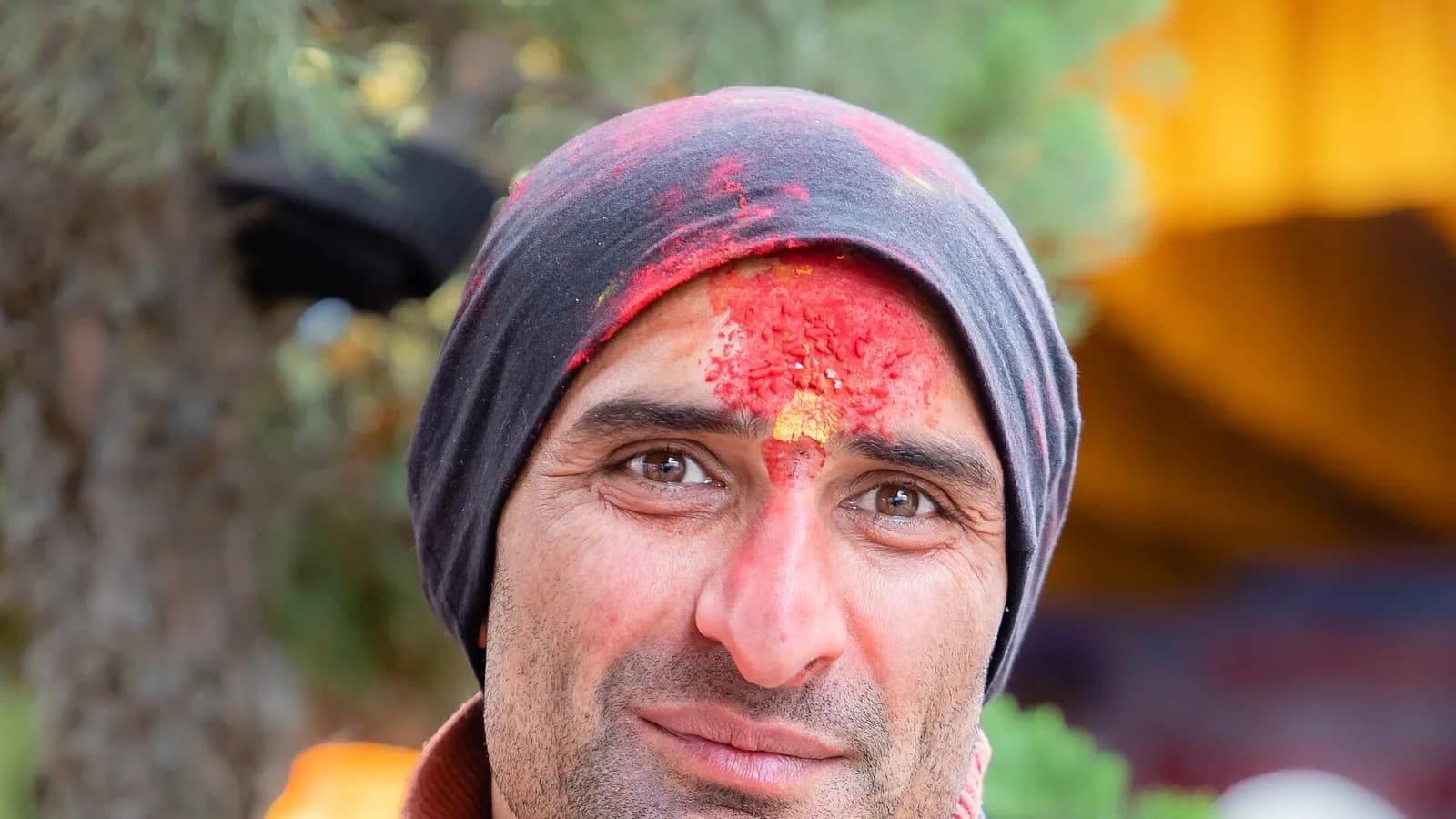
Kathmandu is where nearly every trip to Nepal begins. It is the country's capital and largest city, spread across a green bowl of land — the Kathmandu Valley — high in the central hills and ringed by Himalayan foothills. It is loud, crowded, deeply sacred and unlike anywhere most visitors have been: temple roofs and prayer flags above tangled lanes, motorbikes weaving past shrines that are still in daily use. This guide is the orientation a first-timer actually needs — how the city fits together, how to arrive and move around, when to come, and how to spend a first day or two — with links to our deeper guides on each piece.
Key takeaways
- Kathmandu is Nepal's capital and main international gateway; almost all trekkers and tourists pass through it. For quick stats, see our Nepal's capital quick facts guide.
- Most visitors base in Thamel, a compact tourist hub of hotels, gear shops and restaurants, walkable to the old city and Durbar Square.
- The valley holds seven UNESCO-listed monument zones, including three medieval royal cities: Kathmandu, Patan and Bhaktapur.
- Plan two to three days for a first visit, and add a buffer day if a mountain flight follows.
- Autumn (October–November) has the clearest skies; the dry winter and spring can bring poor air quality in the valley.
- A visa on arrival is available to most nationalities at the airport, in 15-, 30- and 90-day options.
What and where Kathmandu actually is
Kathmandu sits at roughly 1,400 metres (about 4,600 feet) above sea level — a modest elevation that gives the city a mild climate, even though far higher hills and peaks surround it. That low altitude matters for trekkers: the city itself poses no altitude-sickness risk, but it is the launchpad for routes that climb to thousands of metres. If you are heading high afterwards, our altitude sickness guide is worth reading before you go.
The name comes from Kasthamandap, a large wooden pavilion that once stood in the old royal square; in Sanskrit kastha means wood and mandap a covered pavilion. The city has been a wealthy trade and cultural centre for centuries and became the capital of unified Nepal after Prithvi Narayan Shah conquered the valley in the late 1760s.
The valley and its three cities
Newcomers often picture Kathmandu as one city, but the Kathmandu Valley actually contains three historic royal cities, each once an independent kingdom with its own palace square:
| City | Also called | Known for | | --- | --- | --- | | Kathmandu | — | Kathmandu Durbar Square, Thamel, Swayambhunath | | Patan | Lalitpur | Patan Durbar Square, metalwork and crafts | | Bhaktapur | Bhadgaon | Best-preserved medieval square, pottery |
All three sit within a short drive of each other, which is why a Kathmandu visit so easily expands into a valley tour. Our guides to Patan (Lalitpur) and a Bhaktapur day trip cover the two sister cities in detail.
Getting in and getting around
Arriving at the airport
Nepal has a single international gateway, Tribhuvan International Airport (TIA), on the eastern edge of the city. It sits only about six kilometres from Thamel, so the ride into the centre is short in distance, though traffic can stretch it to forty minutes. A prepaid taxi desk inside the terminal, a metered taxi, a ride-hailing app or a hotel pickup are all normal ways in. For the details — fares, where to find taxis, and avoiding overcharging — see airport to Thamel.
Most travellers can get a visa on arrival at TIA. As of June 2026, Nepal's Department of Immigration lists tourist visa fees of USD 30 for 15 days, USD 50 for 30 days and USD 125 for 90 days, payable in major foreign currencies (US dollars in cash are easiest). Children under ten are generally exempt from the fee, and SAARC nationals receive a free 30-day visa once per calendar year; a handful of nationalities are not eligible for visa on arrival and must apply in advance. Always reconfirm the current rules for your passport before flying — our visa on arrival guide tracks the latest.
Moving around the city
Kathmandu's old core is best on foot — that is where the atmosphere lives. For longer hops, taxis and ride-hailing apps are the standard tourist choice, since the local bus network is hard to use without Nepali. Traffic is dense and the air can be dusty, so many visitors keep a buff or light mask handy. Our getting around Kathmandu guide breaks down taxis, apps, walking and day-trip transport.
Where to stay
Your base shapes the trip. The most common choice is Thamel, the central tourist district where most hotels, hostels, trekking outfitters and tourist restaurants cluster within walking distance of Durbar Square. It is convenient and lively, though it can be noisy. Quieter alternatives include leafy Lazimpat, the area around the great stupa at Boudha, and Patan across the Bagmati for a more local, craft-focused feel.
For a full breakdown by traveller type and budget, see where to stay in Kathmandu, and budget travellers can compare options in our Kathmandu hostels guide.
What to see: the headline sights
The valley packs in an extraordinary density of living heritage. Most first visits revolve around four headline UNESCO monuments, all still in active religious use:
- Kathmandu Durbar Square — the old royal palace square, home to Hanuman Dhoka Palace, the Taleju Temple and the Kumari Ghar, residence of the living goddess. See our Kathmandu Durbar Square guide.
- Swayambhunath — the hilltop "monkey temple" stupa with a sweeping valley panorama.
- Boudhanath — one of the largest stupas in the world, ringed by Tibetan-influenced monasteries and a constant flow of pilgrims.
- Pashupatinath — Nepal's most important Hindu temple complex, on the banks of the sacred Bagmati.
Entry fees are charged separately at each monument and are revised periodically, so always reconfirm on arrival. As a rough guide, fees for foreign visitors at the major sites have generally sat in the low hundreds to around NPR 1,000 per site in recent years, with Bhaktapur's Durbar Square notably higher. For a sights-first plan of how to string these together, see Kathmandu sightseeing; for the wider menu of experiences, see things to do in Kathmandu.
Beyond the monuments
Kathmandu is not only temples. The old city's lanes reward slow wandering, and the food scene — from Newari feasts to momos and street snacks — is a highlight in its own right. Our guides to Newari food in Kathmandu and street food in Kathmandu are good starting points, and a hands-on cooking class is a popular rainy-day option.
When to visit
Kathmandu has clear seasonal trade-offs, and the deciding factors are usually weather and air quality rather than crowds.
| Season | Months | What to expect | | --- | --- | --- | | Autumn | Oct–Nov | Clearest skies after the monsoon, mild temperatures; peak season | | Winter | Dec–Feb | Cold mornings, often clear days; air quality can be poor in the dry spell | | Spring | Mar–May | Warm and pleasant, but haze and pollution can build | | Monsoon | Jun–Sep | Green and lush; rain clears the air briefly but hides the hills |
Autumn is the classic window: the monsoon scrubs the air clean and skies turn crystal clear, with daytime temperatures often in the comfortable mid-teens to mid-twenties Celsius. For a month-by-month view, see Nepal weather by month and best time to visit Nepal.
A note on air quality
Kathmandu's bowl-shaped valley can trap pollution, especially during the dry winter and pre-monsoon months when traffic, dust and seasonal fires combine and there is little wind to clear them. The air is usually at its cleanest right after monsoon rains. The city has been expanding its air-quality monitoring, and sensitive travellers can check a live index and carry a mask on bad days. Our dedicated Kathmandu air quality guide explains the seasons and what to do about them.
Is Kathmandu safe?
Kathmandu is generally regarded as safe for visitors. Violent crime against tourists is uncommon; the realistic concerns are petty theft in crowds, chaotic traffic, and occasional tourist-targeted scams. Normal city sense — watching your bag, agreeing fares or using a meter, and being wary of unsolicited "guides" — handles most of it. Our Kathmandu safety and Nepal tourist scams guides go deeper.
One thing to keep an eye on is political demonstrations, which occasionally close roads or affect the city centre. These are usually announced and easy to avoid, but it is wise to check your government's current travel advice before and during your trip.
A practical first 48 hours
If you only have a couple of days before heading onward, here is a sane way to use them:
- Day 1 — find your feet. Recover from the flight, change money, sort a local SIM or eSIM (see our SIM card guide), and explore Thamel and the lanes down to Kathmandu Durbar Square on foot.
- Day 2 — the big sights. Combine Swayambhunath, Boudhanath and Pashupatinath by taxi, ideally morning to early afternoon, ending with an evening at Boudha as the lamps come on.
- Add a half-day or Day 3 for a trip to Patan or Bhaktapur, or a sunrise run up to the valley rim at Nagarkot on a clear day.
Trekkers should also build in a buffer day around mountain flights, which are weather-dependent and can be delayed. Treat Kathmandu as both your arrival cushion and your decompression stop on the way home.
Sources
- Nepal Tourism Board / Tourism Info Nepal — Nepal foreign tourist arrivals 2024
- The Himalayan Times — More than 1.1 million foreign visitors arrived in Nepal in 2025
- Department of Immigration, Nepal — Visa on Arrival
- Tribhuvan International Airport Immigration — Frequently Asked Questions
- U.S. Department of State — Nepal Travel Advisory
- IQAir — Kathmandu Air Quality Index (AQI)
- Clarity — Kathmandu's first citywide air-quality monitoring network
Frequently asked questions
- What is Kathmandu best known for?
- Kathmandu is Nepal's capital and largest city, famous for one of Asia's densest clusters of living heritage — UNESCO-listed temples, stupas and royal squares — and for being the main gateway for trekking and mountain travel in the country.
- How many days should I spend in Kathmandu?
- Two to three days is a comfortable amount for most first-timers: roughly one day for the headline UNESCO sites, plus time for the old city on foot and a day trip to Patan or Bhaktapur. Many trekkers add a buffer day before or after the mountains for flight delays.
- Where should I stay in Kathmandu as a tourist?
- Most visitors base themselves in Thamel, the central tourist hub packed with hotels, trekking shops and restaurants. Quieter alternatives include Lazimpat, Boudha near the great stupa, and Patan across the river for a more local, artsy feel.
- How do I get from the airport into the city?
- Tribhuvan International Airport sits only about six kilometres from Thamel. A prepaid taxi desk inside the terminal, a metered taxi, a ride-hailing app or a hotel pickup are all common options, and the ride typically takes twenty to forty minutes depending on traffic.
- Is Kathmandu safe for tourists?
- Kathmandu is generally considered safe for visitors, with violent crime against tourists uncommon, though petty theft, traffic and occasional scams call for normal city caution. Check your government's current travel advice before you travel, especially around any periods of political demonstrations.
- What is the best time of year to visit Kathmandu?
- Autumn, roughly October to November, brings the clearest skies after the monsoon and is the most popular window, followed by spring around March to May. Winter mornings are cold but clear, while the dry winter and pre-monsoon months can see the valley's worst air quality.
- Do I need a visa to visit Kathmandu?
- Most nationalities can get a visa on arrival at the airport, with tourist visas commonly issued for 15, 30 or 90 days. A small number of nationalities must apply at a Nepalese mission in advance, so always confirm your own situation before flying.
- Is the air quality in Kathmandu a problem?
- It can be, especially in the dry winter and spring when the valley's bowl-shaped geography traps pollution. Air is usually cleanest just after monsoon rains, and sensitive travellers may want to check a live air-quality index and carry a mask on bad days.
Related posts
Balen Shah: A Traveler's Guide to Nepal's Mayor-PM
Who is Balen Shah? A neutral, fact-checked profile of the rapper-turned-engineer who led Kathmandu and became Nepal's prime minister, for curious visitors.
Read postKP Sharma Oli: A Traveler's Guide to the Nepali Leader
Who is KP Sharma Oli? A neutral, fact-checked profile of the Nepali politician and four-time prime minister, with context for visitors to Nepal.
Read postSushila Karki: A Factual Profile of Nepal's Jurist-Leader
Who is Sushila Karki? A neutral, fact-checked profile of Nepal's first female Chief Justice who became interim prime minister in September 2025.
Read post