Vaccinations for Nepal: Timing, Costs and Where to Go
A planning-focused guide to vaccinations for Nepal — when to start, what to do if you are late, and where to get jabs at home or in Kathmandu.
The vaccine you forget at home is the one that is hardest to find on the trail.
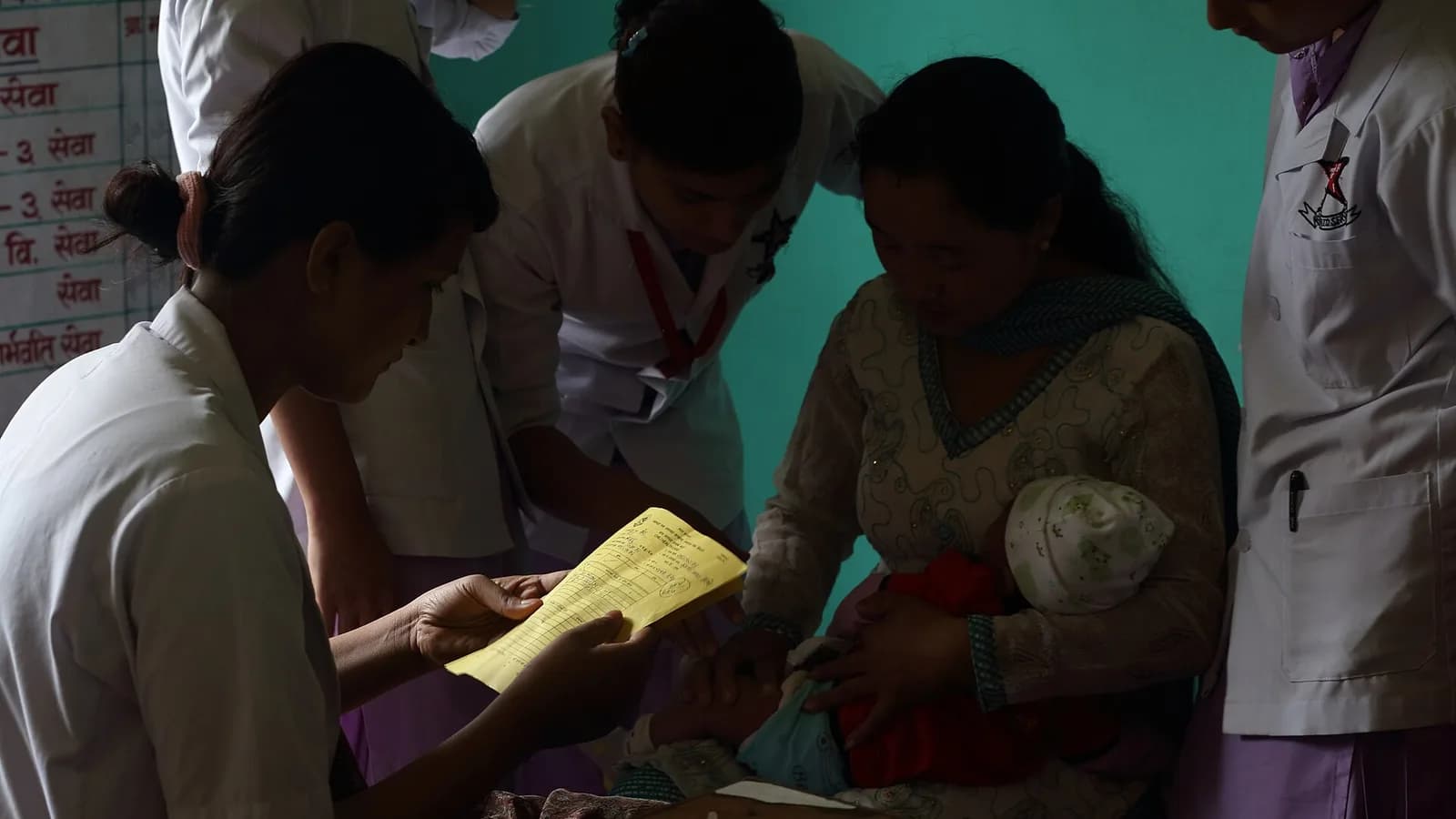
Sorting out vaccinations for Nepal is less about a mysterious checklist and more about timing and logistics. The shots themselves are well established and widely available — the part travellers get wrong is leaving the appointment too late, or assuming they can sort everything out on arrival. This guide is the planning companion to our full Vaccinations for Nepal 2026 breakdown, which lists exactly which jabs are required, recommended and trekker-specific. Here we focus on the practical questions: when to start, what to do if you have run out of runway, how much it tends to cost, and where to actually get vaccinated at home or in Kathmandu.
Nothing here is medical advice. Vaccine choices depend on your health history, route and the season, so treat this as preparation for a conversation with a travel-medicine professional, not a substitute for one.
Key takeaways
- No vaccination is legally required to enter Nepal from most countries; yellow fever is the only exception, and only if you arrive from an endemic area.
- The CDC highlights hepatitis A and typhoid as the two most important pre-travel jabs for Nepal, both spread by contaminated food and water.
- Start the process about four to eight weeks out so multi-dose courses, especially rabies pre-exposure, have time to work.
- Japanese encephalitis risk is concentrated in the southern Terai lowlands and rises during and after the monsoon, roughly June to October.
- Rabies pre-exposure matters disproportionately for trekkers because the post-bite immunoglobulin is scarce across South Asia.
- Kathmandu has reputable travel clinics for top-ups, but your core course is best done at home first.
Required versus recommended: clear the confusion first
The single biggest source of pre-trip anxiety is the difference between required and recommended. For Nepal, the list of legally required vaccines is short to the point of being almost empty. According to the CDC's Nepal traveler page, the yellow fever vaccine is not required for direct travel from the United States. It only becomes mandatory if you have recently been in a country with yellow fever transmission, mainly parts of sub-Saharan Africa and tropical South America, in which case a certificate may be checked at the border.
Everything else falls under recommended. That word does a lot of work: these are the vaccines that protect you from diseases that are genuinely present in Nepal but largely absent from high-income home countries. "Not required" is a customs rule, not a health verdict. Our Nepal travel advisory overview puts this in the wider context of staying healthy and safe on the ground.
The timing calendar: why four to eight weeks matters
Most travel vaccines are not single magic shots that work the instant you get them. Several need either multiple doses or a couple of weeks to build immunity, which is why travel-medicine services generally suggest booking a consultation around four to eight weeks before departure.
Here is roughly how the main courses behave. Exact schedules vary by product and country, so confirm yours with the clinic.
| Vaccine | Typical course | Why the timing matters | | --- | --- | --- | | Hepatitis A | 2 doses, months apart | First dose gives good short-term cover; the second extends it for years | | Typhoid | Single injection or oral series | Protection builds over roughly a week or two before travel | | Rabies (pre-exposure) | Multi-dose over about a month | The full series needs the most lead time of the common jabs | | MMR (measles) | Check you are up to date | A catch-up dose is worth giving time to take effect | | Japanese encephalitis | 2 doses over several weeks | Only relevant for some routes; still needs a head start |
The rabies pre-exposure course is the usual bottleneck because it is spread across about four weeks. If your trip involves trekking or rural travel and you want that protection, it is the first thing to book.
If you have left it late
Running short on time is common and not a disaster. The key principle: partial protection beats none. A first hepatitis A dose still offers meaningful cover, a typhoid shot a week out is still worthwhile, and clinics can sometimes use accelerated rabies schedules. Get what you reasonably can before you fly, and ask whether any remaining doses can be finished after you return or while you are abroad. The worst outcome is doing nothing because you assumed it was all-or-nothing.
Where to get vaccinated: home versus Kathmandu
You broadly have two options, and the best plan often uses both.
Option 1: a travel clinic at home (recommended core)
Getting your main course in your home country, weeks ahead, is the gold standard. It gives multi-dose vaccines time to work before you reach areas with higher exposure, and it keeps your records in one place. A dedicated travel-medicine clinic will also tailor advice to your exact itinerary, which a generic checklist cannot. Pair the visit with our Nepal trekking packing list so your small medical kit gets sorted at the same time.
Option 2: a Kathmandu travel clinic (backup and top-ups)
If you are already abroad, arrive under-prepared, or want a booster, Kathmandu has well-regarded options. The CIWEC clinic provides internationally recommended vaccines to tourists and residents and is widely described as a leading travel-health resource in the region; it also documents rabies prevention guidance for travellers. This is a genuine safety net. The caveat is simple: a vaccine you receive on arrival has less time to protect you before you head into rural or high-altitude areas, so use Kathmandu as a backup rather than the plan.
The food-and-water vaccines: hepatitis A and typhoid
If you only internalise one thing, make it this: the two jabs travel doctors emphasise most for Nepal both defend against food and water. The CDC Yellow Book states that the risk of typhoid and paratyphoid fever among visitors to Nepal is among the highest in the world, and that hepatitis A and typhoid are the two most important pre-travel immunisations.
There is a sting in the tail for typhoid. The same source notes that resistance to fluoroquinolone antibiotics is high in Nepal, which is part of why azithromycin is generally favoured for treating travellers' diarrhoea there. In plain terms, prevention matters even more when one of the standard treatments has become less reliable. That theme carries over to everyday caution about what you drink — our guide on whether the water is safe to drink in Nepal covers the day-to-day habits that complement the jabs.
Region and season: the Japanese encephalitis question
Japanese encephalitis is the vaccine most shaped by where and when you travel, so it deserves its own decision. The disease is mosquito-borne and has long been a public-health concern in Nepal's Terai, the southern lowland belt bordering India. Research summarised in a 2024 review describes the greatest risk in the Terai region, with transmission considered year-round but peaking during and just after the monsoon, roughly June to October. A separate analysis of a Chitwan-district outbreak underlines that this is not a purely historical concern.
So who should consider it? Travel-health guidance generally points to people spending extended time, often a month or more, in rural lowland areas, and travellers combining a trek with a longer safari stay in places such as Chitwan or Bardia. A brief, dry-season visit to a national park is usually treated as lower risk. Either way, mosquito precautions — repellent with DEET or picaridin, covering up at dusk, and treated bed nets — back up any vaccine decision. If a Terai safari is on your itinerary, our Chitwan National Park safari guide is the natural next read.
Rabies: the trekker's special case
Rabies deserves extra attention not because bites are common, but because the consequences and the logistics are unforgiving. Rabies is endemic in dogs across Nepal. The thing that makes the pre-exposure series so valuable for trekkers is what happens after a bite.
CIWEC, a long-running reference point for rabies advice in the region, explains the practical asymmetry. Someone who has had the pre-exposure series needs only two follow-up shots after an animal exposure and does not need rabies immunoglobulin. Someone who has not been pre-immunised needs that immunoglobulin — which is expensive and not easily available across much of South Asia. On a remote trail, days from a major hospital, "two simple shots" versus "track down scarce immunoglobulin" is a meaningful difference. That is the whole argument for pre-exposure rabies in one sentence.
This is also where insurance earns its place. Pre-exposure vaccination changes the medical response; a good policy handles the evacuation and treatment costs if something still goes wrong. See our Nepal trekking insurance and helicopter evacuation guide for what to look for.
A realistic cost picture
Prices vary widely by country, clinic and whether your public health system or insurer covers travel jabs, so treat numbers as ballpark rather than quotes. As of June 2026, the broad shape in many high-income countries looks like this:
- Hepatitis A and typhoid are relatively affordable and sometimes partly covered.
- Routine boosters such as MMR are usually inexpensive or free where you are due anyway.
- The rabies pre-exposure series is typically the single most expensive item, because it is multi-dose.
- A consultation fee may apply on top, especially at private travel clinics.
The honest framing: the rabies course is where most of the money goes, and it is also the hardest protection to improvise once you are on the trail. For the rest of your budget, our how much does a trip to Nepal cost guide puts health prep in proportion against flights, permits and daily spending.
Beyond vaccines: the rest of your health prep
Vaccinations are one layer. A few non-vaccine basics round out the picture and prevent the most likely problems, which tend to be stomach upsets and altitude rather than exotic diseases.
- A small medical kit. Rehydration salts, pain relief, anti-nausea tablets and a doctor-advised antibiotic for travellers' diarrhoea cover the common cases.
- Safe water habits. A filter, purification tablets or reliably treated water reduce the food-and-water risks the jabs cannot fully eliminate.
- Altitude planning. If you are heading high, read our dedicated altitude sickness guide; it is a far likelier issue for trekkers than any vaccine-preventable disease.
- Your records. Carry a copy of your vaccination history, on paper or your phone, in case a clinic asks.
Get the timing right, prioritise the food-and-water and rabies decisions, and use Kathmandu's clinics as a backup rather than a plan, and the vaccination side of your Nepal trip becomes one of the simplest things to tick off.
Sources
- CDC — Nepal, Traveler View
- CDC Yellow Book — Nepal
- CIWEC Hospital — Immunization Services
- CIWEC Hospital — Rabies Prevention in Nepal
- Japanese encephalitis prevalence and outbreaks in Nepal (PMC, 2024)
- Nepal's Japanese encephalitis outbreak and the need for updated vaccination guidelines (PMC, 2024)
Frequently asked questions
- Are any vaccinations required to enter Nepal?
- No vaccine is required for travellers arriving directly from countries like the US, UK, EU or Australia. The only exception is yellow fever, and that certificate is only needed if you are coming from, or have recently passed through, a country with yellow fever transmission in parts of Africa or South America. Everything else is recommended rather than mandatory.
- How far in advance should I get vaccinated for Nepal?
- Aim to see a travel clinic about four to eight weeks before you fly. That window lets multi-dose courses build protection — rabies pre-exposure runs over roughly a month, and hepatitis A reaches good cover after the first dose. Leaving it later is not pointless, since a single shot still helps, but earlier is always safer.
- What if I leave it too late to start the full course?
- You can still benefit. Most travel vaccines give meaningful protection from the first dose, and a clinic can sometimes use an accelerated schedule for things like rabies. Get whatever you can before departure, then ask your provider whether any remaining doses can be completed after you return or while abroad.
- Which vaccines matter most for a typical Nepal trip?
- Travel-medicine guidance consistently flags hepatitis A and typhoid as the two most important pre-travel jabs for Nepal, because both spread through contaminated food and water. After that, make sure your routine cover is current, including measles via MMR, and discuss rabies with your doctor if you will be trekking or around animals.
- Can I get travel vaccines in Kathmandu instead of at home?
- Yes. Kathmandu has reputable travel-medicine providers such as the CIWEC clinic, which serves tourists and the expat community and stocks internationally recommended vaccines. It is a sensible backup or top-up, but getting your main course at home first is better, since some protection needs weeks to develop before you reach rural areas.
- Do I need the Japanese encephalitis vaccine?
- It depends on your route and season. The risk concentrates in the southern Terai lowlands and rises during and after the monsoon, roughly June to October. Short safari stops are usually considered low risk, but it is worth discussing if you will spend extended time in rural lowland areas or combine a trek with a longer stay in places like Chitwan or Bardia.
- Why do guides say rabies pre-exposure shots matter so much in Nepal?
- Rabies is endemic in Nepalese dogs, and the special injection given to unvaccinated bite victims, rabies immunoglobulin, is scarce and expensive across South Asia. Having the pre-exposure series means that after a bite you only need two follow-up shots and no immunoglobulin, which is a far simpler thing to arrange from a remote trekking village.
- Is the seasonal flu shot worth getting before Nepal?
- For trekkers it is a reasonable addition. Travel-health guidance suggests trekkers be up to date on influenza vaccination, since a respiratory illness at altitude can derail a trip and is harder to shake when your body is already working hard in thin air. Get it in your usual flu season before you travel.
Related posts
Vaccinations for Nepal 2026 — Required, Recommended, and Trekker-Specific
What's actually required (nothing) vs what's recommended by the CDC vs what experienced trekkers add for high-altitude or rural routes.
Read postDo I Need Malaria Tablets for Nepal? An Honest Answer
Do you need malaria tablets for Nepal? For most tourists the answer is no. Here is what the CDC, NaTHNaC and CIWEC actually advise for 2026.
Read postAltitude Sickness Nepal: Plan a Trek That Acclimatizes
How to plan a trek that prevents altitude sickness in Nepal — the ascent-rate numbers, rest-day math, and self-checks that keep you on the trail.
Read post