Sun Koshi Rafting: River of Gold Expedition Guide
Sun Koshi rafting — Nepal's longest river expedition. Grades, the Dolalghat to Chatara route, best season, rapids, camping and how to plan it.
Nine days, white-sand beaches, and a green-gold river carrying you from the Himalayan foothills all the way to the edge of the plains.
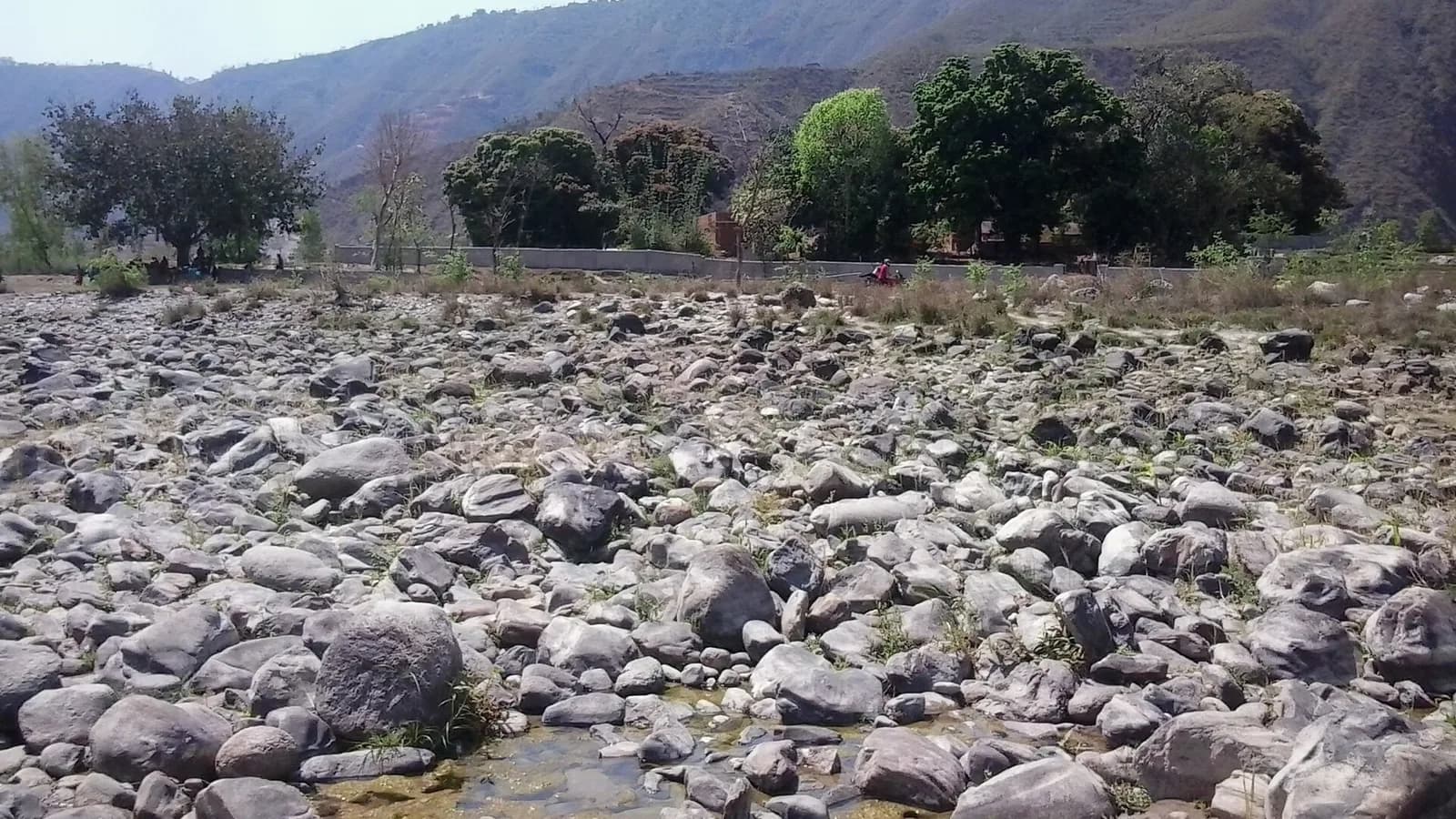
If you only have time for one rafting day near Kathmandu, the Trishuli does the job. But if you want the full Himalayan river experience — days on the water, nights on empty beaches, and a current that carries you from foothill jungle out toward the plains — then Sun Koshi rafting is one of the great multi-day expeditions in the world. The Sun Koshi, whose name means "river of gold", is among the longest rafting rivers in Nepal and has long featured on global lists of bucket-list whitewater trips.
This guide covers what the trip is actually like: the route, the grades, the named rapids, the best season, and how to plan the logistics. River conditions and prices shift from year to year, so treat the details here as a planning starting point and confirm specifics when you book. The sources are linked at the end.
Key takeaways
- The Sun Koshi is a long, big-volume expedition of roughly 260–272 km, usually run over about seven to nine days on the water.
- Rapids range from around class III to V, with Harkapur II the standout challenge — best treated as an intermediate-to-advanced trip.
- You put in at Dolalghat (about three hours east of Kathmandu) and take out at Chatara on the edge of the plains, far to the southeast.
- The best season is post-monsoon (late September to November), with spring as a secondary window; winter water is too low for good rapids.
- Nights are spent camping on river beaches, with the trip passing temples, side valleys and a long transition from hills to lowland Terai.
- Safety hinges on a licensed, well-equipped operator with experienced guides; you always wear a life jacket and helmet.
What makes the Sun Koshi special
The Sun Koshi is not a quick adrenaline hit. It is a journey. Sources describe a total distance in the region of 260 to 272 km, which makes it one of the longest rafting runs on offer anywhere in Nepal and a genuine multi-day expedition rather than a day out. The river drains a huge area of the eastern Himalaya, with its headwaters reaching up toward the Tibetan border, and it carries serious volume — far more water than the day-trip rivers closer to Kathmandu.
That scale is exactly why it has the reputation it does. The Sun Koshi has been highlighted by publications such as National Geographic and listed by Lonely Planet among the top river journeys in the world, in the same conversation as rivers like the Colorado and the Zambezi. What you get is "big-volume, pool-drop" whitewater: long, calmer stretches that let you relax and take in the scenery, punctuated by powerful, well-defined rapids where the whole raft has to work together.
The "River of Gold"
The name itself tells a story. Sun means gold and Koshi (also written Kosi) is the river. The name is traditionally linked both to gold that has been panned from the riverbanks and to the greenish-gold colour the water takes on as it moves sediment down from the mountains. Several Himalayan rivers — including the Tamakoshi, Dudh Koshi, Bhote Koshi, Indrawati, Arun and Tamur — eventually feed into the wider Koshi system, which is one of the major river networks of the region.
The route: Dolalghat to Chatara
A Sun Koshi expedition is a one-way trip across a big chunk of Nepal. You start in the central hills and finish in the southeast, near the Terai lowlands.
| Stage | Location | Notes | | --- | --- | --- | | Put-in | Dolalghat | Around 3 hours by road east of Kathmandu, where the Sun Koshi meets the Indrawati | | Middle days | Foothill canyons and beaches | The bigger rapids, including the Harkapur section, plus side valleys and temples | | Take-out | Chatara (Chatra) | On the edge of the plains, where several rivers converge before flowing on into India |
One thing to plan for: the return logistics. While the put-in is an easy half-day from Kathmandu, the take-out at Chatara is a long way southeast, and the drive back is often described as around 14 to 16 hours. Many travellers break the journey or fly back from a regional airport rather than drive the whole way in one go. Build this into your schedule so the trip does not end with an exhausting overnight bus.
From the hills to the plains
Part of the appeal is watching the landscape change beneath you. The early and middle days run through Himalayan foothill country — terraced hillsides, forest, suspension bridges and the occasional riverside temple. As you move downstream the valley opens out and the river slows and widens, carrying you toward the flat, warm Terai. By the final day you are in a different world from where you started, which is a large part of why the Sun Koshi feels like a true point-to-point expedition.
The rapids
The Sun Koshi is generally graded from class III to class V on the international scale, where I is the gentlest and V the most demanding. Crucially, the difficulty is not constant: the river builds, with long manageable sections between the headline rapids, so it rewards stamina and teamwork rather than throwing everything at you at once.
Operators and river guides reference a long list of named rapids over the course of the trip. Commonly cited ones include:
- Harkapur II — usually considered the crux, a powerful class IV to V rapid that demands respect; depending on conditions and the group, teams may run it or portage around it.
- The Anxiety series (sometimes "Pre-anxiety" and "High-anxiety")
- Meat Grinder, Punch, Judy, Jaws
- Dead Man's Eddy, Rhino Rock and Big Dipper
The names are vivid, but the key practical point is that the grade shifts with water level. The same rapid can be a straightforward read-and-run in moderate flows and a serious, consequential drop in high water. This is exactly why the season you choose, and the judgement of your guides, matter so much.
When to go
Timing makes or breaks a Sun Koshi trip, because the river's character depends heavily on how much water it is carrying.
| Season | Months | What to expect | | --- | --- | --- | | Post-monsoon | Late Sep – Nov | Prime time: high water, powerful rapids, warm and settled weather | | Winter | Dec – Feb | Low water; the river loses much of its volume and the big rapids fade | | Spring | Mar – early May | A solid secondary window with good conditions | | Monsoon | Jun – early Sep | High, fast, muddy water; generally unsuitable and dangerous |
The consensus across operators and guides is that autumn, from roughly late September into November, is the sweet spot — water levels are at their best and the post-monsoon air gives clear, warm days. Spring is the next best bet. Deep winter is a disappointment for whitewater because the flow drops and the rapids lose their punch. The monsoon, with its high and silty water, is not the time to be on a big-volume river like this. One caution: the very earliest part of the post-monsoon season can run dangerously high, so this is another reason to go with experienced operators who know how to read the conditions.
Life on the river: camping and scenery
Because the Sun Koshi runs for the best part of a week or more, the camps are a big part of the experience. The river has numerous sandy beaches that serve as wild campsites, and a typical day settles into a satisfying rhythm: paddle through the morning, stop for lunch, tackle the day's rapids, then pull in to a beach in the afternoon to set up tents, swim, and eat together as the light fades. There are no teahouses or villages laid on for tourists out here — it is genuine self-supported camping, and that remoteness is much of the charm.
Along the way the river passes temples and pilgrimage spots on its banks, side streams and waterfalls, and the slow shift from green foothills to open lowland. It is as much a scenic and cultural journey as a whitewater one, which is part of why it suits people who want more than a single hit of rapids. If you enjoy this style of trip, it pairs naturally with other immersive Nepal experiences — a few days in a Nepal homestay or some time exploring Nepal off the beaten path.
Safety and choosing an operator
A multi-day expedition in a remote river canyon is a serious undertaking, so the operator you choose is the single most important decision you make. Look for an established company that runs the Sun Koshi regularly and can show a real safety record.
A few things worth checking and doing:
- Licensed, certified guides. Professional river guides in Nepal hold a Nepali river guide licence and are typically associated with the Himalayan River Guides Association of Nepal (HRGAN). Many operators are members of the Nepal Association of Rafting Agents (NARA). Strong companies also list international qualifications such as whitewater rescue and rafting-federation certificates.
- Proper, well-maintained gear. Operators should provide the raft, a correctly fitting life jacket and helmet, and safety equipment, plus all camping kit. You wear the life jacket and helmet at all times on the water.
- Be honest about your level. This is not the river for a complete novice testing whether they like rafting. You should be a confident swimmer, reasonably fit, and comfortable camping out for several days. Tell your operator the truth about your experience.
- Listen to the briefing. Pay close attention to the safety talk and to what your guide says in the moment — commands such as paddle forward, back-paddle, and get down are what keep the raft tracking through a big rapid.
The Nepal Tourism Board promotes rafting and kayaking as a headline adventure activity, and when it is run by reputable, properly equipped operators with trained guides, river rafting is widely regarded as safe. The risks come from cutting corners: tired gear, untrained crews, overloaded rafts or running the river in unsuitable high water.
How it compares to other Nepal rivers
If a full Sun Koshi expedition sounds like more than you want, Nepal has plenty of shorter options. The Trishuli is the classic, accessible day trip between Kathmandu and Pokhara, with friendlier rapids that suit first-timers. For the bigger picture — every major river, plus grades, costs and how to pick — see the overview of white water rafting in Nepal. And if you are stacking up adrenaline activities, places like Pokhara and the Bhote Koshi gorge also offer bungee jumping in Nepal.
Planning your trip around the Sun Koshi
Because the put-in is close to Kathmandu and the take-out is far to the southeast, the Sun Koshi slots most easily into the front or back end of a wider Nepal itinerary rather than the middle. Some travellers finish near the Terai and continue to the lowlands or onward; others build in a recovery day back in the capital. Either way, give yourself buffer days for the long return travel, and do not schedule anything demanding for the day after you get off the river.
A few practical reminders:
- Confirm the season. Book for autumn or spring; be wary of very high early-season water.
- Get current quotes in writing. Ask two or three licensed operators exactly what is included — transport both ways, food, gear, guides and any permits — rather than comparing headline prices alone.
- Pack for camping and sun. Quick-dry clothes, strapped footwear, sun protection, a warm layer for the evenings, and a dry bag for anything that must stay dry, including medication.
- Match the trip to your ability. As an intermediate-to-advanced expedition, it rewards confidence in the water and a willingness to rough it.
Done right, the Sun Koshi is one of those rare adventures that lingers: a week of paddling, swimming and camping along a green-gold river, ending a world away from where you started.
Sources
Frequently asked questions
- How many days does Sun Koshi rafting take?
- Most Sun Koshi expeditions run for about seven to nine days on the water, plus travel at each end. The drive from Kathmandu to the Dolalghat put-in is roughly three hours, while the return from the Chatara take-out in the southeast is a long road journey of around 14 to 16 hours, so allow extra days in your itinerary for getting there and back.
- What grade are the Sun Koshi rapids?
- The Sun Koshi is generally graded from class III up to class V, with long stretches of easier water between the bigger rapids. The crux is usually Harkapur II, a powerful class IV to V rapid that experienced teams may run and others portage around. Water levels change the difficulty significantly, so the same rapid can feel very different from one week to the next.
- Why is the Sun Koshi called the River of Gold?
- Sun Koshi means river of gold in Nepali. The name comes from the fine gold that has traditionally been panned from its banks, and from the greenish-gold tint the water takes on as it carries sediment down from the mountains. It is one of several rivers that join to form the larger Koshi system.
- When is the best time to raft the Sun Koshi?
- The prime window is the post-monsoon period from roughly late September through November, when water levels are high and the weather is settled and warm. Spring, around March to early May, also works well. Avoid deep winter, when the river loses much of its volume and the rapids become tame, and treat very early post-monsoon high water with caution.
- Is Sun Koshi rafting suitable for beginners?
- It is best approached as an intermediate to advanced multi-day expedition rather than a first taste of rafting. Fit, adventurous beginners do join Sun Koshi trips with strong guiding teams, but you should be a confident swimmer, comfortable camping for several days, and happy taking instruction in fast water. If it is your very first time on a river, an easier day trip is a better start.
- Where does the Sun Koshi start and finish?
- Rafting trips put in at Dolalghat, around three hours east of Kathmandu, where the Sun Koshi and Indrawati rivers meet. From there you head broadly east and southeast through foothill country to take out at Chatara on the edge of the Terai plains, where several Himalayan rivers converge before the combined flow continues into India.
- How much does a Sun Koshi rafting expedition cost?
- Prices vary widely by operator, group size and level of support, and multi-day expeditions cost considerably more than a one-day river trip because they run for many days with full camping and safety logistics. Rather than rely on a single figure, get current written quotes from two or three licensed operators and confirm exactly what is included, such as transport, food, gear, guides and permits.
- What should I pack for a multi-day Sun Koshi trip?
- Bring quick-drying clothes, river sandals or shoes that strap on, sun protection with a hat and strapped sunglasses, and a warm layer plus sleeping kit for the camps. Pack everything that must stay dry, including any medication, in a dry bag, and leave valuables you cannot replace at your hotel. Reputable operators supply the raft, life jacket, helmet and camping equipment.
Related posts
Bhote Koshi Rafting: Nepal's Steepest White Water
Bhote Koshi rafting — the steepest commercial river in Nepal. Grades, the put-in near Lamosangu, seasons, safety and how to plan a day or two on the water.
Read postTrishuli River Rafting: Day Trip Guide (2026)
Trishuli river rafting — Nepal's most popular day trip. Rapids, grades, cost, the Charaudi put-in, seasons, safety and how to slot it into your route.
Read postWhite Water Rafting Nepal: Rivers & Guide (2026)
White water rafting Nepal — the best rivers from the Trishuli to the Sun Koshi, grades, costs, seasons, safety and how to pick a trip that suits you.
Read post