Nepal Visa on Arrival: Eligibility & Pre-Trip Prep
A pre-arrival companion to the Nepal visa on arrival process — who is eligible, who gets a free visa, and the paperwork to sort before you fly.
The smoothest airport arrival is the one you prepared for on your couch a week earlier.
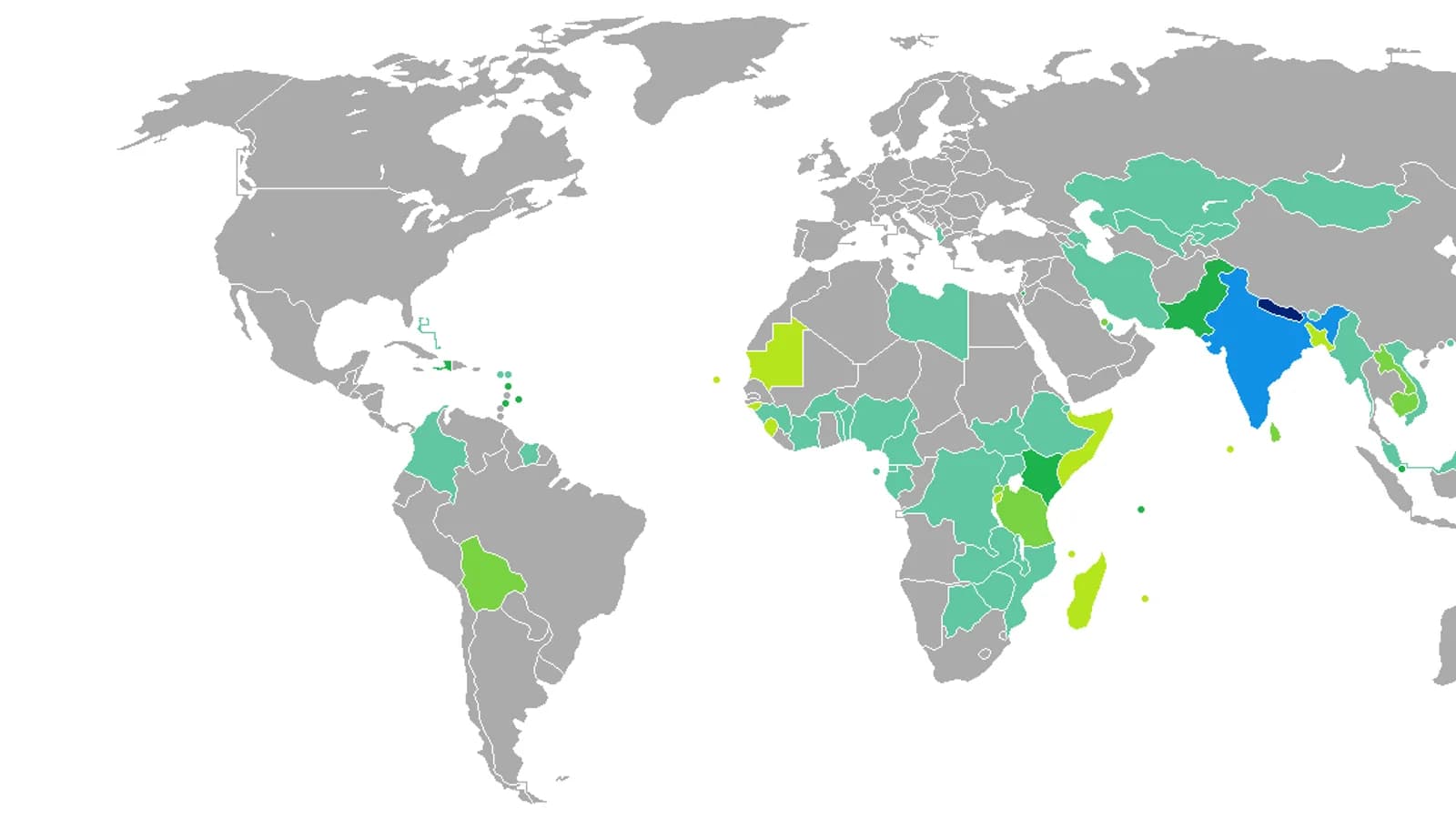
If you have already skimmed the airport mechanics, this is the companion piece: the Nepal visa on arrival is genuinely easy, but a handful of eligibility rules and pre-trip steps decide whether your arrival is a five-minute formality or an unwelcome surprise at the immigration desk. This guide is the "before you fly" half of the story — who qualifies, who pays nothing, and which documents to organise on your laptop a week out.
For the full play-by-play of the kiosk, the payment counter and how to dodge the longest line at Tribhuvan, read our companion post on the Nepal visa on arrival process. This article focuses on preparation and eligibility so the two fit together.
Key takeaways
- Most nationalities qualify for visa on arrival, but a short list must apply at a Nepali embassy in advance — verify yours before booking.
- Tourist visa fees in 2026 are USD 30 (15 days), USD 50 (30 days) and USD 125 (90 days), set by the Department of Immigration (as of June 2026).
- Children under 10 generally get a free visa; United States citizens are the documented exception due to a reciprocity arrangement.
- SAARC nationals except Afghanistan get a free 30-day visa once per calendar year.
- The online on-arrival form is valid for 15 days from submission — fill it close to your travel date and print the barcoded receipt.
- Tourist stays are capped at 150 days per calendar year, whether on one visa or several.
First question: are you even eligible for visa on arrival?
Nearly all travellers reading this can walk up to a kiosk in Kathmandu and get a visa. The Department of Immigration grants visa on arrival to nationals of most countries at Tribhuvan International Airport and at the main land borders with India.
The exception is a small list of nationalities who cannot use visa on arrival and must apply through a Nepali diplomatic mission before travelling. Afghanistan is a special case: Afghan citizens are eligible only on the recommendation of the Department of Immigration, typically arranged through an inviting institution in Nepal.
Because these lists can change, treat any third-party article (including this one) as a starting point and confirm your specific passport against the official Visa On Arrival page before you commit to flights. If your nationality requires advance application, you want to learn that months ahead, not at check-in.
A note on Tibet and other land routes
Visa on arrival works at the busy India border posts, but it does not apply if you are entering overland from Tibet at the Kerung/Rasuwagadhi crossing — that route requires a Nepal visa issued in advance, usually arranged with your China travel. If your itinerary loops through Tibet, plan the visa accordingly rather than assuming on-arrival.
Who pays nothing: the gratis categories
A surprising number of arrivals qualify for a free (gratis) visa. Knowing this in advance saves money and avoids confusion at the counter.
Children under 10
Children under 10 years old are generally issued a gratis visa on arrival. There is one well-documented exception: United States citizens. Because of a reciprocity arrangement between Nepal and the US, American children under 10 pay the standard fee rather than receiving the waiver. If your child qualifies for the free visa, carry their passport or birth certificate so the officer can confirm the age.
SAARC nationals
Citizens of SAARC member states — except Afghanistan — can obtain a free 30-day visa on arrival once per visa year (the calendar year, January 1 to December 31). After that single free allowance is used, the normal fee schedule applies for additional entries or longer stays.
| Category | Benefit | Key condition | |---|---|---| | Children under 10 | Gratis visa | US citizens excluded (reciprocity); bring proof of age | | SAARC nationals (not Afghanistan) | Free 30-day visa | Once per calendar year | | Most other nationalities | Standard paid visa | Choose 15, 30 or 90 days |
If you fall outside these groups, the standard fees apply, which we cover next.
The fee schedule, and how to pay it
The Department of Immigration fee tiers for 2026 are unchanged from recent years (as of June 2026):
| Duration | Fee (USD) | Typical traveller | |---|---|---| | 15 days | USD 30 | A short Kathmandu Valley trip or one quick trek | | 30 days | USD 50 | The standard choice for most visitors | | 90 days | USD 125 | Long treks, multiple regions, festival-season stays |
Two practical points worth sorting before you fly. First, bring clean USD cash in close to the exact amount — torn, marked or very old notes are sometimes refused, and exact change keeps the counter moving. Second, while other major currencies and card payment may be accepted at some counters, the cash-in-USD route is the most reliable, so do not rely on a card working.
If you are weighing how this fits your wider budget, our Nepal travel budget breakdown puts the visa cost in context against transport, permits and accommodation.
The online form: optional, but it earns its keep
Nepal lets you complete the on-arrival visa application online before you travel. It does not replace the airport steps, but it front-loads the data entry so the kiosk part is faster.
The single most important detail: the online on-arrival submission is valid for only 15 days from the date you submit it. Fill it out too early and it expires before you land. The sweet spot is roughly two weeks before arrival. Once submitted, you receive a confirmation with a barcode and an emailed receipt — print both and keep them with your passport.
At Tribhuvan you then use the barcoded printout at the kiosk (or head to the dedicated online-visa counter), which means less typing while jet-lagged and tired. It is a small saving, but combined with arriving outside the afternoon rush it adds up. The full airport sequence — kiosk, bank counter, immigration desk — is laid out step by step in the companion visa-on-arrival guide.
What to have ready before you open the form
- Passport details and a clear scan or photo of the bio page.
- Your Nepal address or first hotel (a printed booking is handy even though it is rarely demanded).
- A recent passport-style photo digitised, in case the upload or kiosk camera is needed.
Documents to organise this week
None of this is exotic, but assembling it on your sofa beats hunting for it at 11pm after a long flight.
- A passport valid at least six months from your date of entry.
- At least one blank, full visa page.
- USD cash for the fee, in clean notes and close to exact change.
- A spare passport-size photo as a backup, even though kiosk cameras usually handle it.
- Your printed online-form barcode and email receipt, if you pre-applied.
- Proof of age for any child claiming the gratis visa.
- A pen — genuinely useful, as they are scarce in the arrivals hall.
A quick word on photos and validity rules: the exact photo and validity requirements have shifted over the past couple of years, so the safe move is to over-prepare slightly and confirm the current specifics on the official Tourist Visa page shortly before departure.
Planning the length: 15, 30 or 90 days
Choosing the right tier is partly a money decision and partly an itinerary one, because extending later is doable but adds a Kathmandu errand to your trip.
- Pick 15 days only if your plan is genuinely short and fixed.
- Pick 30 days as the default; it suits most first visits and leaves slack for weather delays or a spontaneous extra valley.
- Pick 90 days if you are combining several treks, travelling slowly, or staying across multiple festivals.
Remember the hard ceiling: a tourist may stay a maximum of 150 days in any single calendar year. If your trip might run long, read our guide to extending a Nepal tourist visa before you arrive, so the rules and the Department of Immigration office hours are no surprise.
If your travel straddles a trek, line up your trekking paperwork at the same time — our overview of Nepal trekking permits explains what is separate from the visa and what you arrange in Kathmandu or Pokhara.
Arrival-day mindset
Once the paperwork is sorted, the arrival itself is low-drama. You will land, pass through the visa kiosk, pay, and reach the immigration desk with everything already in hand. The officers process a high volume of tired travellers; being organised and friendly genuinely speeds things up.
A small cultural touch goes a long way here. Opening with a warm namaste and a few greetings tends to earn a smile at the desk, and it sets the tone for the rest of your trip. From there it is baggage, the prepaid taxi booth, and the drive into the city.
That is the preparation half. For the live, in-terminal mechanics — kiosk layout, payment counter, beating the afternoon queue and the land-border specifics — head to the Nepal visa on arrival process guide, which this article is designed to sit alongside.
Sources
Frequently asked questions
- Can most tourists get a Nepal visa on arrival?
- Yes. Nationals of most countries can obtain a tourist visa on arrival at Tribhuvan International Airport and major land borders, but a short list of nationalities must apply at a Nepali embassy in advance, so check the Department of Immigration list before booking.
- How much does a Nepal tourist visa cost in 2026?
- The Department of Immigration fees are USD 30 for 15 days, USD 50 for 30 days and USD 125 for 90 days (as of June 2026). Pay in clean USD cash for the simplest experience.
- Do children get a free Nepal visa?
- Children under 10 generally receive a gratis (free) visa on arrival, with the documented exception of United States citizens, who pay the standard fee due to a reciprocity arrangement. Carry the child's passport or birth certificate as proof of age.
- Is the Nepal visa free for SAARC nationals?
- Citizens of SAARC member states except Afghanistan can receive a free 30-day visa on arrival once per visa year, which runs January 1 to December 31. After that free allowance, standard fees apply.
- Should I fill out the online visa form before flying?
- It helps. The online on-arrival form is valid for 15 days from submission, so fill it within two weeks of arrival, print the barcoded receipt and bring it to speed up the kiosk step at the airport.
- How long can I stay in Nepal on a tourist visa?
- Tourist visa holders may stay a maximum of 150 days in a single calendar year, whether you arrive on one long visa or extend a shorter one at the Department of Immigration.
- What passport validity do I need for Nepal?
- Carry a passport valid for at least six months from your date of entry, with a blank full page for the visa sticker, and confirm current rules on the official immigration site before you travel.
Related posts
Do I Need a Visa for Nepal? 2026 Answer by Nationality
Do I need a visa for Nepal? Who needs one, who doesn't, who must apply at an embassy, plus 2026 fees and documents — sorted by your passport.
Read postNepal 15 Day Visa: Cost, Rules, and When to Pick It
The Nepal 15 day visa costs USD 30, is multiple-entry, and suits short trips. Who it fits, who should size up, and how to extend it if plans change.
Read postNepal 30 Day Visa: Cost, Rules, and Who It Suits
A focused guide to the Nepal 30 day visa — the USD 50 fee, multiple-entry rules, when to pick it over 15 or 90 days, and how to extend.
Read post