Nepal Internet Speed: A Guide for Travellers
How fast is the internet in Nepal? Real fixed broadband and mobile speeds, what to expect in cities vs the mountains, and tips for remote workers.
Nepal's home fibre is now the fastest in South Asia — but mobile data and mountain WiFi are a different story.
How fast is the internet in Nepal? The honest answer surprises a lot of travellers: the country's home fibre broadband is now the fastest in South Asia, even as its mobile data lags and connectivity on the trekking trails stays patchy. For anyone planning to work remotely, stay in touch, or simply stream in the evenings, that split between fast city fibre and slow mountain WiFi is the key thing to understand. This practical guide covers the real Nepal internet speed figures, what to expect city by city versus high in the hills, and how to stay connected. For the WiFi and SIM side of the same question, see our guides to WiFi in Nepal and eSIMs in Nepal. Connectivity changes quickly, so sources are dated and linked at the end.
Key takeaways
- Nepal's fixed broadband is fast: a median download of around 84 Mbps in early 2026 (Ookla), the fastest in South Asia.
- Mobile data is much slower and less consistent — typically the low tens of Mbps on 4G, with no public 5G yet.
- Cities are well connected: fibre in Kathmandu and Pokhara handles video calls, uploads and cloud work fine.
- Trekking routes are patchy: teahouse WiFi is slow and often paid, and signal drops at altitude.
- Power cuts are now rare but not gone — a backup mobile connection is worth having.
- For remote work, Pokhara and Kathmandu are the strongest bases; remoter areas are not reliable for heavy work.
The headline numbers
Nepal's connectivity has improved dramatically, and the data backs it up. According to the Ookla Speedtest Global Index for early 2026, Nepal's median fixed broadband download speed was roughly 84 Mbps, placing the country around 90th in the world and, notably, first among South Asian (SAARC) nations — ahead of both India and Bangladesh. That is a genuine leap: at the start of 2025, the median fixed download speed was about 71 Mbps, so home broadband has been climbing fast.
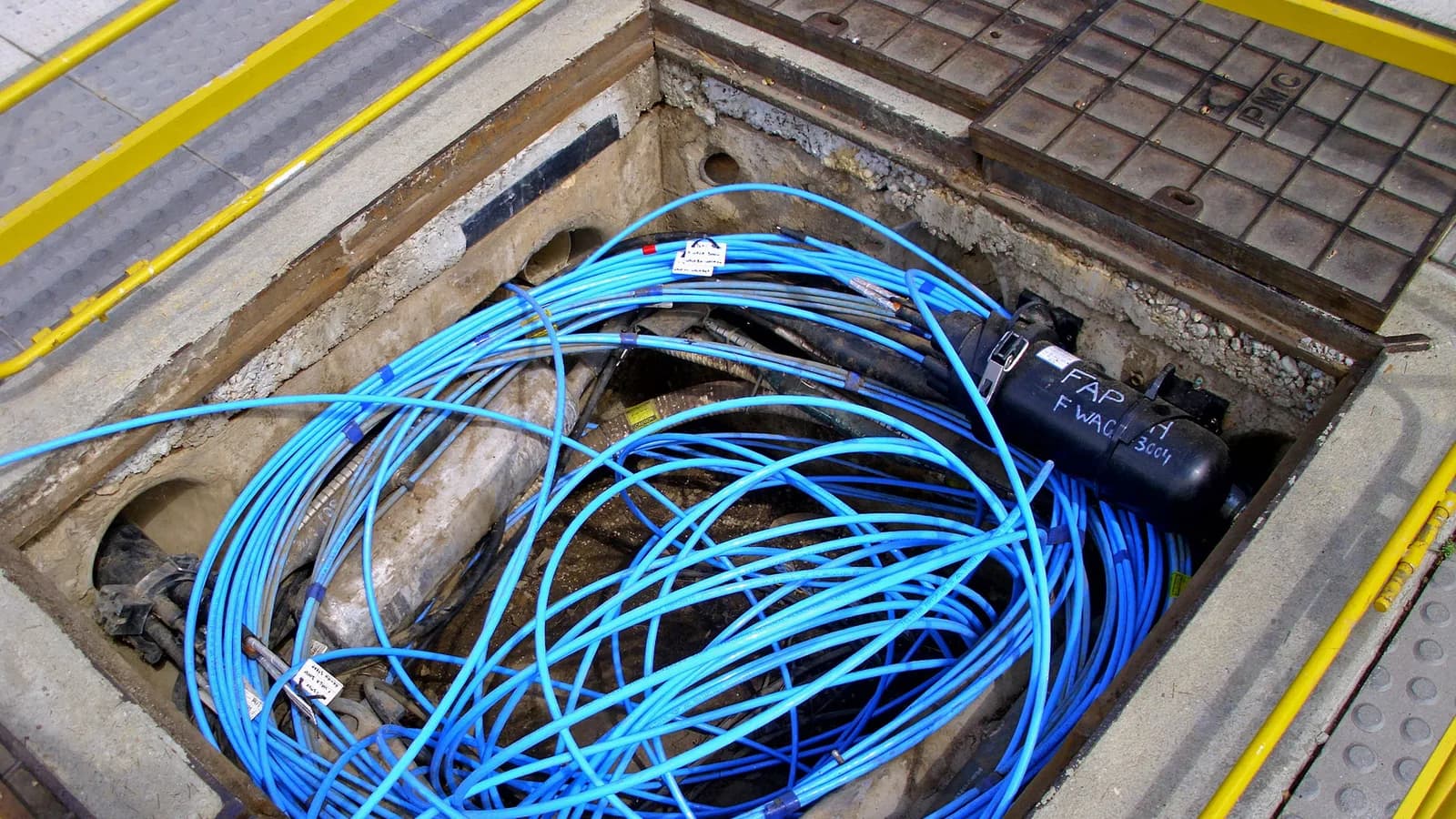
The main driver is fibre-to-the-home (FTTH). Nepal's internet service providers have rolled out fibre widely in urban areas, and that infrastructure is what puts city broadband ahead of larger regional economies.
Mobile data tells a different story. Speeds are far lower — earlier Ookla data put mobile download speeds in the low-to-mid teens of megabits per second — and performance is inconsistent enough that Nepal has at times been left off Ookla's global mobile ranking altogether. So while your hotel fibre may be excellent, the data on your phone will feel noticeably slower.
For wider context, DataReportal estimated around 16.5 million internet users in Nepal at the start of 2025 (about 55.8% of the population) and roughly 39 million active mobile connections — more than one per person — reflecting how central mobile phones are to getting online here.
Cities: genuinely good
In Kathmandu and Pokhara, the internet is good enough that most travellers never think about it. Fibre connections in hotels, cafes and coworking spaces comfortably support:
- Video calls on Zoom, Google Meet and similar.
- Large file uploads and downloads, and cloud-based work tools.
- Streaming films and shows in the evening.
The tourist hubs — Thamel in Kathmandu and Lakeside in Pokhara — have the densest concentration of cafes and guesthouses with free WiFi, and quality there is generally reliable. As always, it pays to test a connection before assuming it is fast: budget guesthouses and busy cafes can slow down in the evening when everyone is online. Our WiFi in Nepal guide goes deeper on where to find free and fast connections.
Mobile data and the 5G question
If you want internet that follows you between cafes, on buses and partway up the trails, a local SIM or eSIM is the answer, and it is cheap. Nepal's two big carriers, Nepal Telecom (NTC) and Ncell, both run nationwide 4G LTE networks with broad coverage in populated areas.
A few realities to set expectations:
- No public 5G. As of mid-2026, Nepal runs on 4G; there is no meaningful commercial 5G rollout. In practice 4G is fine for maps, messaging, social media and app-based calls.
- Speeds are modest. Mobile download speeds in the low tens of Mbps are typical — adequate for everyday use, less so for heavy uploads or long video calls.
- Coverage thins with altitude and remoteness. Cities and the Terai are well served; high mountain routes are not.
To choose between carriers and decide whether a physical SIM or an eSIM suits you, see our guides to the best SIM card for Nepal and eSIMs in Nepal.
On the trekking trail
This is where expectations need resetting most. On popular routes such as the Annapurna Circuit and Everest Base Camp, many teahouses and lodges do offer WiFi — but it is frequently slow, intermittent, and sometimes charged per device or per session. As you gain altitude, both WiFi and mobile signal become unreliable and can vanish entirely on remote high passes.
The sensible approach for trekkers:
- Treat any connection on the trail as a bonus, not a plan.
- Carry a local SIM for the stretches where there is mobile coverage, which reaches further than most teahouse WiFi.
- For genuinely remote, high-altitude sections, rely on your trekking agency's satellite phone for emergencies — no consumer SIM or eSIM overcomes the absence of masts up high.
If part of your appeal in coming to Nepal is switching off, the trekking routes deliver that almost by default.
Power cuts: mostly history
For years, Nepal was synonymous with load-shedding — scheduled blackouts that knocked out routers along with the lights. Thanks to improved electricity supply, prolonged scheduled outages are now far less common in the main cities than they once were. That said, occasional unplanned cuts still happen, especially outside Kathmandu and during heavy monsoon weather. The practical defence is simple: keep a charged power bank and a mobile data SIM so a power blip does not take you fully offline.
Tips for remote workers
Nepal has become a credible base for short-term remote work, particularly in Pokhara, where lakeside cafes, coworking spaces and a relaxed pace pair well with fast fibre. A few pointers:
- Base yourself in a city. Kathmandu and Pokhara offer the reliability heavy work needs; remoter towns and villages do not.
- Have two connections. A fibre WiFi base plus a 4G SIM backup covers you for outages and slow evenings.
- Mind the time zone. Nepal runs on UTC+5:45, an unusual offset worth factoring into call schedules.
- Check before you commit. If a stable connection is critical, confirm the actual speed at your accommodation or coworking space before booking a long stay.
For a deeper look at setting up, see our guides to remote work in Nepal and a workation in Pokhara.
So, is Nepal's internet good enough?
For most travellers and city-based remote workers, yes — better than the country's rugged image suggests. Fixed broadband in Kathmandu and Pokhara is fast and reliable, mobile data is serviceable on 4G, and only the trekking routes and remoter areas demand that you plan around limited or absent connectivity. Pack a power bank, grab a cheap local SIM, and Nepal will keep you online far more easily than you might expect.
Sources
Frequently asked questions
- How fast is the internet in Nepal?
- Nepal's fixed broadband is surprisingly fast. According to the Ookla Speedtest Global Index for early 2026, Nepal's median fixed broadband download speed was around 84 Mbps, the fastest in South Asia and roughly 90th in the world. Mobile data is much slower and less consistent, typically in the low tens of megabits per second on 4G.
- Is the internet in Nepal good enough for remote work?
- In the cities, generally yes. Fibre connections in Kathmandu and Pokhara comfortably handle video calls, large uploads and cloud tools, and coworking spaces and better hotels offer reliable WiFi. The main risks are occasional power cuts and the gap between fast city fibre and slower, patchier connections in rural and trekking areas, so always have mobile data as a backup.
- Does Nepal have 5G?
- Not for general public use as of mid-2026. Nepal's mobile networks run on 4G LTE, which is adequate for maps, messaging, social media and app-based calls, but you should not expect 5G speeds anywhere in the country. Limited 5G trials have taken place, but there is no meaningful commercial 5G rollout yet.
- What is the internet like while trekking in Nepal?
- Variable and often slow. Many teahouses on popular routes such as the Annapurna Circuit and Everest Base Camp offer WiFi, sometimes for a fee, but speeds are low and connections drop out at higher altitudes. Mobile coverage also thins out as you climb. Treat connectivity on the trail as a bonus, not a guarantee.
- Is mobile data fast in Nepal?
- Mobile data is the weaker side of Nepal's connectivity. Speeds are typically in the low tens of megabits per second on 4G, and Nepal has at times been left off Ookla's global mobile ranking for inconsistent performance. It is fine for everyday browsing, maps and messaging, but less reliable than city fibre for heavy uploads or video calls.
- How does Nepal's internet speed compare to India?
- For fixed broadband, Nepal has recently been faster than India. In the early 2026 Ookla index Nepal led the South Asian region on fixed broadband, ahead of both India and Bangladesh, helped by widespread fibre-to-the-home. On mobile data, however, several neighbours rank higher, so the comparison depends on whether you mean home broadband or mobile.
Related posts
WiFi in Nepal: A Traveller's Guide to Getting Online
How good is WiFi in Nepal? Where to find free WiFi, what to expect in hotels, cafes and airports, plus the truth about WiFi while trekking.
Read posteSIM Nepal — The Tourist's Guide to Getting Online
How eSIMs work in Nepal, what they cost, local Ncell and NTC eSIMs vs travel eSIMs like Airalo and Holafly, and whether one suits your trip.
Read postNepal Digital Nomad Visa: Status, Rules and Plans
The Nepal digital nomad visa, explained — the proposed 5-year scheme, income and insurance rules, tax, and what remote workers actually use today.
Read post