Kathmandu to Chitwan: Bus, Flight, or Private Car
How to travel Kathmandu to Chitwan in 2026 — tourist bus, Buddha Air flight to Bharatpur, or private car. Honest cost, time, and comfort for each.
Five to six hours on the highway, or twenty-five minutes in the air — the gap between the cheapest and fastest way to Chitwan is bigger than almost any other route in Nepal.
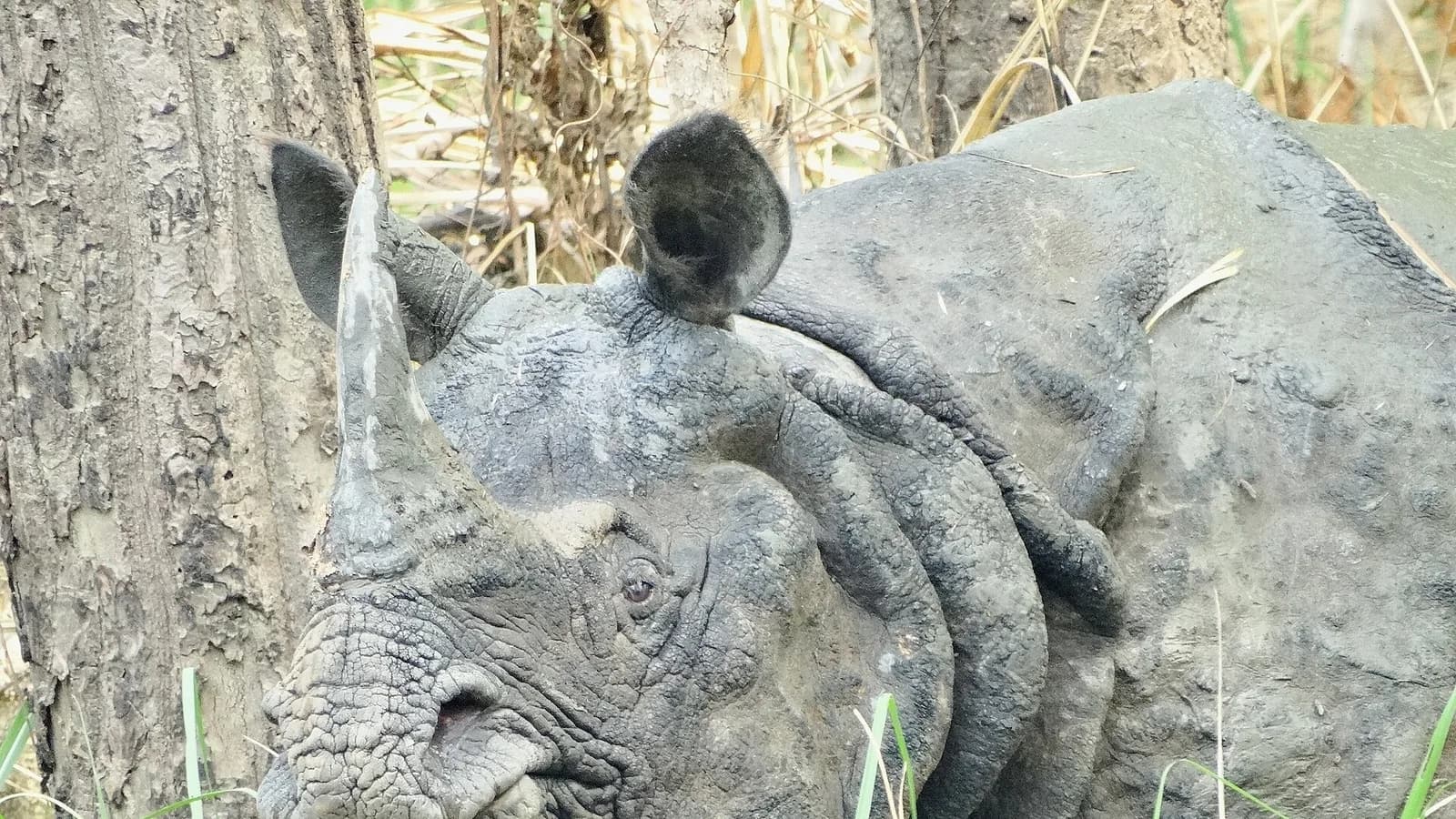
Chitwan National Park sits in Nepal's southern lowland Terai, a world away from the temples of Kathmandu and the peaks of the high country. It is the place most travellers go to swap mountain air for jungle: one-horned rhinos, gharial crocodiles, hundreds of bird species, and — if you are very lucky — a Bengal tiger. The catch is that getting there means crossing the hills. Planning the Kathmandu to Chitwan leg well is the difference between a relaxed transition and a frustrating lost day. This guide breaks down the three realistic ways to make the trip — tourist bus, flight, and private car — with honest notes on cost, time, and comfort as of 2026.
Key takeaways
- The road trip takes 5 to 6 hours to Sauraha (the main park town), covering roughly 150 to 170 km via the Tribhuvan, Prithvi, and East-West highways.
- The tourist bus is the default: around NPR 850 to 1,200 per person, air-conditioned, with a morning departure and a lunch stop (as of June 2026).
- Flying is the fast option: Buddha Air's Kathmandu to Bharatpur hop is about 25 minutes, then a 20 to 30 minute taxi to Sauraha — but it costs much more and is weather-dependent.
- A private car (roughly NPR 12,000 to 18,000 one way, as of June 2026) buys flexibility and door-to-door comfort for groups or families.
- Build in a buffer during monsoon (June to September) and festivals, when landslides and traffic can stretch road times considerably.
- Sauraha, not Chitwan town, is where you actually want to end up — it is the gateway village right beside the park.
Where you are actually going
"Chitwan" on a map is a whole district, so it helps to be precise about your destination. The vast majority of tourists base themselves in Sauraha, a small town on the eastern edge of Chitwan National Park packed with lodges, riverside restaurants, and safari operators. When you book a bus or ask a driver for "Chitwan," you almost always mean Sauraha.
The nearest city is Bharatpur, about 20 to 30 minutes away by road, which is where the airport is. A few travellers stay near Meghauli on the park's western side, which is quieter and harder to reach. For a first visit, Sauraha is the right call — and our Chitwan safari guide covers what to do once you arrive, from jeep drives to canoe trips.
Option 1: Tourist bus — the standard choice
For most independent travellers, the air-conditioned tourist bus is the obvious pick. It is cheap, runs daily in season, and drops you close to the lodges.
What to expect:
- Departure: Tourist buses generally leave Kathmandu around 7:00 AM from the Sorhakhutte / Sohrakhutte tourist bus park, a short taxi or Pathao ride from Thamel.
- Arrival: Most services reach the Sauraha tourist bus stand by early afternoon, roughly 12:30 to 1:00 PM.
- Comfort: Standard coaches are air-conditioned with reclining seats; "VIP" or "sofa" buses offer wider seating for a higher fare. A bottle of water is usually included.
- Lunch stop: Buses pause at a highway restaurant (commonly around Mugling or Kurintar), where you pay for your own meal.
Cost: Tickets typically fall around NPR 850 to 1,200 per person for the standard deluxe bus, with VIP seats costing more (as of June 2026). Foreigners are often quoted a flat figure near 9 US dollars for the deluxe option.
How to book: Any hotel reception or Thamel travel agency will sell you a ticket, usually a day or two ahead is plenty outside the busiest festival weeks. The booking pattern is identical to the Kathmandu to Pokhara tourist bus, which leaves from the same kind of tourist hub.
Option 2: Flight to Bharatpur — the time-saver
There is no airport at Chitwan itself, but Buddha Air flies daily between Kathmandu and Bharatpur, the regional city beside the park. The official route information puts the distance at about 92 km and the flying time at roughly 25 minutes, with around six flights a day.
Once you land at Bharatpur, you take a taxi to Sauraha — generally 20 to 30 minutes depending on traffic. So the realistic door-to-door time, including getting to Kathmandu's domestic terminal early and the transfer at the other end, is still a couple of hours rather than the full day a bus eats.
The trade-offs:
- Cost: A flight is dramatically more expensive than the bus. Fares vary widely by season and how far ahead you book, so treat any single quote with caution and confirm current prices directly with the airline or a Nepali travel agency.
- Weather: Small domestic aircraft are vulnerable to delays and cancellations, especially in the monsoon. Build in a buffer if you are connecting to an international flight.
- Baggage: Domestic flights have tighter baggage limits than international ones — check before you turn up with a large trekking duffel.
Flying makes the most sense if your time in Nepal is short, if you simply dislike long winding road journeys, or if you want to spend an extra half-day in the park rather than on a bus.
Option 3: Private car or jeep — flexibility and comfort
If you are travelling as a family, a small group, or just value control over your schedule, a private car or jeep is the most comfortable road option. You choose the departure time, you can stop wherever you like, and you go door to door.
Cost: A private car one way generally runs around NPR 12,000 to 18,000, with larger vans and 4WD jeeps costing more (as of June 2026). Prices depend on the vehicle, the operator, and the season, so get a couple of quotes.
Why pick it: Split between three or four people, the per-head cost is far more palatable, and you avoid the fixed bus schedule and the crowded bus park. It is also the easiest option if you are carrying a lot of luggage or travelling with young children.
For a sense of how private hire compares with apps and metered cabs around the capital before you set off, our getting around Kathmandu guide covers the in-city side of the journey.
The road, the route, and the scenery
The Kathmandu to Chitwan drive is not a dull motorway slog — it follows one of Nepal's classic river corridors. Vehicles leave Kathmandu heading west on the Tribhuvan Highway, dropping down through the hills to Naubise. From there the route joins the Prithvi Highway, tracing the Trishuli River — Nepal's main white-water rafting river — through gorges and terraced hillsides towards Narayanghat. The final leg turns onto the East-West (Mahendra) Highway for the short run to Sauraha.
As far as Mugling, this is the same road used for the Kathmandu to Pokhara transport routes, so if you have already done the Pokhara drive, the first half will feel familiar before the roads diverge.
Timing and seasonal cautions
| Concern | Practical note | |---|---| | Best departure | Early morning (around 7:00 AM) to arrive by early afternoon | | Heavy-traffic days | Friday afternoons, Sunday evenings, and major festivals add hours | | Monsoon (Jun–Sep) | Landslides and roadworks can stretch journey times; carry a buffer | | Motion sickness | The road is winding in sections — sit forward and bring tablets |
A quick cost-and-time comparison
| Option | Time (door to door) | Rough cost per person | Comfort | |---|---|---|---| | Tourist bus | ~6 hours | NPR 850–1,200 (~$9) | Good — AC, reclining seats, lunch stop | | Flight via Bharatpur | ~2–3 hours | Much higher; varies by season | High, but weather-dependent | | Private car | ~5–6 hours | NPR 12,000–18,000 per vehicle | Highest; flexible and door to door |
All prices are indicative and as of June 2026. Confirm current fares when you book, as Nepali transport pricing shifts with fuel costs and season.
What to bring for the journey
Whichever option you choose, a few small things make the trip smoother:
- Water and snacks — the bus stops for lunch, but having your own keeps you flexible.
- A light layer — bus air-conditioning can run cold even when the lowlands are hot.
- Offline maps and a power bank — phone signal is patchy in the gorges.
- Motion-sickness tablets — the winding Prithvi Highway sections affect some travellers.
- Cash in small notes — for the bus lunch stop, taxis at Bharatpur, and tips.
Since Chitwan sits in the hot, humid Terai, pack lighter clothing than you would for the hills; our Nepal weather by month guide explains how much warmer the lowlands run compared with Kathmandu.
Combining Chitwan with the rest of your trip
Chitwan slots neatly into a wider Nepal loop. A very common pattern is Kathmandu to Pokhara to Chitwan and back to Kathmandu, since Pokhara and Sauraha both connect through the same Mugling-Narayanghat highway corridor — meaning you do not have to backtrack through the capital. Tourist buses run the Pokhara-to-Sauraha leg in a similar 5 to 6 hours.
If your days are tight, fly at least one leg of the triangle and bus the rest. A two- or three-night stay is enough for a couple of safaris, a canoe trip, and a Tharu cultural evening before you move on.
A few useful Nepali phrases for the road
- Sauraha jaane bus kahaa baata chhutchha? — "Where does the bus to Sauraha leave from?"
- Kati ghantaa laagchha? — "How many hours does it take?"
- Kati paryo? — "How much is it?"
- Yahaan rokna paaincha? — "Can we stop here?" (for a bathroom break)
- Bistaarai! — "Slowly!" (to an over-enthusiastic driver)
For the wider transport vocabulary, the getting around Kathmandu guide pairs well with these.
Pre-trip checklist
- Decide bus, flight, or private car based on budget and how tight your schedule is.
- Book the tourist bus a day or two ahead through your hotel in peak season.
- If flying, confirm current Buddha Air fares and the Bharatpur-to-Sauraha taxi plan.
- Pack light clothing for the hot Terai, plus a layer for bus AC.
- Carry water, snacks, cash in small notes, and motion-sickness tablets.
- Read up on the park itself in our Chitwan safari guide before you arrive.
The crossing from mountains to jungle is one of the most rewarding contrasts a Nepal trip offers. Pick the option that matches your time and budget, leave early, and you will be watching rhinos by the river before you know it.
Sources
- Buddha Air — Kathmandu to Bharatpur flight route
- Graceful Adventure — Kathmandu Chitwan tourist bus ticket, price, time
- Magic Himalaya Treks — Kathmandu to Chitwan tourist bus (2025 price updates)
- Adventure Great Himalaya — Kathmandu to Chitwan car rental, cost and distance
- Travelling Mandala — How to get from Kathmandu to Chitwan (bus, flight)
Frequently asked questions
- How long does it take to get from Kathmandu to Chitwan?
- By road it is roughly 5 to 6 hours to reach Sauraha, the main tourist hub beside Chitwan National Park, covering about 150 to 170 kilometres on the highway. By air it is far quicker: the Kathmandu to Bharatpur flight takes about 25 minutes, plus roughly 30 minutes by taxi from Bharatpur airport to Sauraha. Road times stretch in heavy traffic, festivals, or monsoon landslides.
- How much is a tourist bus from Kathmandu to Chitwan?
- Tourist bus tickets to Sauraha typically run around NPR 850 to 1,200 per person for the standard air-conditioned coach, with VIP sofa-style seats costing more (as of June 2026). Foreigners are often quoted a flat rate near 9 US dollars for the deluxe bus. Book through any hotel or Thamel travel agency a day or two ahead in peak season.
- Is there a flight from Kathmandu to Chitwan?
- Yes, indirectly. There is no airport at Chitwan itself, but Buddha Air flies daily from Kathmandu to Bharatpur, the nearby city, in about 25 minutes. Bharatpur airport sits roughly 20 to 30 minutes by taxi from Sauraha and the national park. It is the fastest option but the most expensive, and small domestic flights can be delayed by weather.
- How much does it cost to hire a private car to Chitwan?
- A private car from Kathmandu to Chitwan generally costs in the region of NPR 12,000 to 18,000 one way, with larger vehicles and jeeps costing more (as of June 2026). Prices vary by operator, vehicle, and season. A private car is the most flexible road option because you control departure time and can stop along the way, but it is far pricier than the shared tourist bus.
- Which is better, the bus or the flight to Chitwan?
- It depends on your budget and schedule. The tourist bus is cheap, social, and lets you see the river-valley scenery, but it eats most of a day. The flight to Bharatpur saves hours and is worth it if your time in Nepal is tight or you dislike long winding roads. Many travellers bus one way and fly the other to get both the views and the time saving.
- What route does the Kathmandu to Chitwan road follow?
- Vehicles leave Kathmandu west on the Tribhuvan Highway down to Naubise, then follow the Prithvi Highway along the Trishuli River towards Narayanghat, and finally turn onto the East-West (Mahendra) Highway for the short final stretch to Sauraha. It is the same river-valley corridor used for the Pokhara route as far as Mugling, where the roads split.
- Is the road from Kathmandu to Chitwan safe and comfortable?
- The route is a busy two-lane highway through hills and river valleys. Tourist buses are reasonably comfortable with air-conditioning and a lunch stop, but the road is winding in sections and prone to delays from traffic, roadworks, and monsoon landslides between June and September. If you are prone to motion sickness, sit near the front and carry tablets.
- Can I go from Pokhara to Chitwan instead of Kathmandu?
- Yes, and many itineraries do exactly that. Tourist buses also run between Pokhara and Sauraha in a similar 5 to 6 hours, since both cities feed into the same Mugling-Narayanghat highway corridor. A popular loop is Kathmandu to Pokhara to Chitwan and back to Kathmandu, mixing mountains, lakes, and jungle in one trip.
Spotted an error in this post? Tell us or suggest a correction.
Related posts
ABC Trek: A Plain-English Guide to Annapurna Base Camp
The ABC trek (Annapurna Base Camp) explained — the route, how many days it takes, difficulty, the best seasons, and what daily trail life is really like.
Read postAma Dablam Climb: 2026 Expedition Guide (6,812m)
An Ama Dablam climb and expedition guide for 2026 — height, the Southwest Ridge route, camps, fixed ropes, difficulty, permits, cost and the best seasons.
Read postAnnapurna vs Manaslu: Which Trek Should You Choose?
An Annapurna vs Manaslu decision guide for trekkers — compare permits, crowds, difficulty, infrastructure and cost to pick the right Himalayan route.
Read postAsan Bazaar Kathmandu: Old Town Market Guide
A visitor guide to Asan bazaar, Kathmandu's oldest market — its six-road square, Annapurna Temple, what to buy, when to go, and how to get there.
Read postAyurveda Nepal: A Traveller's Guide to Healing
Ayurveda Nepal explained for tourists — the history, the doshas, treatments like Panchakarma and Shirodhara, where to go and how to choose a centre safely.
Read postBest Restaurants Pokhara Lakeside: Where to Eat
The best restaurants in Pokhara Lakeside — lakeside trout, wood-fired pizza, Tibetan momos and healthy cafes, with what to order and rough 2026 prices.
Read post