Kalinchok Snow: When to Go & What to Expect
A focused guide to Kalinchok snow — when it falls, what to wear, road and cable car conditions, and how to plan a winter day in the snow near Kathmandu.
When the powder hits Kuri's blue rooftops, the easiest snow in Nepal is just one long drive from Kathmandu.
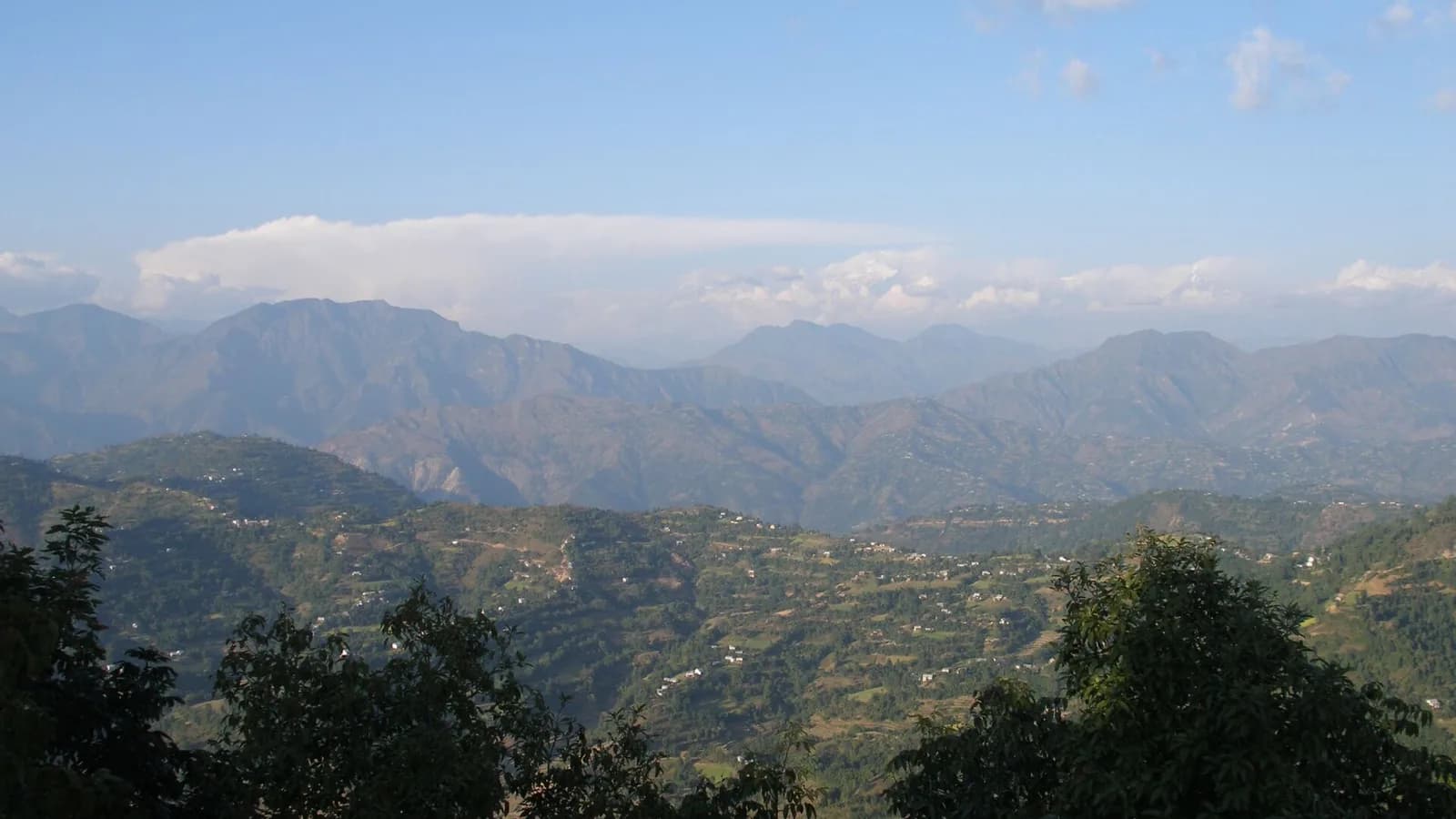
If there is one reason Nepali families pile into a jeep in the depths of winter and brave a long, bumpy drive, it is Kalinchok snow. The ridge above Kuri village in Dolakha is one of the closest places to Kathmandu where ordinary travellers can realistically see — and play in — fresh snowfall, without committing to a multi-day Himalayan trek. A short cable car does the hardest climbing, so the snow is genuinely within reach for families, first-timers and anyone who simply wants to throw a snowball at nearly 3,850 metres.
This is a focused companion to our full Kalinchok travel guide. Here we zoom in on the one thing most winter visitors come for: the snow — when it falls, how cold it gets, what to pack, and how to keep your trip safe and comfortable when the ridge turns white.
Key takeaways
- Kalinchok snow is most likely from late December through February, with January into early February usually the deepest.
- A light dusting can appear in December, but snowfall is never guaranteed in any single year — check recent reports first.
- January ridge temperatures are reported at roughly minus two to five degrees Celsius by day, often below freezing at night.
- The cable car from Kuri usually keeps running in snow and is the easiest way up when trails are icy.
- The Charikot to Kuri road can become difficult or impassable after heavy snow, so check conditions and use an experienced driver.
- Book accommodation early — Kuri's limited rooms fill fast on snowy weekends.
When Kalinchok gets snow
Kalinchok sits high enough — the Bhagwati temple is at about 3,842 metres — to collect real winter snow, unlike the lower hills around Kathmandu. The snow window broadly runs through the cold months from late November to early March, but the realistic sweet spot for actual snow cover is narrower.
The snow calendar
Most sources describe a similar pattern: a first dusting around December that signals the season is starting, then heavier, more reliable snow through January and into the first weeks of February. Several local operators single out late December to early February as the best stretch, with February often named as a particularly good month for finding the ridge under snow.
| Period | What to expect | | --- | --- | | Late November – early December | Cold sets in; snow possible but often patchy or absent | | Late December | First proper dustings; the season "begins" | | January – early February | Best odds of deep, photogenic snow cover | | Mid-February – early March | Snow can linger but becomes less reliable |
Why snow is never guaranteed
The honest truth every visitor should hear: snowfall at Kalinchok depends on passing weather systems, and it varies a lot from year to year. Some winters deliver thick, repeated falls; others are disappointingly thin. There is no date you can book months ahead and be certain of snow. The smart approach is to watch the forecast and recent visitor photos in the days before you travel, stay flexible, and treat a white ridge as a wonderful bonus rather than a promise. For the wider seasonal picture, our Nepal weather by month guide and the overview of the best time to visit Nepal are useful planning companions.
How cold it gets, and how that feels
Snow means cold, and at this altitude the cold is the real thing. Reports for January put daytime temperatures on the ridge roughly between minus two and five degrees Celsius, with nights commonly dropping below freezing. Those numbers only tell half the story, though.
Two factors make Kalinchok feel colder than a thermometer suggests:
- Wind. The temple sits on an exposed ridge with little shelter. Even a sunny, still morning in the village can turn biting once you are up top and the wind picks up.
- Altitude. At close to 3,850 metres, your body is working harder and the air is thin, so the cold bites faster than it would at low elevation.
The practical lesson is that you should dress for conditions noticeably harsher than the daytime figure implies, and never assume a clear sky means a warm ridge.
What to wear and pack for the snow
Getting your clothing right is the single biggest factor in whether a Kalinchok snow trip is joyful or miserable. The consistent advice from local guides is to layer up and keep extremities warm and dry.
Clothing checklist
- Base layer: thermals (top and bottom) to trap warmth against the skin.
- Mid layer: a fleece or warm sweater for insulation.
- Outer layer: a thick, insulated and ideally water-resistant winter jacket.
- Footwear: sturdy, waterproof, non-slip boots — snow and ice on the ridge and steps are slippery.
- Extremities: a warm hat, insulated gloves, and warm socks (bring a spare pair).
Easy-to-forget extras
- Sunglasses and sunscreen. Snow glare at altitude is intense and can burn skin and eyes even on cold days.
- A spare warm layer for the freezing night in Kuri, where heating is minimal.
- Trekking poles, which some visitors find helpful for balance on snowy ground.
- Cash, because the cable car has no online booking and mountain villages run on rupees.
For a broader cold-weather kit list that overlaps with high-altitude trekking, see our Nepal trekking packing list.
Getting up there when it is snowing
The journey to Kalinchok is a two-stage trip — a long drive from Kathmandu to Charikot, then a rough climb up to Kuri village — and winter adds a layer of difficulty to that final stretch. The full route details, distances and timings live in the main Kalinchok guide; here is what changes when there is snow on the ground.
The Charikot–Kuri road in winter
The unpaved 4WD road from Charikot up to Kuri (roughly 17–18 km) is the crux. After heavy snow or ice it can become slow, hazardous or temporarily impassable for jeeps, buses and cars. To stay safe:
- Travel with an experienced local driver who knows the road in winter.
- Check conditions in Charikot before committing to the final climb.
- Build in buffer time, and be mentally prepared that the very top section may require waiting or, occasionally, finishing on foot.
The cable car in snow
The good news is that the cable car from Kuri to the temple ridge usually keeps running in snowy weather, and it is the easiest and safest way up when the walking trail is icy. The ride is short — a few minutes — and lifts you over the slippery ground entirely. A few winter-specific notes:
- Snowy weekends and holidays draw crowds, so queues at Kuri can be long. Arrive early.
- There is no advance online booking; tickets are bought on-site.
- Always confirm operating hours on the day, as they can shift with weather and season.
If you would rather walk, the trail from Kuri to the shrine takes roughly one to one and a half hours in good conditions — but in deep snow or ice, the cable car is the sensible choice for most visitors.
What to do in the snow at Kalinchok
Once you are up there with fresh snow underfoot, the appeal is simple and joyful. Visitors report the classic snow-day pleasures: building snowmen, snowball fights, and wandering the snow-draped trails around the ridge and Kuri village. Some operators also mention sledding-style fun on the slopes when conditions allow.
Beyond play, two experiences stand out:
- Sunrise from the temple ridge. On a clear winter morning the ridge opens onto a sweeping Himalayan panorama — peaks such as Gaurishankar, Langtang, Dorje Lakpa, Jugal Himal and Ganesh Himal can line the horizon, with skies usually clearest at dawn before haze builds. This is the main reason to stay overnight in Kuri rather than visiting as a rushed day trip.
- The Bhagwati temple under snow. The open-air shrine of tridents and bells takes on an especially stark, elemental beauty when frosted white. It remains an active pilgrimage site, so dress modestly and follow local worshippers' lead — our notes on temple etiquette for tourists apply here too.
Staying overnight to catch the snow
Because the best light and often the freshest snow come early, the standard plan is to spend a night in Kuri village. Accommodation is simple — small lodges, hotels and family homestays offering basic rooms and hearty local food rather than comfort or strong heating.
Two winter realities are worth planning around:
- Rooms book out fast. On snowy weekends Kuri's limited beds are frequently pre-booked days ahead, so reserve early if you are timing a trip to fresh snow.
- Nights are genuinely cold. At around 3,500 metres Kuri drops well below freezing after dark with little heating, so your warmest layers, a hat and a good sleeping setup matter as much at night as during the day.
A comfortable rhythm is to drive up and reach Kuri in the afternoon, settle in, then rise before dawn for the cable car or hike to the temple for sunrise — an easy two-day, one-night snow escape from Kathmandu, or stretched to two nights for a slower pace.
Staying safe and comfortable in the cold
A snow trip to Kalinchok is family-friendly by Himalayan standards, but the altitude and cold are real and deserve respect:
- Move slowly on the ridge. Near 3,850 metres the air is thin; take it easy, stay hydrated, and if you have ever been sensitive to altitude, read our altitude sickness guide.
- Mind the ice. Steps, the ridge and the trail can be treacherous when frozen; wear non-slip footwear and watch children near drop-offs.
- Keep dry. Wet gloves or boots in this cold are miserable and can be dangerous, so prioritise waterproof gear and pack spares.
- Don't rely on snow being there. Have a plan that is still rewarding — the temple, the views, the village — even if a particular weekend turns out snow-free.
Kalinchok snow earns its reputation: it is about the easiest place in Nepal for an ordinary traveller to stand in fresh powder with Himalayan giants on the horizon, all within a single long drive of Kathmandu. Time it for the heart of winter, pack properly for the cold, respect the road and the altitude, and you have one of the country's most accessible and memorable snow days. For everything else — the cable car fares, the temple's story, full transport logistics — head back to the complete Kalinchok travel guide.
Sources
- Kalinchowk Darshan — official cable car operator
- Altitude Himalaya — Snowfall in Kalinchowk season guide
- Altitude Himalaya — Best Time to Visit Kalinchowk
- Langtang Ri — Kalinchowk Snow Update & Tour Guide 2026
- Himalayan Dream — Kalinchowk snowfall, temple, cable car and tour
- Subhayatra — Everything about Kalinchowk Snowfall
Frequently asked questions
- When does it snow at Kalinchok?
- Snow is most likely from late December through February, with January and early February usually offering the deepest cover. A light dusting can arrive in December, but nothing is guaranteed in any single year, so always check recent reports first.
- How cold does Kalinchok get in winter?
- Reports for January put daytime temperatures roughly between minus two and five degrees Celsius on the ridge, with nights commonly dropping below freezing. Wind on the exposed temple ridge makes it feel colder, so warm layers are essential.
- Can the cable car run when it snows?
- The cable car from Kuri to the temple ridge usually keeps operating in snow and is the easiest way up when trails are slippery. During heavy snowfall weekends queues can be long, so arrive early and confirm hours on the day.
- Is the road to Kalinchok safe in the snow?
- The rough 4WD road from Charikot up to Kuri can become difficult or temporarily impassable for jeeps after heavy snow or ice. Travel with an experienced local driver, check conditions before you set off, and build in buffer time.
- What should I wear for snow at Kalinchok?
- Layer up with thermals, a warm insulated jacket, hat, gloves and waterproof non-slip footwear. Add sunglasses and sunscreen because snow glare at altitude is strong, and pack a spare warm layer for the night in Kuri.
- Do I need to book accommodation in advance for a snow trip?
- Yes. Kuri village has limited rooms and they fill up fast on snowy winter weekends, often pre-booked days ahead. Reserve early if you are chasing fresh snow, especially around weekends and holidays.
- Is Kalinchok snow suitable for families with children?
- It can be, thanks to the cable car that removes the hardest climbing. Keep in mind the altitude near 3,850 metres and the cold, dress children in proper layers, move slowly, and watch little ones near the icy ridge edges.
- Can I guarantee I will see snow if I visit in January?
- No. January gives you the best odds, but snowfall depends on passing weather systems and varies year to year. Treat snow as a likely bonus rather than a certainty and check forecasts and recent visitor photos before booking.
Related posts
Kalinchok Travel Guide: Cable Car, Temple & Snow
A tourist's guide to Kalinchok (Kalinchowk) in Dolakha — the cable car, the Bhagwati temple at 3,842 m, Kuri village, snowfall and how to get there from Kathmandu.
Read postNepal Weather in December: A Tourist's Guide
Nepal weather in December: clear skies, cold nights, dry trails — with temperatures for Kathmandu, Pokhara, the Terai and the mountains.
Read postAccessible Travel Nepal: Wheelchair & Disability Guide
Accessible travel in Nepal for wheelchair users and travellers with disabilities: what works, what's hard, specialist operators and how to plan a trip.
Read post