Holi Date in Nepal: When Fagu Purnima Falls Each Year
The Holi date in Nepal shifts yearly with the Falgun full moon. See the 2025 and 2026 dates, why hills and Terai differ, and how to plan around it.
Holi in Nepal does not sit on a fixed square of the calendar — it follows the full moon of Falgun, which is exactly why so many visitors miss it by a day.
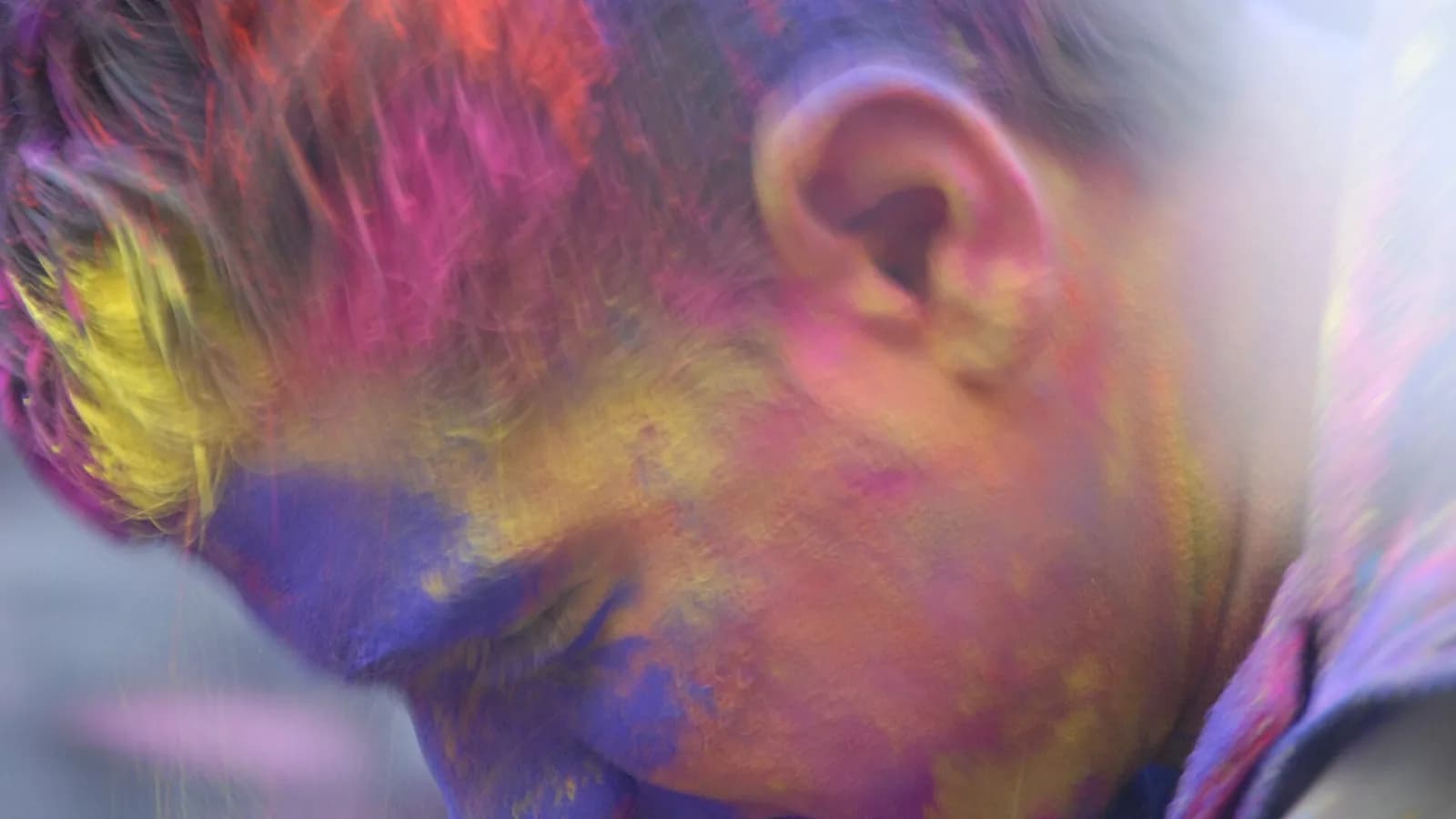
If you are trying to pin down the Holi date in Nepal, the short answer is that there isn't a single fixed one. Holi — known across the country as Fagu Purnima — tracks the full moon of the Nepali month of Falgun, so it slides around the Western calendar from year to year, usually landing in late February or March. To make planning slightly trickier, Nepal celebrates it on two different days depending on whether you are in the hills or down on the southern plains. This guide lays out the recent and upcoming dates, explains the lunar logic behind them, and shows how to plan a trip so you actually catch the colour rather than arriving the morning after.
If you already know your dates and just want the on-the-ground practicalities, our practical visitor's guide to Holi in Nepal covers what to wear, where to go, and how to stay clean and safe.
Key takeaways
- Holi follows the Falgun full moon (Purnima), so the exact date shifts every year and falls in late February or March.
- In 2026, the hills celebrate on Monday, 2 March and the Terai on Tuesday, 3 March.
- In 2025, the hills celebrated on Thursday, 13 March and the Terai on Friday, 14 March.
- Hill and Himalayan districts mark the full-moon day; the Terai plains celebrate one day later.
- Nepal's hill Holi is usually one day ahead of India, which gives organised travellers two consecutive chances.
- Fagu Purnima is a public holiday, but the holiday date differs by region — check before booking.
What "Holi date in Nepal" really means
Most calendars print a single Holi date, but in Nepal that is misleading. The festival is anchored to Falgun Purnima — the full-moon night of the lunar month of Falgun. Falgun roughly overlaps with February and March on the Gregorian calendar, and "Fagu" gives the festival its common Nepali name, Fagu Purnima.
Because the Nepali year is counted in Bikram Sambat (BS), which runs about 56–57 years ahead of the Western (AD) calendar and uses lunar months for festivals, the same event lands on a different AD date each year. If the Bikram Sambat system is new to you, our explainer on the BS vs AD calendar walks through how the two line up.
So whenever you see a "Holi date," ask two questions: which year (and ideally which BS year), and which region of Nepal — because the hills and the plains do not move together.
Holi dates in Nepal: 2025 and 2026
Here are the verified recent and upcoming dates, drawn from the Nepali calendar (Hamro Patro) and public-holiday listings. The hill date is the Falgun full moon; the Terai date is the following day.
| Year (AD) | Hill regions (Kathmandu, Pokhara) | Terai plains | Bikram Sambat | | --- | --- | --- | --- | | 2025 | Thursday, 13 March | Friday, 14 March | Falgun 29 / Chaitra 1, 2081 | | 2026 | Monday, 2 March | Tuesday, 3 March | Falgun 18 / Falgun 19, 2082 |
A couple of notes on these:
- The hill date (Falgun 18, 2082 BS = 2 March 2026) is the one tied to the full moon and to the public holiday in the 56 hill and Himalayan districts.
- The Terai date is always the day after the hill date in this pattern, so if 2 March is the hill Holi, the southern plains light up on 3 March.
You may notice some travel blogs quoting slightly different March dates for 2026. When sources disagree, trust the Nepali calendar's Falgun-18 anchor for the hills rather than a guessed Gregorian date, and always reconfirm a few weeks out, since festival dates can be formally announced or fine-tuned by the calendar committee.
Why two dates exist
The split is not a quirk — it is two living traditions meeting in one country:
- The hill and Himalayan belt, including the Kathmandu Valley and Pokhara, celebrates on the full-moon day itself.
- The Terai, Nepal's southern plains bordering India, follows the convention shared with its neighbours and celebrates the next day.
The practical upshot is that Nepal effectively hands you two Holi days back to back. An organised traveller can do colour in Kathmandu or Pokhara on day one, then continue south for a second, more traditional celebration in the Terai on day two.
Why the date moves each year
Holi is a lunar festival. It is fixed to the full moon of Falgun, not to a particular calendar square. A lunar month is roughly 29.5 days, which is shorter than a solar month, so the lunar and solar calendars drift against each other. To keep festivals roughly in season, the lunisolar Nepali calendar periodically adjusts — but the net effect for you is simple: the AD date of Holi changes every year, generally bouncing around within late February and March.
This is the same reason festivals like Dashain and Tihar also move on the Western calendar. None of them is "late" or "early" — they are simply following the moon.
The Falgun full moon, in plain terms
Think of it as a chain: the full moon of Falgun sets the date, the hills celebrate on that day, and the Terai celebrates the day after. Get the full-moon date for a given year and you can derive both Holi dates from it.
The meaning behind the festival
Holi is best known abroad as the festival of colours, but it carries older layers of meaning that explain the timing and the rituals.
Holika and the bonfires
The most widely told story comes from Hindu tradition: the demon king Hiranyakashipu tried to have his devout son Prahlad killed. His sister Holika, believed to be immune to fire, sat in a blaze holding Prahlad — but she burned while the boy was spared. The tale is read as the triumph of devotion and good over evil. It is commemorated on Holika Dahan, bonfires lit the night before the colour day in many communities, which is part of why Holi spans an evening and the following day.
A spring festival
Holi also marks the arrival of spring and the end of winter — a seasonal release that helps explain its exuberant, play-everywhere energy. The throwing of coloured powder (often called gulal or abir) and water is the joyful, communal face of that renewal. For deeper background on how festivals fit into Nepali life, see our overview of Nepali culture.
How to plan a trip around the Holi date
Because the date moves and splits, a little planning goes a long way.
Build your trip around the hill date first
If your priority is the big, tourist-friendly celebration, anchor your plans to the hill Holi date (Kathmandu and Pokhara). That is the day the main street parties happen in places most visitors base themselves. Book accommodation early for that window — Pokhara's Lakeside and Kathmandu's Thamel fill up around the festival.
Consider catching both days
If your dates are flexible, you can experience colour twice: the hills on the full-moon day, then the Terai the following day for a more traditional, religiously inflected celebration. This works neatly if you are already heading south toward Chitwan or Lumbini after the Kathmandu Valley.
Mind the public holiday
Fagu Purnima is a public holiday, but — consistent with everything above — the holiday lands on the hill date in the hill and Himalayan districts and on the Terai date in the listed plains districts. Expect government offices, many banks, and some businesses to close on the relevant day for your location, so plan transport, money, and bookings accordingly.
Reconfirm before you commit
Festival dates can be formally announced or slightly adjusted by Nepal's calendar authorities. Before locking in non-refundable flights or tours, reconfirm the year's Holi date against an official Nepali calendar or public-holiday list. Treat any single travel-blog date — including older ones — as provisional until you have checked it.
Quick reference: Holi date facts
| Question | Answer | | --- | --- | | Festival name in Nepali | Fagu Purnima (Phagu Purnima) | | What sets the date | Full moon (Purnima) of Falgun | | Typical season | Late February to March | | Hill date (2026) | Monday, 2 March (Falgun 18, 2082) | | Terai date (2026) | Tuesday, 3 March (Falgun 19, 2082) | | Public holiday? | Yes, on the region's celebration day |
A handful of Nepali words come in handy around the festival — a warm Happy Holi! and a few greetings go a long way. If you want to pick some up before you go, our basic Nepali phrases post is a good starting point.
Sources
Frequently asked questions
- What is the Holi date in Nepal in 2026?
- In 2026, the hill regions including Kathmandu and Pokhara celebrate Holi on Monday, 2 March (Falgun 18, 2082 BS), and the Terai plains celebrate the next day, Tuesday, 3 March (Falgun 19). Always reconfirm closer to the date against an official Nepali calendar.
- When was Holi celebrated in Nepal in 2025?
- In 2025, the hills marked Holi on Thursday, 13 March (Falgun 29, 2081 BS) and the Terai on Friday, 14 March (Chaitra 1, 2081 BS). The one-day gap between hill and plains is the normal pattern in Nepal.
- Why does the Holi date change every year?
- Holi falls on the full moon (Purnima) of the lunar month of Falgun. Because lunar months are shorter than solar months, the matching Gregorian date drifts each year, usually landing somewhere in late February or March.
- Why do the hills and the Terai celebrate Holi on different days?
- The hill and Himalayan districts celebrate on the Falgun full moon itself, while the Terai plains follow the tradition shared with neighbouring India and celebrate the day after. That is why Nepal effectively has two Holi days.
- Does Nepal celebrate Holi before India?
- Generally yes. Nepal's hill regions celebrate on the full moon day, which is usually a day ahead of the main Holi date observed in much of India and in Nepal's own Terai belt. The exact gap can vary slightly by year and locality.
- Is Holi a public holiday in Nepal?
- Yes. Fagu Purnima is a gazetted public holiday, observed in the hill and Himalayan districts on the full moon day and in the listed Terai districts the following day, so the closure date depends on the region.
- What is Holi called in Nepali?
- Holi is widely known in Nepal as Fagu Purnima or Phagu Purnima, named after the full moon (purnima) of the month of Falgun. You may also see it written as Faltun or Phalguna Purnima in older spellings.
- What time of day does Holi happen in Nepal?
- The colour-throwing is mostly a daytime event, peaking through the morning and early afternoon. The night before, some communities light Holika bonfires, so the celebration effectively spans an evening and the following day.
Related posts
Dashain Dates 2026: Full Calendar and Tika Time
Confirmed Dashain dates 2026 in Nepal: Ghatasthapana Oct 11, Vijaya Dashami Tika on Oct 21 at 11:53 AM, and the full 15-day schedule.
Read postHoli in Nepal — A Practical Visitor's Guide
Planning Holi in Nepal? When the festival of colours falls, where to celebrate in Pokhara and Kathmandu, what to wear, and how to stay safe and clean.
Read postThe Dog Festival of Nepal: A Short Visitor's Guide
The dog festival of Nepal, Kukur Tihar, is the viral day when every dog gets a garland and a tika. A quick guide to what it is and where to see it.
Read post