Buy Khukuri Nepal: Where to Shop for a Real One
Where to buy a khukuri in Nepal — Thamel shops, the eastern forging towns, ethical sourcing, and how to shop without getting a cast fake.
The best khukuri is the one whose maker can tell you which forge it came from.
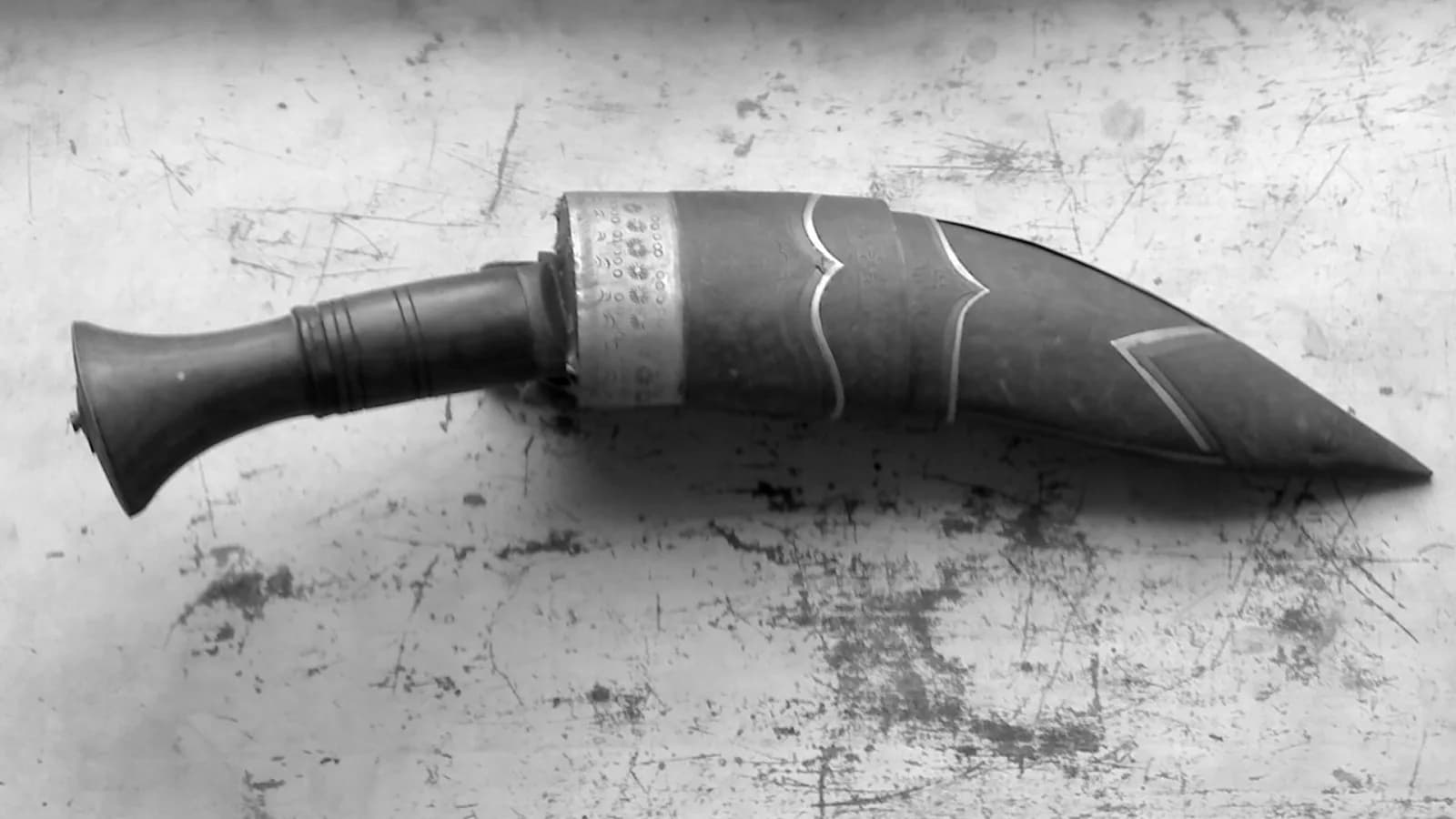
Want to buy a khukuri in Nepal and bring home the real, forged article rather than a soft cast lump off a souvenir rack? This is a practical shopping guide: where the good shops are, which towns the best blades come from, how to read a seller, and how to source one ethically. For the deep dive on the blade's anatomy, spotting fakes, and the strict rules for flying it home, see our full khukuri buying guide — this post is the on-the-ground companion to it.
Key takeaways
- Most travellers buy in Thamel, Kathmandu's tourist quarter, where several specialist khukuri houses sell hand-forged blades.
- The best blades trace back to the eastern forging towns of Bhojpur, Dharan, and Chainpur.
- A genuine forged khukuri runs into the tens of US dollars and up (as of 2025) — the very cheap rack versions are decorative castings.
- Buying online from an established Nepali forge is a valid alternative that ships worldwide.
- Whatever you buy, it flies home in checked baggage only, and you must check your own country's import rules first — covered in detail in the main khukuri guide.
Where to buy in Kathmandu
For most visitors the khukuri search begins and ends in Thamel, the warren of shops, trekking outfitters, and cafes that is Kathmandu's tourist hub. Within a few blocks you will find both extremes: generic souvenir stalls hanging rows of shiny blades, and dedicated khukuri houses run by people who forge or source the real thing.
The difference matters. A specialist shop typically sells blades supplied directly from the eastern forges, can explain the steel and the tang, and stocks proper working knives alongside presentation pieces. Some of these shops were founded by former Gurkha soldiers, who know the blade intimately. A general curio rack, by contrast, is usually selling cast display pieces priced for impulse buys.
Thamel and around
Thamel is dense with options, and several long-running specialist shops cluster there and in nearby Lazimpat. You do not need a specific address to start — walk the lanes, look for shops that only sell khukuris and related blades rather than mixing them with pashminas and singing bowls, and let the staff talk. A seller who can name the forging town a blade came from is a good sign; one who cannot is probably selling imports of unknown origin.
If you are basing yourself for a shopping day, our where to stay in Kathmandu guide covers the neighbourhoods, and Thamel itself is walkable from most tourist hotels — see our Thamel Kathmandu overview for orientation.
Beyond Thamel
You do not have to buy in Thamel. Specialist outlets exist elsewhere in the Kathmandu Valley, and the metal-and-craft workshops of Lalitpur are worth a wander in their own right if you enjoy seeing things made — our Patan (Lalitpur) guide has more. Wherever you shop, the same rule applies: a knife-focused seller beats a general souvenir shop every time.
The eastern forging towns
The khukuri's craft heartland is not Kathmandu at all — it is the eastern hills. Knowing this helps you ask better questions and recognise a quality blade.
| Town | Reputation | |---|---| | Bhojpur | Historic heritage forging hub; prized working and ritual blades, helped by the area's iron-ore richness | | Dharan | Grew into Nepal's main production centre for army, police, and export khukuris | | Chainpur | Long-established town of skilled traditional blacksmiths |
These towns have forged blades for centuries, with the skill passed down through generations of hereditary smiths (the Bishwakarma, or Kami, community). Blades are still hand-forged with traditional hand tools, often from high-carbon spring steel, then heat-treated so the edge is hard while the spine stays tough. The famous Bhojpure style — a sturdy working knife from Bhojpur — was even singled out for praise by King Mahendra in 1970 as among Nepal's finest, according to forge histories.
You do not need to travel east to buy a good blade; the reputable Kathmandu shops bring these forges' work to you. But if a seller can tell you a blade is a Bhojpure or came from Dharan, that is exactly the kind of provenance you want.
How to shop without getting a fake
The gap between a forged tool and a cast souvenir is wide, and you can learn to spot it in minutes. The main khukuri guide breaks down the anatomy in full; here is the quick shopping checklist for the moment you are standing at the counter.
- Pick it up. A real khukuri has real heft and a blade that feels solid, not thin and tinny. Look for subtle hammer marks from hand-forging.
- Wiggle the handle. The wood or horn grip should be tight to the tang with no wobble or gaps. A rattling handle is a red flag.
- Check the sheath. A genuine blade sits in a sturdy leather-over-wood scabbard and usually arrives with two small companion tools — the karda (little utility knife) and chakmak (honing steel) — tucked in. Their presence signals a maker working in the tradition.
- Ask about steel and tang. A seller who can explain the high-carbon steel and whether the tang is full or hidden knows the product. Vague answers mean vague provenance.
- Mind the price. A forged blade is not a NPR 500 trinket. If the price is implausibly low, you are looking at a casting.
The "antique" and quality cons around blades are exactly the sort of thing covered in our Nepal tourist scams guide — worth a read before you hand over cash. And when you do negotiate, the Nepali numbers and bargaining phrases help you settle on a fair figure rather than chase a fake's price.
Sizes and styles to consider
Khukuris are sold by overall length, commonly from around 10 inches up to 18 inches or more. For a souvenir or light utility blade that is easy to pack and to keep legally at home, something in the 10-to-12-inch range is the sweet spot. The slim sirupate pattern — named after the siru grass leaf — is a popular lighter choice that still cuts well. Big 16-inch-plus blades look dramatic and chop hard but are heavier and harder to carry legally once you are home.
Buying online vs in person
You have two honest routes to a real khukuri, and neither is wrong.
| Route | Pros | Cons | |---|---|---| | In person in Nepal | Handle the blade, judge quality yourself, support a local shop, no shipping wait | You must fly it home (checked baggage only) and clear your own customs | | Online from a Nepali forge | Ships worldwide, the forge handles export paperwork, no airline hassle | You cannot inspect before buying; rely on the forge's reputation and reviews |
Several established Nepali forges — many with factories in Dharan and showrooms in Kathmandu — sell directly to travellers and ship worldwide, exporting across North America, Europe, Asia, and beyond. For travellers who do not want to deal with packing a blade for a flight, ordering online and having it posted home can be the simpler path. If you do buy in person and intend to carry it, the logistics are non-trivial, so read the next section and the full guide.
Getting it home: the short version
This trips people up, so do not skip it. A khukuri is a bladed weapon in the eyes of airport security, and the rules are firm:
- Checked baggage only, never carry-on. Nepal Airlines and Yeti Airlines prohibit khukuris in the cabin; pack it in the hold, securely wrapped, and declare it at check-in at Tribhuvan International. The same checked-only logic applies under the TSA in the United States and on most carriers.
- Check your home country's import and carry rules before you buy. A manually operated fixed-blade khukuri is generally importable into the United States for personal use under U.S. customs rules (only automatic and switchblade designs are restricted), but carrying one in public is governed by state and local law. Other countries range from relaxed to strict. The UK, for example, allows ownership but restricts carrying a long blade in public without good reason.
The main khukuri guide has the full breakdown of airline rules and country-by-country import law. The headline for shoppers: keep your receipt (it helps prove the blade is a modern reproduction, not a restricted antique), and ask the shop to wrap it for hold-baggage travel.
Shopping it into a bigger haul
A khukuri pairs naturally with Nepal's other signature buys, so if you are doing one souvenir run, think about what else is worth carrying home. Our what to buy in Nepal guide covers the wider field — from pashmina shawls to handicrafts — and helps you spread a shopping day across Thamel and the valley's craft quarters efficiently.
The bottom line
To buy a khukuri in Nepal well, shop where the knife people are: a specialist khukuri house in Thamel, ideally one that can name the eastern forge — Bhojpur, Dharan, or Chainpur — a blade came from. Handle it, wiggle the handle, check for the karda and chakmak, and pay a fair price for a forged tool rather than a souvenir-rack casting. If carrying a blade home sounds like a hassle, order online from an established Nepali forge instead. Either way, sort out the airline and import rules before you commit — and you will end up with the real thing rather than a wall-hanger.
Sources
- Khukuri House Thamel — Real Kukri Manufacturer From Nepal
- The Khukuri House — Forging Gurkha Kukri Knife since 1991
- Ex Gurkha Khukuri House (EGKH) — About Us
- Khukuri from Nepal: Who Forges the Best Kukri — Everest Forge
- Where Nepal's Best Kukris Are Born — Everest Forge
- Bhojpure Khukuri: Traditional Working & Ritual Blade — Everest Forge
- Is It Legal to Import a Kukri? Laws by Country — Everest Forge
- 19 CFR § 12.96 — Imports unrestricted under the Act — Cornell LII
- Knives — Transportation Security Administration
- India Baggage Rules: Carry a Kukri Knife from Nepal to India on a Flight
Frequently asked questions
- Where is the best place to buy a khukuri in Nepal?
- Most travellers buy in Thamel, the tourist quarter of Kathmandu, where several specialist khukuri houses sell hand-forged blades alongside the souvenir racks. Buying from a dedicated knife shop that sources from the eastern forges gives you a far better blade than a general curio stall.
- How much should I expect to pay for a real khukuri?
- A genuine hand-forged khukuri is not a pocket-change souvenir. Pieces from established Nepali forges commonly run into the tens of US dollars and up depending on size, steel, and finish (as of 2025), while presentation and collector blades cost considerably more. Treat very cheap stall versions as decorative castings.
- Which towns in Nepal are famous for making khukuris?
- The eastern hill towns of Bhojpur, Dharan, and Chainpur are the historic heart of khukuri forging. Dharan in particular grew into the main production hub for army, police, and export blades, while Bhojpur is prized for its heritage working knives.
- Can I buy a khukuri online and have it shipped home?
- Yes. Several established Nepali forges sell directly to travellers and ship worldwide, which can be simpler than flying a blade home yourself. If you buy in person and want to carry it, remember it must travel in checked baggage only and you must check your own country's import rules first.
- How do I avoid buying a fake khukuri?
- Buy from a specialist who can talk about steel, tang, and hardening, and look for a forged high-carbon blade, a tight wood or horn grip, and the small karda and chakmak tools in the sheath. Thin, light, loose-handled blades from generic racks are usually cast display pieces, not tools.
- Is it rude to bargain when buying a khukuri?
- Polite bargaining is normal in Nepali markets, but aim for a fair price rather than an impossibly low one. A real forged blade reflects hours of skilled work, so pushing the price down to souvenir levels usually means you are being steered toward a fake.
- What is a sirupate khukuri?
- The sirupate is a slim, leaf-shaped khukuri named after the siru grass blade it resembles. It is lighter and easier to pack than the heavy chopping styles while still cutting well, which makes it a popular choice for travellers.
Related posts
Khukuri Buying Guide: The Gurkha Knife & Flying It Home
How to buy a real khukuri (Gurkha knife) in Nepal — spot a forged blade, understand the parts, and fly it home legally in checked baggage.
Read postBest Things to Buy in Nepal: A Smart Shopper's Guide
The best things to buy in Nepal and how to buy them well — fair-trade artisans, value-for-luggage picks, a shopping-day plan, and tips that respect makers.
Read postNepal Souvenirs: Gift Guide & Getting Them Home
A practical Nepal souvenirs guide by recipient and budget — what packs light, how to spot fakes, and the export and airport rules that actually matter.
Read post