Annapurna 100: Nepal's Oldest Ultra Trail Race
A traveller's guide to the Annapurna 100, Nepal's original mountain ultra — its history, the route from Annapurna Base Camp to Pokhara, and what to expect.
Born in 1995, it is the granddaddy of Himalayan ultras — a race that climbs into the Annapurnas and runs you back down to Pokhara.
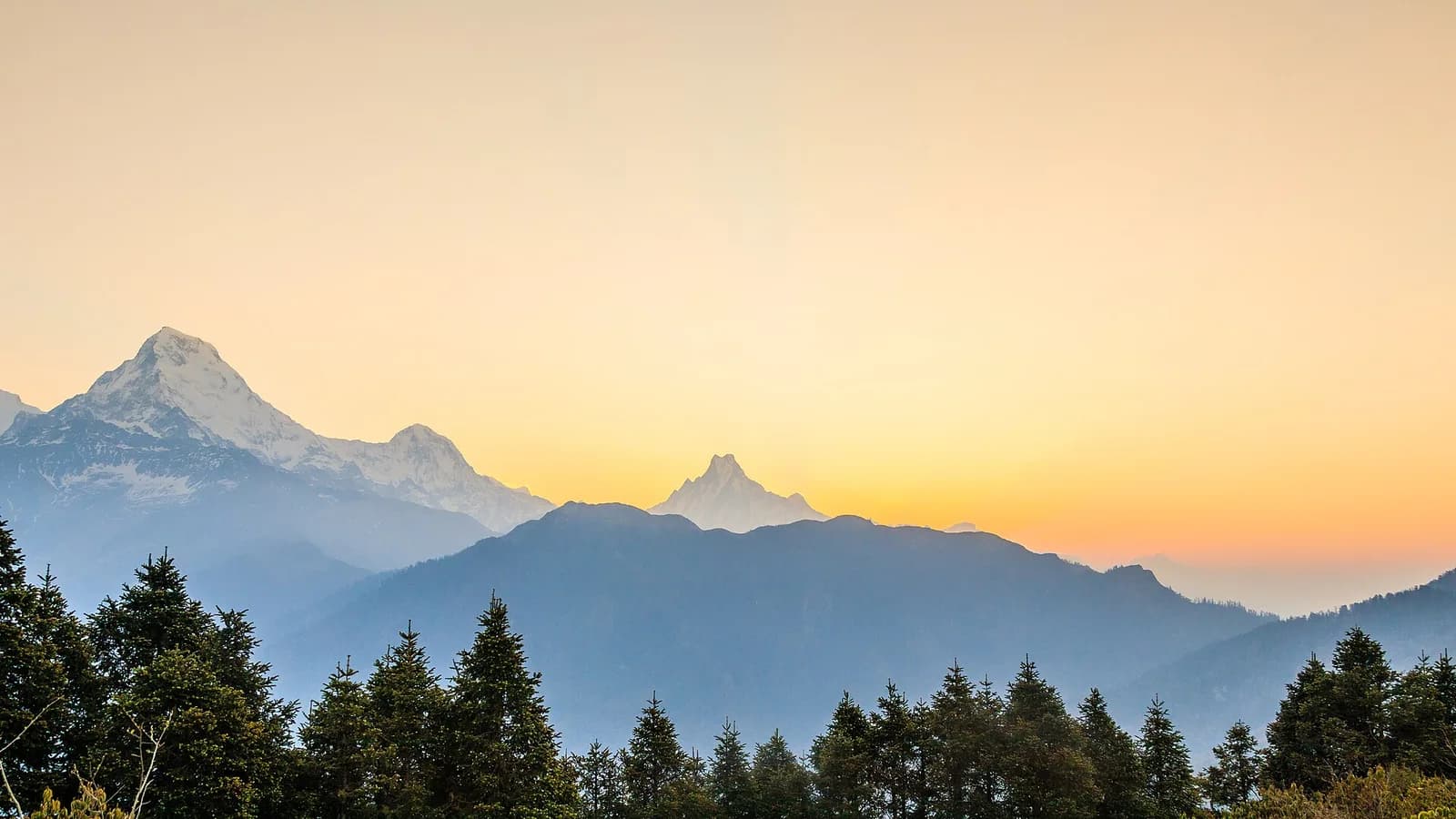
The Annapurna 100 is one of the most storied names in Himalayan endurance sport: a mountain ultra-trail race that, according to its organisers, has been run on and off since 1995, making it Nepal's original and oldest event of its kind. For travellers who love both the Annapurna region and the idea of moving fast and light through big mountains, the Annapurna 100 is a window into a side of Nepal that most trekkers never see — the same iconic trails, run rather than walked, from the foot of the high peaks all the way down to lakeside Pokhara.
This guide is written for visitors and curious trekkers, not just elite athletes. It pulls together what is publicly documented about the race — its history, where it goes, how long it really is, and how tough it has proven — while being honest about the details that change year to year. If you are weighing up a trip around the event, or simply want to understand it, here is a grounded, advertiser-neutral overview.
Key takeaways
- The Annapurna 100 is billed by its organisers as Nepal's original and oldest ultra-trail race, with roots going back to 1995.
- Recent and planned editions run from the Annapurna Base Camp area and finish in Pokhara, passing classic trekking country.
- The distance has varied: a recent edition was measured near 135 km, while organisers say they are redesigning the route toward a 100–105 km mountain ultra.
- It is a hard, remote event — in the recent ~135 km edition, organisers reported only a small handful of starters finished.
- The race is described as a non-profit effort, with teahouse logistics and helicopter-distance medical support.
- For current dates, route and entry fees, always check the official Annapurna 100 and Trail Running Nepal sites rather than older quotes.
A short history of Nepal's original ultra
Long before trail running became a global phenomenon, the Annapurna 100 was already sending runners into the Himalaya. The organisers trace the event back to 1995, which puts it among the oldest trail races anywhere in the mountains. Over three decades the course has been reshaped many times — partly to chase that elusive "true 100 km on trails" target, and partly because the Annapurna region itself has changed, with new roads and jeep tracks replacing footpaths that the race once used.
After a period of hibernation, including the disruption that affected events worldwide, the race was revived. Reviving it was not simple: keeping a genuine trail-running course in a region steadily being opened up to vehicles is, in the organisers' own words, an almost impossible task. That tension — wild mountain trails versus expanding road access — runs through the whole story of the Annapurna 100 and explains why its length and exact route keep evolving.
Who runs it, and why it is not a business
The organisers are clear that the Annapurna 100 is not a money-making venture. They state that nobody is paid to run it and nobody profits, and that any resources the event generates go toward supporting Nepalese runners and the local economy. That ethos — community first, sustainable sports tourism, and a showcase for home-grown Himalayan talent — is a big part of the race's identity and reputation.
The route: from the high mountains down to Pokhara
The defining feature of recent and planned editions is the line they draw across the landscape: starting up near Annapurna Base Camp and finishing in Pokhara, the lakeside city that is Nepal's trekking and adventure hub. In effect, runners cover in a continuous push what trekkers normally spread across many days on the Annapurna Base Camp trail.
Earlier courses have threaded through some of the most famous trekking areas in the country. Past routes have passed through Mardi Himal, Ghorepani and Poon Hill, with one course reaching its high point at roughly 3,500 m around Mardi Himal High Camp. These are names any Annapurna trekker will recognise, and they hint at the scenery on offer: ridge-top panoramas of the Annapurna range and the unmistakable fishtail summit of Machhapuchhre.
| Feature | What the organisers describe | | --- | --- | | Start (recent/planned) | Annapurna Base Camp area | | Finish | Pokhara | | Notable areas on past routes | Mardi Himal, Ghorepani, Poon Hill | | High point (one past route) | ~3,500 m at Mardi Himal High Camp | | Terrain | Mountain trekking trails, with some sections affected by roads |
If you want to understand the landscape the runners move through, our guides to the Annapurna Base Camp trek, the Mardi Himal trek and the Ghorepani Poon Hill trek cover the same ground at walking pace, with the viewpoints and villages described in detail.
How long is it, really?
The short answer: it depends on the year. The "100" in the name reflects the long-standing goal of a 100 km mountain ultra, but the actual measured distance has not always matched that round number.
After a recent edition was completed, organisers used satellite-assisted mapping apps to measure the course and adjudicated it at about 135 km — considerably longer than 100 km. Looking forward, they say the route is being carefully designed and GPS-tested to bring it back toward a true 100 km-class event, in the region of 100 to 105 km. There has also been talk of the redesigned route carrying meaningful elevation change and qualifying for international ranking points once certified, though exact figures depend on the final, certified course.
The practical takeaway for anyone considering the race is simple: treat the name as a guide, not a guarantee, and confirm the exact distance and elevation profile for the specific year on the official site before you commit.
Distance options in past editions
The Annapurna 100 has not always been a single ultra distance. A past edition offered two options — roughly a 50 km course and a 100 km course — with the longer route carrying the larger share of climbing. Offering a shorter option alongside the full ultra is common in mountain races, as it widens the field to strong runners who are not ready for a full 100 km day in the Himalaya. Whether a given year offers more than one distance is, again, something to verify with the organisers.
How hard is the Annapurna 100?
Make no mistake: this is a demanding event. It combines big vertical gain and loss with rough, remote mountain trails, variable weather and the thin air of altitude. A vivid measure of the difficulty comes from the recent edition measured at about 135 km, where organisers reported that of the field who started, only a small handful completed the course. In a sport where high attrition is normal on the toughest events, that still signals a serious challenge.
The logistics add to the difficulty. The organisers describe genuinely Himalayan conditions: trails that monsoon rains can wash out, teahouse accommodation rather than race-village comforts, and medical support that may be hours away by helicopter. None of this is a reason to avoid the event — it is part of the appeal for experienced mountain runners — but it does mean self-reliance, fitness and good judgement matter enormously.
Altitude, training and respect for the mountains
Because parts of past courses climb to around 3,500 m, altitude is a real factor. Even strong runners can be slowed or made unwell by gaining height quickly, and the consequences in a remote setting are more serious than at a city race. Anyone targeting the Annapurna 100 should arrive well trained for long days with sustained climbing and descent, and should understand the basics of acclimatisation and altitude illness. Our guide to altitude sickness in Nepal explains the warning signs and sensible precautions, and is worth reading before any high Annapurna objective.
Planning a trip around the race
For most international visitors, the Annapurna 100 will be one part of a broader Nepal trip rather than the only reason to come. Pokhara, the finish city, is the natural base: it is relaxed, scenic, and packed with cafes, lakeside hotels and outdoor activities. If you are building an itinerary, our overview of things to do in Pokhara covers the city beyond the race, from boating on Phewa Lake to sunrise viewpoints.
Permits and the usual Annapurna admin
Whether you run or trek, the Annapurna region has its own entry requirements. Independent details vary by activity and change over time, so anyone heading into the conservation area should confirm the current permit rules and fees before travelling. Our guide to Annapurna permit costs outlines what the standard trekking permits involve; race entrants should follow whatever the organisers specify for the event itself.
A note on dates and prices
You will notice this guide does not quote a fixed race date or entry fee. That is deliberate. Those details have changed across the event's long history, and publishing a stale figure would do more harm than good. The reliable approach is to use the official channels — the Annapurna 100 website and Trail Running Nepal — for the confirmed schedule, course and costs for the year you are considering. Listed below in Sources are the places to start.
Is the Annapurna 100 for you?
If you are an experienced trail or mountain runner drawn to history, wild scenery and a low-key, community-minded event, the Annapurna 100 is one of the most distinctive races in the Himalaya. If you are newer to high-altitude travel, there is no shame in experiencing these same trails on foot first — the Annapurna Base Camp and Poon Hill routes deliver the views without the racing clock. Either way, the appeal is the same: the Annapurnas up close, and the long, beautiful descent back to Pokhara.
Sources
- Annapurna 100 — official race site
- Annapurna 100 — Trail Running Nepal
- New Annapurna 100 — Trail Running Nepal
- The Annapurna 100: Trail Running in Nepal — American Trail Running Association
- Annapurna 100 event listing — ATRA / Trailrunner
- Annapurna 100 Ultra Trail Race — Welcome Nepal (Nepal Tourism Board)
- Hero image: Annapurna I by Wolfgang Beyer, Wikimedia Commons (CC BY-SA 3.0)
Frequently asked questions
- What is the Annapurna 100?
- It is a mountain ultra-trail running race in Nepal's Annapurna region, billed by its organisers as the country's original and oldest ultra. Recent editions start near Annapurna Base Camp and finish in Pokhara, and earlier years have offered both a roughly 50 km and a 100 km option on trekking trails.
- When did the Annapurna 100 start?
- According to the official race organisers, the event dates back to 1995, which makes it one of the longest-running trail races in the Himalaya. It paused for a few years and was later revived, with the course re-measured and redesigned to keep it close to a true mountain ultra.
- How long is the Annapurna 100 course?
- The distance has shifted over the years as roads and jeep tracks changed the trails. A recent edition was measured at about 135 km using satellite mapping tools, while organisers say the route is being redesigned and GPS-tested toward a 100 to 105 km mountain ultra. Always check the official site for the current year's figure.
- Where does the race go?
- Recent and planned editions run from the Annapurna Base Camp area down to Pokhara. Past courses have passed through well-known trekking areas such as Mardi Himal, Ghorepani and Poon Hill, with the high point on one route reaching roughly 3,500 m at Mardi Himal High Camp.
- Is the Annapurna 100 hard?
- Yes, it is a serious Himalayan ultra with thousands of metres of climbing and descent on rough mountain trails. In the recent edition that was measured at about 135 km, organisers reported that only a small handful of the runners who started actually finished, which gives a sense of the difficulty and the conditions.
- Do I need to be an elite runner to take part?
- You should be an experienced, well-trained trail or mountain runner who is comfortable with long days, big climbs and remote terrain. This is not a beginner event. If you are newer to the Himalaya, building up with trekking and shorter trail outings first is sensible, and you should read up on altitude before you go.
- How do I sign up and what does it cost?
- Entries are handled through the official Annapurna 100 and Trail Running Nepal websites, where the current dates, route and entry fee are published. Because details and prices change from year to year, check those official sources directly rather than relying on older figures quoted elsewhere.
- Is the Annapurna 100 a commercial event?
- The organisers describe it as a non-profit effort rather than a business, saying nobody profits from running it and that any proceeds support Nepalese runners and the local economy. Logistics are genuinely remote, with teahouse accommodation and medical help that can be hours away by helicopter.
Related posts
Annapurna Base Camp Helicopter Tour: Which Option?
An Annapurna Base Camp helicopter tour can be a seat-in landing flight, a private charter, or a trek-up fly-down combo. Here is how to pick the right one.
Read postGhorepani Poon Hill Trek: A Beginner's Guide
Plan the Ghorepani Poon Hill trek — the famous Poon Hill sunrise, route and itinerary, permits, costs and best season in the Annapurna foothills.
Read postKhopra Ridge Trek (Khopra Danda): Quiet Annapurna Balcony
A community-run, low-crowd alternative in the Annapurna region — ridge-top Dhaulagiri views, Khayer Lake, and village lodges that fund local schools.
Read post