Where to Buy Pashmina in Nepal: A Shopper's Map
Where to buy pashmina in Nepal — the best markets, fair-trade shops, certified emporiums and online options, plus how to avoid the airport markup.
The best pashmina rarely sits on the loudest street rack — it is one courtyard back, with a tag you can scan.
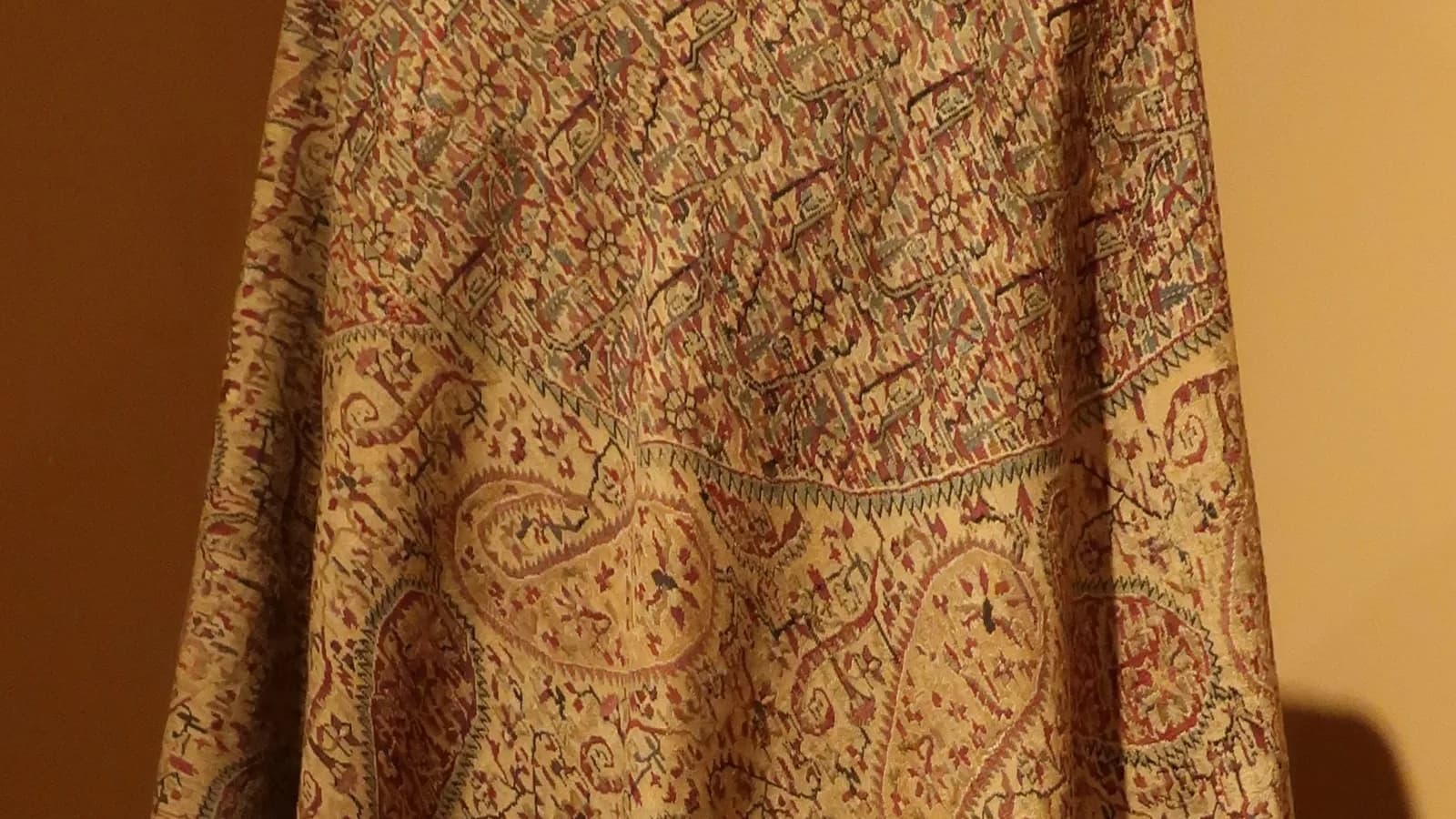
If there is one souvenir nearly every visitor wants to carry home from Nepal, it is a pashmina shawl — and knowing where to buy pashmina matters almost as much as knowing how to spot a fake. The same featherlight Himalayan cashmere can cost wildly different amounts, and carry wildly different odds of being genuine, depending on whether you buy it off a Thamel railing, in a certified emporium, from a fair-trade cooperative, or in an airport departure hall. This is a practical shopper's map: the districts, the shop types, the online route, and the trade-offs between bargaining and fixed prices.
This post is a companion to our deeper Pashmina Nepal: real vs fake buying guide, which covers the authenticity tests in detail. Here the focus is purely on location — where the good stuff actually is. Prices below are rough 2024-2025 ranges from Nepal-based sellers (sources at the end); rates and stock move, so treat them as calibration, not a fixed tariff.
Key takeaways
- Thamel and the Durbar Square lanes have the widest selection and the most bargaining — and the highest share of fakes, so the authenticity tests are essential there.
- Certified emporiums and fair-trade cooperatives (Mahaguthi, Sana Hastakala, Patan Fair Trade Center, Local Women's Handicrafts) sell at fixed prices with guaranteed fibre content and no haggling.
- Patan (Lalitpur) is a centuries-old artisan hub and arguably the best single area for handmade textiles.
- Look for the Chyangra Pashmina trademark — now a hologram-and-QR label with a serial number you can scan; it is registered as a mark in roughly 47 countries.
- Airport and hotel-lobby shops are convenient but usually pricier; shop in town earlier in your trip when you can.
- A real piece is never NPR 500; expect a quality shawl to cost meaningfully more.
The quick comparison
Different sellers suit different travellers. Here is the landscape at a glance.
| Where | Price level | Bargaining | Fake risk | Best for | |---|---|---|---|---| | Thamel street shops | Low-mid | Expected | High | Selection, browsing, deals if you test | | Durbar Marg / Lazimpat boutiques | Mid-high | Limited | Lower | Dedicated pashmina-only shops | | Hotel arcades | High | Minimal | Lower | Convenience, higher-end pieces | | Certified emporiums | Mid | None (fixed) | Very low | Guaranteed fibre, no haggling | | Fair-trade cooperatives | Mid | None (fixed) | Very low | Ethical sourcing, meeting makers | | Patan craft shops | Mid | Some | Lower | Handmade quality, artisan origin | | Airport departure shops | High | None | Lower | Genuine last-minute buys only | | Certified online (NPIA vendors) | Mid-high | None | Low | Buying before or after your trip |
Kathmandu: the market districts
Thamel and the Durbar Squares
Thamel is the tourist heart of Kathmandu, and its winding alleys hold hundreds of textile shops — the widest choice anywhere in the country. The lanes around Kathmandu's old Durbar Square are similar. The upside is selection and negotiable prices; the downside is that quality is genuinely mixed, and a large share of what is sold here as "pashmina" is synthetic or a heavy blend. This is the place to deploy every test in our real vs fake guide — feel for a matte (not shiny) finish, check it warms your skin in seconds, and look for the Chyangra tag.
A piece of street wisdom worth repeating: do not let a salesperson start unfurling shawl after shawl, and be wary of a shop where you are the only customer — both make it hard to leave without buying. Bargaining is part of the ritual, and knowing your numbers helps. Our Nepali numbers and bargaining guide gives you the phrases; counter-offering in rupees pronounced in Nepali tends to soften the opening price noticeably.
Durbar Marg, Lazimpat and the hotel arcades
If you would rather skip the curio-shop chaos, head to the dedicated pashmina shops clustered around upscale streets like Durbar Marg and Lazimpat, and the arcades inside higher-end hotels (the Annapurna and Yak & Yeti, for example). These tend to stock pashmina only — no trinkets — and the staff usually give better guidance on fibre and grade. Prices are higher and there is less room to haggle, but the odds of getting a genuine piece are better.
Patan (Lalitpur): the artisan quarter
Across the river in Patan, also called Lalitpur, you are in one of the Kathmandu Valley's three ancient cities and a centre for Newar craftsmanship that goes back centuries. For handmade textiles and metalwork alike, it is arguably the best single area to shop. Several fair-trade outlets operate here — the Patan Fair Trade Center produces and sells Nepali pashmina, handicrafts and tea while supporting local artisans, especially women, and nearby cooperative shops often tell you exactly where and by whom a piece was made.
If you are planning a half-day across the river, our Patan (Lalitpur) guide lays out the squares and the craft streets. Pashmina also features in our wider what to buy in Nepal round-up if you are stocking up on more than shawls.
Fair-trade and certified shops: fixed prices, no guesswork
For many travellers this is the sweet spot. Fair-trade cooperatives and government-certified emporiums sell at fixed, fair prices, so there is no bargaining and almost no fake risk — and the money is clearly accounted for, often funding training and wages for disadvantaged women.
A few well-regarded names:
- Mahaguthi — a long-running guaranteed fair-trade organisation selling Nepali handicrafts and textiles.
- Sana Hastakala — a fair-trade outlet popular for handmade Nepali crafts including pashmina.
- Patan Fair Trade Center — Patan-based, producing and selling pashmina and handicrafts.
- Local Women's Handicrafts — a well-reviewed collective on the western edge of Thamel that trains and employs disadvantaged women.
These shops also tend to be the easiest place to find the Chyangra Pashmina trademark label, the clearest single signal of genuine Nepali fibre. Government-certified shops sell at fixed prices specifically so you do not have to bargain, which suits anyone who finds the market dance stressful.
What the Chyangra label looks like now
The Chyangra Pashmina mark is backed by the Government of Nepal and the Nepal Pashmina Industries Association (NPIA), and is registered as a trademark in roughly 47 countries, including the EU, USA, Canada, Japan and Australia. Crucially, the government has rolled out a tamper-proof hallmark label carrying a hologram, a QR code and a unique serial number. You scan the code (or enter the tag number on the issuer's site) to verify the piece digitally. To carry the mark, products must meet strict standards — fibre diameter not exceeding 17 microns, and a minimum of 97% pashmina for a pure yarn (or at least 51% if blended) — so the tag is doing real work, not just decoration.
Buying online or near the airport
The NPIA vendor list and certified brands
You do not have to buy in person. The NPIA publishes a vendor list of member companies on its site, and several certified Nepali brands ship internationally. This is a sensible route if you want to buy before you arrive, or top up after you get home. Before paying, confirm the listing references the Chyangra trademark and states verifiable fibre content — the same standards that protect you in a shop apply online.
The airport: convenient, but pricier
Shops at Tribhuvan International Airport and in hotel lobbies are legitimate and usually sell genuine pieces, but they trade on convenience and tend to charge more than the city markets and cooperatives. Treat them as a last-minute backstop rather than your main plan. If a shawl is on your list, buy it earlier in the trip in town — you will pay less and have more choice. For broader help avoiding inflated tourist pricing, our Nepal tourist scams guide covers the textile markups you are most likely to meet.
Bargaining vs fixed prices: which route is right for you
There is no single best answer — it depends on temperament.
- Choose the markets (Thamel, Durbar Square, parts of Patan) if you enjoy haggling, want the widest selection, and are willing to run the authenticity tests yourself. Done well, you can land a genuine piece for a keen price.
- Choose fixed-price shops (certified emporiums, fair-trade cooperatives) if you would rather not negotiate, want guaranteed fibre content, and value knowing the maker was paid fairly. The starting price is often close to what a careful bargainer pays in the market anyway — with far less risk.
Either way, let the price be your sanity check. Authentic pashmina is rare and labour-intensive: a quality blend or entry-level pure piece typically lands around NPR 3,000-6,000 (about US$25-50 as of 2025), with hand-spun and hand-embroidered shawls well above that. A shawl marked NPR 500 and called "pure pashmina" is, realistically, synthetic — a fine cheap scarf, perhaps, but not the real thing.
A simple plan for a one-week trip
If you are short on time, here is a route that balances choice and safety:
- Browse early in Thamel to learn the range, feel real versus fake, and note styles you like — without buying on day one.
- Cross to Patan for a half-day; shop the fair-trade outlets there for handmade quality and clear provenance.
- Buy from a certified or fair-trade shop once you know what you want, so you lock in guaranteed fibre at a fixed price.
- Skip the airport for anything but a forgotten last-minute gift.
Base yourself within walking distance of the markets to make this easy — our where to stay in Kathmandu guide points you to the right neighbourhoods.
The bottom line
The where of buying pashmina is really a choice about how much risk and haggling you want. The markets reward effort and a sharp eye; the certified and fair-trade shops reward anyone who would rather pay a fair fixed price and walk out sure of what they own. Wherever you buy, look for the Chyangra hologram-and-QR label, ask for the fibre content in plain percentages, and remember that genuine pashmina is never the cheapest thing on the rack. For the full set of hand-and-eye authenticity tests, read our companion Pashmina Nepal real vs fake guide before you hand over any cash.
Sources
- Chyangra Trademark — Nepal Pashmina Industries Association
- Certification — Nepal Pashmina Industries Association
- Vendor List — Nepal Pashmina Industries Association
- Shopping for Pashmina in Kathmandu: A Complete Guide — Wandering Educators
- Best Markets for Handicrafts in Nepal — HIDMC
- Mahaguthi — Guaranteed Fair Trade Organization
- Pashmina Products — Trade and Export Promotion Centre, Government of Nepal
- What Is Chyangra Pashmina? Nepal's Finest Himalayan Cashmere Guide — Rita Cashmere
Frequently asked questions
- Where is the best place to buy pashmina in Kathmandu?
- Thamel and the lanes around the old Durbar Squares have the widest choice and room to bargain, while Durbar Marg, Lazimpat and the upmarket hotel arcades hold pricier dedicated shops. For fixed, fair prices and guaranteed fibre, buy from a government-certified emporium or a fair-trade cooperative such as Mahaguthi or Sana Hastakala.
- Is Patan a good place to buy pashmina?
- Yes. Patan (Lalitpur) has been a centre for Newar artisans for centuries and is excellent for handmade textiles, with fair-trade outlets like the Patan Fair Trade Center and nearby cooperative shops that often tell you exactly where a piece was made.
- Should I buy pashmina at the airport in Nepal?
- Only as a last-minute convenience. Airport and hotel-lobby shops are legitimate but tend to charge more than the city markets and cooperatives, so it is better to shop in town earlier in your trip if you can.
- How do I know a shop sells genuine pashmina?
- Look for the Chyangra Pashmina trademark tag, increasingly a tamper-proof hologram label with a QR code and serial number you can scan to verify. A seller who states the exact fibre content in percentages and can show certification paperwork is the safer bet.
- Can I buy certified Nepali pashmina online?
- Yes. The Nepal Pashmina Industries Association publishes a vendor list of member companies, and several certified Nepali brands ship internationally; just confirm the listing mentions the Chyangra trademark and verifiable fibre content before paying.
- Are fixed-price shops more expensive than bargaining in the market?
- Not necessarily. A fair-trade or certified shop removes the haggling and the fake risk, and its starting price is often close to what a careful bargainer pays in the market for a comparable genuine piece — with far less guesswork.
- What is a fair price for pashmina in Nepal?
- Genuine pashmina is never cheap; a quality blend or entry-level pure piece often lands around NPR 3,000 to 6,000 (about US$25 to 50 as of 2025), with hand-spun and embroidered shawls climbing well above that. A NPR 500 shawl is almost certainly synthetic.
- Do I need to bargain when buying pashmina?
- In the open markets, yes — opening prices are negotiable and counter-offering politely is expected. In certified emporiums and fair-trade cooperatives the price is fixed, so there is nothing to haggle over.
Related posts
Pashmina Nepal: Real vs Fake Buying Guide (2026)
How to buy real pashmina in Nepal — spot fakes, read the Chyangra trademark, understand grades and ply, and know what a genuine shawl actually costs.
Read postReal vs Fake Pashmina: The Verification Guide
How to tell real vs fake pashmina using the rub, static, pilling and burn tests, plus what Nepal's Chyangra trademark and GI standards actually certify.
Read postWhat to Buy in Nepal: Souvenirs & Where to Shop 2026
The best things to buy in Nepal — pashmina, singing bowls, khukuri, thangka and more — how to spot fakes, where to shop, and the export rules to know.
Read post