Nepal Tour From UK: A Practical Planning Guide
Planning a Nepal tour from the UK? Flights, visas, FCDO advice, ATOL/ABTA protection, the best seasons, and costs to verify before you book.
From a grey London morning to the white wall of the Himalaya — Nepal is closer than it feels.
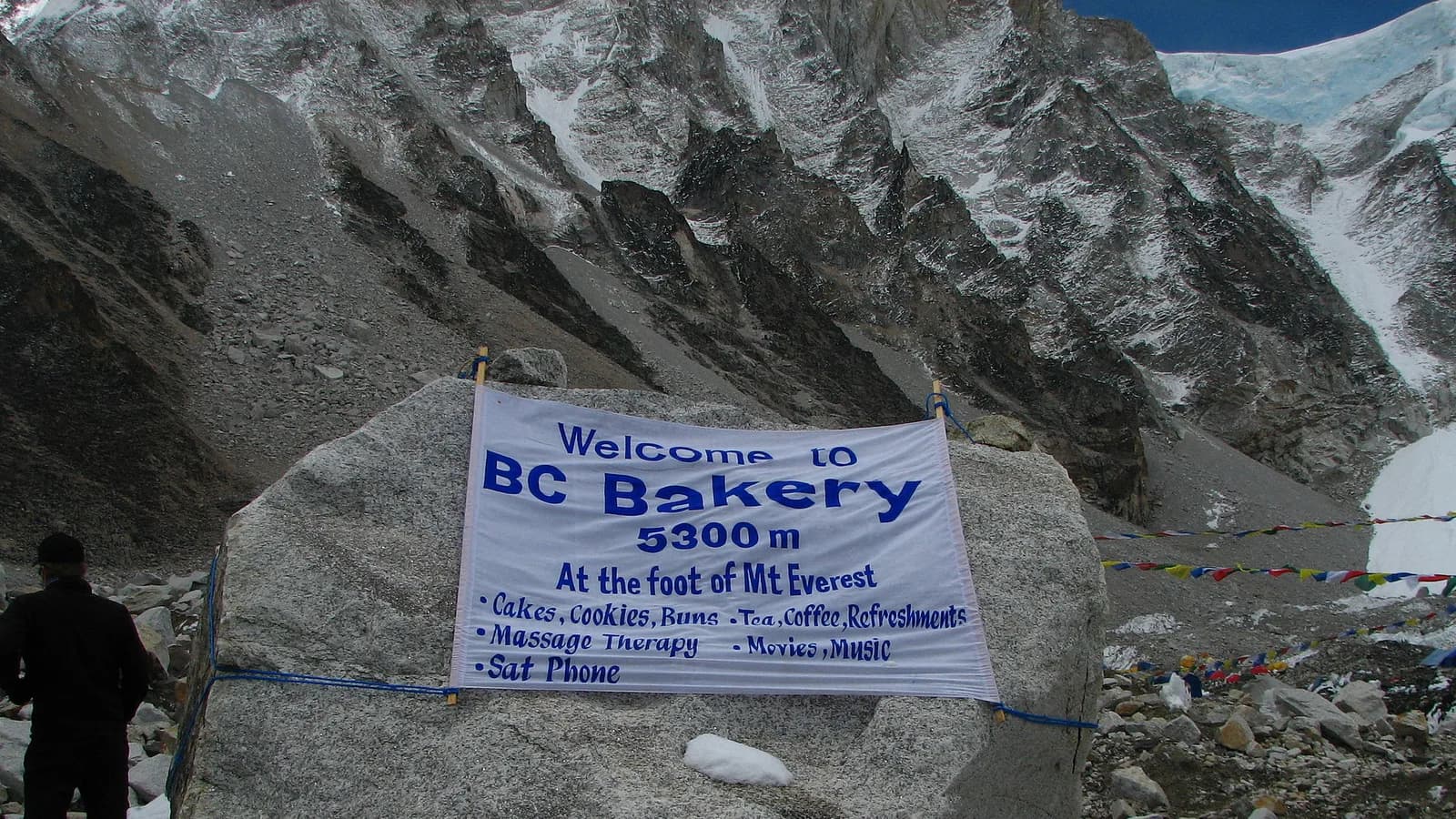
A Nepal tour from the UK is one of the great long-haul trips you can still arrange without enormous fuss: no direct flight, but plenty of one-stop options; a visa you can sort on arrival; and a country that rewards both a relaxed week of temples and lakes and a hard-earned fortnight on a Himalayan trail. The catch is that good planning matters more than for a short-haul beach break, because the journey is long, the altitude is real, and the price quotes you see online can hide as much as they reveal.
This guide walks through the practical decisions a British traveller actually faces — how to fly, what the visa costs, what UK consumer protection covers, when to go, and how to sanity-check a budget — using current official and reputable sources rather than guesswork.
Key takeaways
- There are no direct flights from the UK to Kathmandu; expect one stop and roughly 12 to 14 hours of travel on the quickest routings.
- British passport holders get a visa on arrival: USD 30 / 50 / 125 for 15 / 30 / 90 days respectively (as of June 2026), payable in US dollars.
- Booking a flight-inclusive package from a UK operator brings ATOL protection; keep the certificate you are issued.
- The FCDO sets out entry rules and requires you to carry travel insurance covering healthcare and repatriation.
- Autumn and spring are the prime seasons for clear mountain views; the monsoon (June to August) is poor for trekking.
- Give Nepal at least 10 to 14 days so the long journey is worth it, and fix your non-negotiable costs (visa, permits, flights, insurance) before comparing tour prices.
Flights from the UK to Kathmandu
The single most important thing to know is that no airline flies non-stop between the UK and Nepal. Every routing involves at least one connection through a hub, so your choice is really about which stopover suits you.
Typical routes and airlines
Carriers commonly used by UK travellers include Qatar Airways via Doha, Turkish Airlines via Istanbul, Air India via Delhi, and Gulf carriers such as Emirates. According to flight-routing data, the fastest connections from London reach Kathmandu in around 12 hours 35 minutes via Istanbul or about 13 hours 30 minutes via Delhi, with total door-to-door time depending heavily on your layover length.
| Hub | Example carrier | Indicative fastest travel time | | --- | --- | --- | | Istanbul | Turkish Airlines | ~12h 35m | | Delhi | Air India | ~13h 30m | | Doha | Qatar Airways | One-stop, varies by layover |
Treat these as ballpark figures from aggregators, not guarantees — schedules and times shift, so confirm with the airline when you book. Prices swing with season and demand, so the practical tip is to compare a couple of hubs and book the autumn peak well ahead.
Where you land
Almost all international flights arrive at Tribhuvan International Airport (KTM) in Kathmandu. From there, many itineraries add a short domestic hop — for example a Kathmandu to Pokhara flight — or the famous mountain flight into Lukla for Everest treks. If you would rather stay on the ground, the Kathmandu to Pokhara tourist bus is a popular budget alternative.
Visas for UK citizens
Nepal makes entry straightforward for British travellers, which is one reason it remains such an accessible long-haul destination.
How to get the visa
UK citizens are eligible for a tourist visa on arrival at Tribhuvan International Airport and at major land border crossings. Per the UK government's entry-requirements guidance, you can apply online for the visa on arrival up to 15 days before you travel, then collect and pay at the airport; alternatively, you can obtain a tourist visa in advance from the Nepal Embassy in London. Your passport must be valid for at least six months beyond your date of entry.
Visa fees
The Department of Immigration sets visa-on-arrival fees in US dollars:
| Duration | Fee (USD, as of June 2026) | | --- | --- | | 15 days | USD 30 | | 30 days | USD 50 | | 90 days | USD 125 |
Visa-on-arrival fees are payable in US dollars, and the visa carries a multiple re-entry facility. Tourists may stay a maximum of 150 days in a calendar year. If you need longer, extensions are handled in-country; for the mechanics and current charges see our guide to extending a Nepal tourist visa. For a UK-specific walkthrough, our Nepal visa for UK citizens post covers the details. Always carry the fee in cash US dollars as a backup even where card payment is offered.
FCDO advice, health, and insurance
Before any long-haul trip, the Foreign, Commonwealth and Development Office (FCDO) travel advice for Nepal is the document to read, because it is the official UK government position on entry rules, safety, and health.
Entry and health requirements
The FCDO notes that you must hold a visa, that your passport needs at least six months' validity, and that a yellow fever or polio vaccination certificate is required only if you are arriving from a country flagged as a transmission risk. Nepal has removed the pandemic-era requirement to show proof of COVID-19 vaccination or a negative test on arrival.
For vaccines and health risks specifically, check the NHS-linked TravelHealthPro country page well in advance, since some recommended jabs need a course of doses. Our overview of vaccinations for Nepal summarises the common recommendations, but it is not a substitute for personalised advice from a travel clinic or GP.
Travel insurance is mandatory
This is not optional box-ticking: the FCDO states that you must have a travel insurance document covering healthcare costs, including repatriation and other emergencies, while in Nepal. For trekkers the bar is higher still — a routine policy may not cover a helicopter evacuation from altitude, which can be extremely expensive, so confirm your policy explicitly includes high-altitude rescue and the maximum elevation of your trek.
Booking with UK consumer protection
One genuine advantage of arranging a Nepal trip from the UK is the consumer protection that comes with booking through a UK operator — provided you understand what it does and does not cover.
ATOL and ABTA explained
ATOL (Air Travel Organiser's Licence) covers most flight-inclusive package holidays sold in the UK. If the company fails, the Civil Aviation Authority refunds travellers who have not yet departed and arranges flights home for those already abroad, along with covering protected elements such as accommodation. When you book a flight-inclusive package you should receive an ATOL certificate — keep it, because without it your trip may not be protected.
ABTA offers comparable financial protection for many non-flight arrangements and provides a complaints and arbitration framework. Major UK operators selling Nepal holidays typically carry both. The simple rule: if flights are part of your package, look for ATOL; if you book land arrangements separately, check how that portion is protected.
Package versus independent
Many Nepal trips sold in the UK are "land only", starting when you land in Kathmandu, with international flights booked separately. That can be cheaper and more flexible, but it usually sits outside ATOL, so weigh the protection of a full package against the savings of a do-it-yourself trip. Our guide to Nepal tour packages explains what is typically bundled versus excluded.
Best time to go
Because you are travelling so far, timing your visit to the weather pays off more than usual.
The two peak seasons
Reputable trekking sources agree the prime windows are autumn (around September to November) and spring (March to May). October and November are widely regarded as the best of all for the classic Himalayan routes, with crisp air, generally stable conditions, and clear mountain views — daytime temperatures in the lower Annapurna region often sit around 15°C, with nights near or just above freezing. The trade-off is crowds: flights to Lukla, popular teahouses, and key viewpoints all get busy.
Spring brings warmer days, long daylight, and hillsides of blooming rhododendron, with March and April often cited as the sweet spot for combining flowers, stable weather, and good visibility.
Seasons to approach with care
The monsoon runs roughly from late May to the end of August, bringing heavy rain that makes most trekking unfavourable, though rain-shadow regions like Mustang stay drier. Winter (December to February) is cold at altitude with snow on high passes, but lower-elevation culture trips and shorter treks remain feasible on clear afternoons. Our best time to visit Nepal guide breaks this down month by month.
Building a realistic itinerary and budget
A Nepal tour from the UK splits naturally into two styles, and many travellers combine both.
Culture or trekking — or both
A culture-focused trip easily fills a week: the UNESCO-listed Kathmandu Valley, lakeside Pokhara, and the jungle safaris of Chitwan. A trekking trip needs more time on the ground — classic routes such as Everest Base Camp or Annapurna Base Camp generally run to around two weeks once you factor in acclimatisation. Given that the return journey consumes the best part of two days, planning for at least 10 to 14 days in Nepal makes the long flights worthwhile.
Fix the fixed costs first
Tour prices are hard to compare because operators include different things, so the disciplined approach is to nail down your non-negotiable costs before judging any quote:
| Cost item | Notes | | --- | --- | | International flights | One-stop from the UK; varies by season and hub | | Nepal visa | USD 30 / 50 / 125 for 15 / 30 / 90 days (as of June 2026) | | Travel insurance | Mandatory; trekkers need altitude and helicopter cover | | Trekking permits | Required for most trekking regions | | Licensed guide | Required for national parks and conservation areas |
Once those are set, you can see clearly what a tour operator is adding on top. For a fuller breakdown of on-the-ground spending, see how much a trip to Nepal costs and our note on trekking permits. Remember that since 2023, foreign trekkers must use a licensed guide through a registered agency in national parks and conservation areas, so for the mountains a guided trek or package is effectively required rather than optional.
Sources
- GOV.UK — Nepal entry requirements (FCDO)
- GOV.UK — Nepal travel advice: Health (FCDO)
- Nepal Department of Immigration — Visa on Arrival
- Nepal Department of Immigration — Tourist Visa
- Embassy of Nepal, London — Visa
- Flight Routes — London (LHR) to Kathmandu (KTM)
- ABTA — Is my money protected?
- ATOL — What does ATOL protection mean?
- Lonely Planet — The best time to visit Nepal
- TravelHealthPro (NaTHNaC) — Nepal
Frequently asked questions
- Are there direct flights from the UK to Nepal?
- No. There are no direct flights between the UK and Kathmandu, so you fly with one stop through a hub such as Doha, Istanbul, Delhi, or the Gulf. The quickest routings reach Kathmandu in roughly 12 to 14 hours of travel, depending on the connection.
- Do UK citizens need a visa for Nepal?
- Yes, but it is easy. British passport holders can get a tourist visa on arrival at Kathmandu airport or major land borders, or apply online up to 15 days before arrival and pay at the airport. You can also collect one in advance from the Nepal Embassy in London.
- How much is a Nepal tourist visa for a British traveller?
- Nepal charges a visa-on-arrival fee in US dollars: USD 30 for 15 days, USD 50 for 30 days, and USD 125 for 90 days (as of June 2026). Bring the fee in cash US dollars as a reliable backup, even if card payment is offered.
- When is the best time to travel to Nepal from the UK?
- Autumn (roughly October to November) and spring (March to May) bring the clearest mountain views and the most stable weather, which makes them the busiest seasons. Avoid the June to August monsoon for trekking, and expect cold, clear winters at altitude.
- What does ATOL or ABTA protection mean for a Nepal package?
- If you book a flight-inclusive package from a UK operator, ATOL protection refunds you or flies you home if the company fails before or during your trip. ABTA offers similar cover for many non-flight bookings. Always keep the ATOL certificate you are issued.
- How long do I need for a Nepal trip from the UK?
- Because the journey eats up the best part of two days return, most people give Nepal at least 10 to 14 days on the ground. A culture-only trip around Kathmandu, Pokhara, and Chitwan works in a week, while classic treks such as Everest or Annapurna Base Camp need closer to two weeks.
- Do I need vaccinations or insurance for Nepal?
- Check NHS and TravelHealthPro advice well before you fly, as routine and travel vaccines may be recommended. Nepal also legally requires you to carry travel insurance covering healthcare and repatriation, and trekkers should confirm it includes high-altitude helicopter evacuation.
- Can I trek independently or do I need a guide?
- City sightseeing and walks near towns are fine alone, but since 2023 foreigners must trek with a licensed guide through a registered agency in national parks and conservation areas. Book a guided trek or a package for the classic Himalayan routes.
Related posts
Nepal 90 Day Visa: Cost, Rules, and How to Get It
A clear guide to the Nepal 90 day visa — the USD 125 fee, multiple-entry rules, the 150-day annual cap, and how to get it on arrival in 2026.
Read postNepal Tour Packages: What's Inside & How to Choose
A practical guide to Nepal tour packages — what they include, typical routes, costs to verify, and how to book a licensed operator without overpaying.
Read postAnnapurna Trek Package: How to Choose One in 2026
A practical guide to picking an Annapurna trek package in 2026 — durations, what is included and excluded, permits, the guide rule, and how to compare quotes.
Read post