Kathmandu to Pokhara Private Vehicle: Cost & Tips
How to hire a Kathmandu to Pokhara private vehicle — car, SUV or Hiace van costs, travel time, stops, and road-safety tips for tourists.
A private vehicle turns a long highway slog into a flexible, stop-where-you-like road trip.
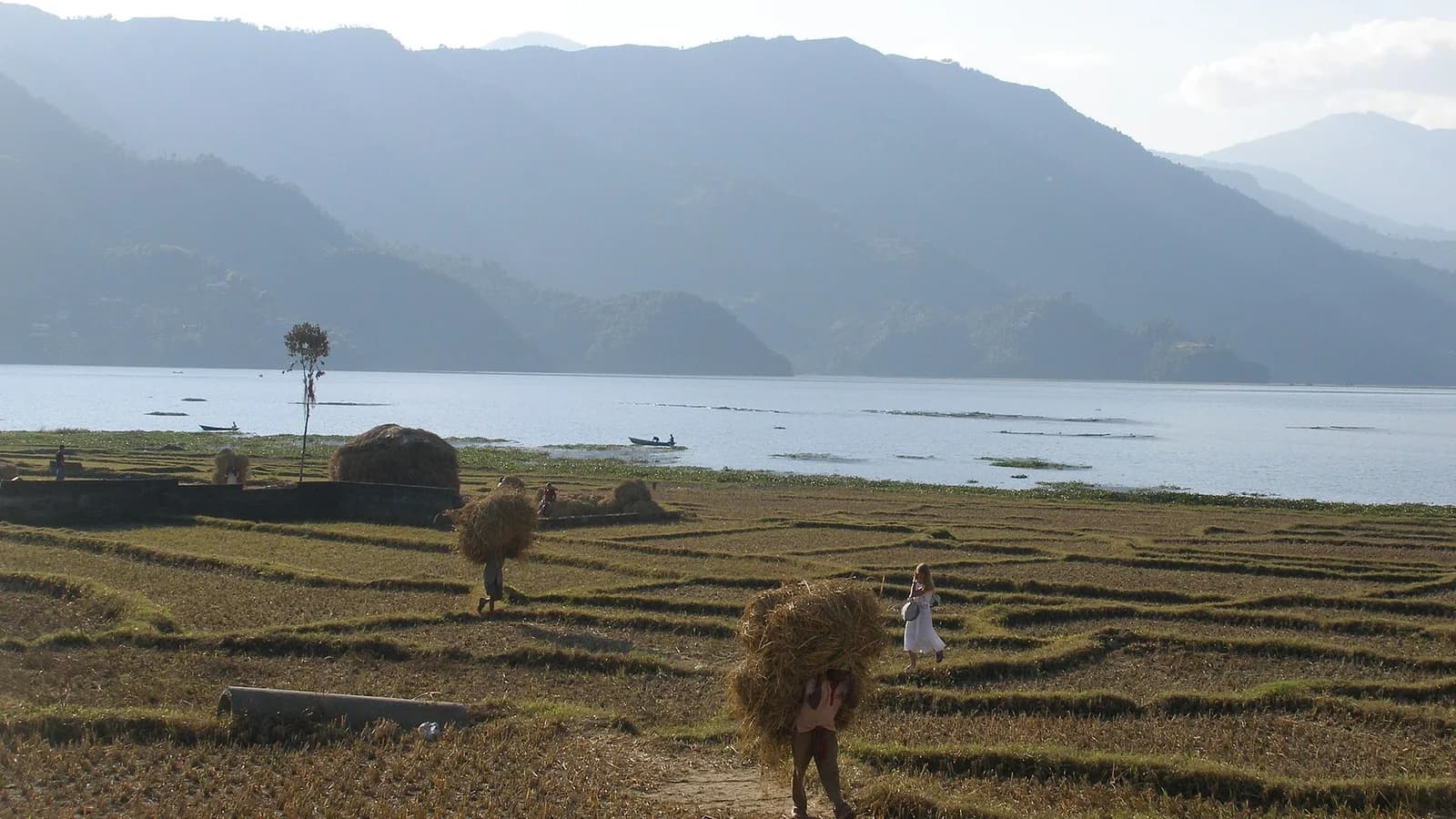
Hiring a Kathmandu to Pokhara private vehicle is the most flexible way to cover Nepal's busiest tourist road. Instead of a fixed bus schedule or a weather-dependent flight, you get a car, SUV, or van with a driver, the freedom to stop where you like, and door-to-door service between your two hotels. This guide covers what it costs, how long it takes, which vehicle to pick, where to stop, and how to stay safe on a highway that is as scenic as it is unpredictable.
Key takeaways
- A private vehicle from Kathmandu to Pokhara is a driver-included service; self-drive options are limited in Nepal.
- One-way car rates are commonly quoted in the USD 100-160 range (around NPR 17,800 for a sedan; from about NPR 26,000 for a Hiace van), as of late 2025 — always reconfirm.
- The drive runs roughly 200 km along the Prithvi Highway and usually takes 6-8 hours in normal conditions.
- The highway is landslide-prone, especially in the monsoon, so check road and weather updates before you set off.
- The big advantage over a bus is flexibility: you can detour to Manakamana, Bandipur, or a quiet lunch stop.
What "private vehicle" means in Nepal
When operators advertise a private car or van for this route, they almost always mean a vehicle with a professional driver. Several Nepali rental companies state plainly that you cannot rent a car without a driver, so "car hire" here bundles the vehicle and the driver's costs together.
That is generally good news for visitors. The Prithvi Highway has narrow lanes, blind curves, heavy truck and bus traffic, and frequent overtaking — conditions that are demanding even for experienced local drivers. Letting a driver who knows the road handle it lets you watch the river gorges and terraced hills instead of the oncoming traffic.
A private vehicle also means the trip is yours alone: no co-passengers, no fixed departure time, and the ability to ask the driver to pull over for photos, snacks, or a temple visit.
How much does it cost?
Prices vary by vehicle type, season, and operator, so treat all figures as indicative and reconfirm before booking. Based on rates published by Nepali tour and vehicle-rental companies (as of late 2025):
| Vehicle | Typical capacity | Indicative one-way price | Notes | |---|---|---|---| | Car / sedan | Up to ~4 passengers | ~USD 100-160 / around NPR 17,800 | Best for couples or small groups with light luggage | | SUV / jeep | Up to ~6-7 passengers | Varies by operator | Higher clearance, handy in rough conditions | | Toyota Hiace van | Up to ~14 passengers | From ~NPR 26,000 | Most economical per head for larger groups |
One operator quotes a flat USD 150 per trip for a car one-way, while a broader scan of providers puts the car range at roughly USD 100-160. For the Hiace, a published rate starts from about NPR 26,000 and is described as including the vehicle, fuel, and the driver's salary, food, and accommodation.
What's usually included — and what to confirm
Reputable operators typically fold the following into the quoted price:
- The vehicle and fuel
- The driver's wage, meals, and overnight stay (relevant for multi-day hires)
Always ask, in writing, whether the quote also covers:
- Highway tolls and parking fees
- Any sightseeing detours (for example, the Manakamana cable car parking)
- Waiting time if you want a leisurely lunch or extra stops
- Your own meals and entry tickets (these are normally not included)
Currency note: prices above are stamped as of late 2025. The Nepali rupee and operator pricing both move, so a fresh quote is the only reliable number.
How long is the journey?
The Prithvi Highway (designated NH17) runs about 174 km between Naubise and Pokhara, and the full door-to-door distance from central Kathmandu is commonly cited at around 200 km. In normal conditions, expect:
- Best case: roughly 6 hours
- Typical: 6-8 hours
- Worst case: 10+ hours when landslides, breakdowns, or festival traffic intervene
The highway is a two-lane single carriageway, not a full expressway, so progress depends heavily on traffic and road works. An early-morning start gives you the best shot at arriving in Pokhara by mid-afternoon with daylight to spare. For a full comparison of every option, see our Kathmandu to Pokhara transport breakdown.
Choosing the right vehicle
The right choice comes down to group size, luggage, and budget.
Car or sedan
Ideal for one to four people travelling light. It is the cheapest private option and comfortable enough on the paved sections, though a low sedan can feel every pothole on rougher stretches.
SUV or jeep
A good middle ground for small groups or anyone wanting extra ground clearance. SUVs handle broken pavement and any short detours better than a sedan, at a higher price.
Toyota Hiace van
The workhorse for larger groups, families, or trekking teams. With space for up to roughly 14 passengers plus luggage, the per-person cost can undercut a car when the seats are full. It is also the natural pick if you are heading on to a trek and carrying duffel bags.
If you are weighing the private vehicle against cheaper alternatives, our guides to the Kathmandu to Pokhara tourist bus and the Kathmandu to Pokhara flight lay out the trade-offs.
Stops worth making along the way
The single biggest reason to pay for a private vehicle is the freedom to stop. A few highlights you can add to the route:
Manakamana cable car
About midway, a cable car climbs to the hilltop Manakamana temple, one of Nepal's most visited shrines. It is an easy add-on and a chance to stretch your legs. Read more in our Manakamana cable car guide.
Bandipur
A short detour off the highway leads to Bandipur, a preserved Newari hill town with car-free lanes, mountain views, and old trading-post architecture. It makes a relaxed lunch or even an overnight break. See our Bandipur guide.
Mugling and the river gorges
Mugling sits at the confluence of highways and is the classic lunch stop, lined with riverside restaurants. The road here follows the Trishuli and Marsyangdi rivers — prime rafting country and a scenic stretch to slow down for.
A typical roadside meal runs only a few hundred rupees, so the main "cost" of stopping is time. With a private vehicle, that time is yours to spend.
Road conditions and safety
Be realistic about the highway. It is the country's main east-west tourist artery and carries a heavy daily load — reporting puts traffic on the Prithvi and connected routes at roughly 10,000 to 15,000 vehicles a day, with closures that can last hours during the monsoon and even in drier months.
Monsoon and landslides
The Prithvi Highway is repeatedly described as landslide-prone, and in 2025 a technical team flagged numerous high-risk landslide zones along the Dhading section toward Kathmandu. During and after heavy rain (roughly June to September), blockages near sections such as Narayanghat-Muglin and Fishling have closed the road, sometimes for many hours. When that happens, reopening times are uncertain.
Authorities routinely urge travellers to check weather forecasts and road updates before setting out. Practical steps:
- Travel early in the day to leave buffer time for any delay.
- Ask your operator or hotel for the latest road status the day before, especially in the monsoon.
- Keep your plans flexible if you are travelling in the rainy season.
For more on driving conditions generally, see is it safe to drive in Nepal.
Choosing a reliable operator
Because the driver is doing the hard work, the operator matters. Look for companies with clear, written quotes, recent reviews, and a transparent breakdown of what is and isn't included. A slightly higher price for a well-maintained vehicle and a careful driver is worth it on this road.
Private vehicle vs the alternatives
How does a private vehicle stack up against the other ways to reach Pokhara?
| Option | Speed | Cost | Flexibility | Best for | |---|---|---|---|---| | Private vehicle | 6-8 hrs | Higher | Highest — stops on demand | Families, groups, comfort seekers | | Tourist bus | 7-8 hrs | Low | Fixed schedule and stops | Budget travellers, solo backpackers | | Flight | ~25 min + transfers | Highest per minute saved | Low — weather-dependent | Tight schedules |
A flight is unbeatable on raw speed at around 25 minutes in the air, but it is weather-sensitive and you miss the landscape entirely. The tourist bus is the budget standard. The private vehicle sits in between on price while winning clearly on comfort, privacy, and the ability to turn the drive into a sightseeing day.
A few Nepali phrases for the road
Even with an English-speaking driver, a little Nepali smooths the trip:
- Kati paisa? — "How much?"
- Kati ghanta lagchha? — "How many hours will it take?"
- Yahaan rokna sakinchha? — "Can we stop here?"
- Bistaari jaane — "Let's go slowly."
- Dhanyabad — "Thank you."
You can build on these in our basic Nepali phrases guide.
Final tips
- Get a written quote that lists vehicle type, route, stops, and exactly what is included.
- Start early to beat traffic and leave room for delays.
- In the monsoon, confirm the road is open before you commit to the drive.
- Carry water, snacks, and any motion-sickness tablets for the winding sections.
- Once you arrive, our Pokhara guide covers what to do at Lakeside.
A private vehicle is rarely the cheapest way to reach Pokhara, but for comfort, privacy, and the freedom to make the journey part of the trip, it is hard to beat.
Sources
- Prithvi Highway — Wikipedia
- Kathmandu to Pokhara by Private Car — Nepal Trek Adventures
- Toyota Hiace Rental in Nepal — Vehicle Nepal
- Van Rental in Nepal (Toyota Hiace) — Life Dream Adventure
- Authorities urge public to avoid Narayanghat-Muglin road and Prithvi Highway amid landslide risk — The Kathmandu Post
- Technical team flags 16 high-risk landslide zones on Nagdhunga-Muglin road — The Kathmandu Post
- Prithvi Highway reopens after 16-hour blockage near Jawang Khola — The Kathmandu Post
Frequently asked questions
- How much does a Kathmandu to Pokhara private vehicle cost?
- Reported one-way rates run roughly USD 100-160 for a car, with operators quoting around NPR 17,800 for a sedan and from about NPR 26,000 for a Toyota Hiace van (as of late 2025). Always confirm the current rate with the operator before booking.
- How long does the drive from Kathmandu to Pokhara take?
- Plan on roughly 6 to 8 hours via the Prithvi Highway in normal conditions. Traffic, breakdowns, landslides, and festival congestion can push it well beyond that, so build in a buffer.
- Can I rent a self-drive car for this route?
- Most tourist car hire in Nepal comes with a driver, and operators commonly note you cannot rent a car without a driver. Self-drive options are limited, so for this highway a driver-included vehicle is the standard and safer choice.
- What is included in the private vehicle price?
- Operators typically state the quote covers the vehicle, fuel, and the driver's salary, food, and accommodation. Confirm whether tolls, parking, and any sightseeing detours are included before you depart.
- How many people fit in each vehicle type?
- A car usually seats up to about four passengers, an SUV up to around six or seven, and a Toyota Hiace van commonly carries up to roughly 14, though seating and luggage limits vary by operator.
- Is the Prithvi Highway safe to drive?
- It is the main paved route and heavily used, but it is landslide-prone and has narrow, winding sections. During the monsoon especially, check road and weather updates before travelling, as closures and delays are common.
- Can I stop at Manakamana or Bandipur on the way?
- Yes. A private vehicle lets you add stops such as the Manakamana cable car, the hilltop town of Bandipur, or a riverside lunch at Mugling, which is one of the main advantages over a fixed-schedule bus.
- Is a private vehicle better than the tourist bus or a flight?
- It depends on your priorities. A private vehicle costs more than the bus but adds comfort, privacy, and flexible stops; a flight is far faster at around 25 minutes but is weather-dependent and skips the scenery.
Related posts
Kathmandu to Pokhara Bus: 2026 Road & Booking Update
A 2026 update on the Kathmandu to Pokhara bus — how the highway widening changed the trip, current fares, and how to choose between bus, flight and car.
Read postKathmandu to Pokhara by Car: A Practical Guide
Going Kathmandu to Pokhara by car? Real distance, driving time, private-hire costs, the Prithvi Highway route, stops, and monsoon road tips.
Read postKathmandu to Pokhara Tourist Bus: Times & Fares 2026
The Kathmandu to Pokhara tourist bus — real journey time, fares, where it leaves from, premium options, safety, and how it compares to the flight in 2026.
Read post