Is Marijuana Legal in Nepal? Laws Tourists Must Know
Is marijuana legal in Nepal? No - cannabis is illegal for tourists and locals alike. Here is what the law says, the penalties, and the cultural context.
You will see it everywhere in Thamel, but the law has not budged - cannabis is still illegal in Nepal.
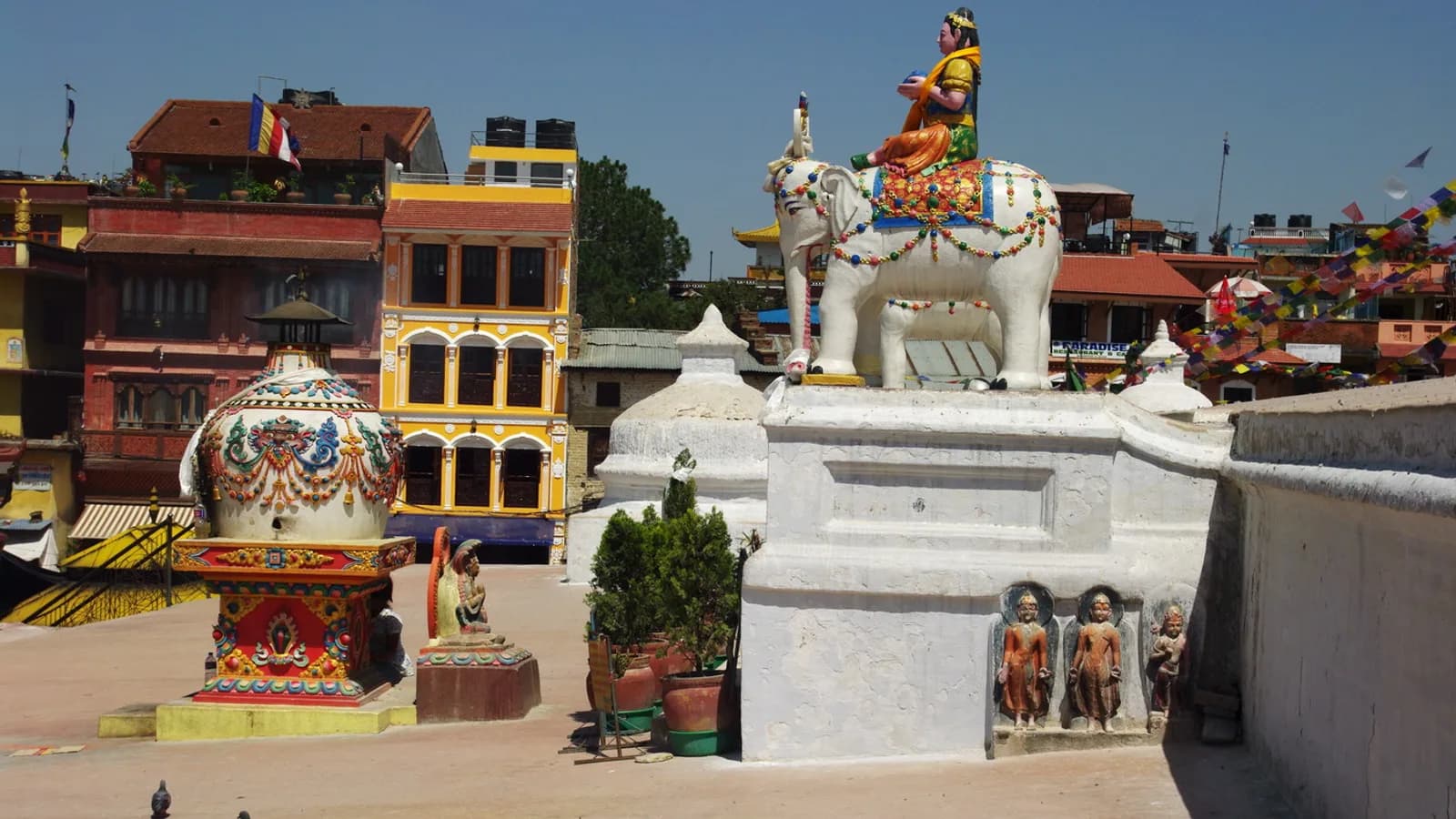
If you are planning a trip to Kathmandu or the Annapurna region, you may have heard old stories about "hippie trail" hash shops and wondered: is marijuana legal in Nepal today? The short answer is no. Despite the country's deep cultural and religious history with cannabis, and despite how openly it is offered to tourists in places like Thamel, marijuana is illegal in Nepal for both locals and visitors. This guide explains exactly what the law says, the penalties you could face, the cultural exceptions you may have read about, and how to stay out of trouble.
Key takeaways
- Cannabis (marijuana, ganja, charas, hashish) is illegal in Nepal under the Narcotic Drugs (Control) Act, 2033.
- The law applies equally to foreign tourists - there is no special tolerance for visitors.
- Open availability in Thamel does not mean it is legal; police run undercover stings and many "dealers" are informants.
- Ritual cannabis use by sadhus during Maha Shivaratri at Pashupatinath is a narrow religious exception, not a green light for tourists.
- As of mid-2026, Nepal had not passed a national recreational or medical cannabis law, though provincial and local hemp proposals are emerging.
- Penalties scale with quantity, from small fines and short jail terms up to multi-year sentences for trafficking.
So, is marijuana legal in Nepal?
No. Recreational cannabis is prohibited in Nepal. The governing law is the Narcotic Drugs (Control) Act, 2033 B.S. (1976 A.D.), which lists cannabis alongside other controlled narcotics and bans its cultivation, production, preparation, purchase, sale, distribution, import, export, trafficking, storage, and consumption.
That covers essentially every way you might interact with the plant. There is no licensing scheme for personal recreational use, no decriminalised "possession threshold," and no tourist carve-out. If you are caught with cannabis, you are breaking Nepali law - full stop.
This matters because Nepal's reputation can be misleading. The country was a famous stop on the 1960s and 1970s overland "hippie trail," when Kathmandu's Freak Street had legal, government-licensed hash shops. That era ended decades ago, and the legal reality today is very different from the nostalgia.
A quick history: from legal hash shops to a national ban
Cannabis has grown wild across Nepal's hills for centuries and was woven into Hindu religious life long before any drug laws existed. As recently as the early 1970s, cannabis was sold legally in licensed shops, and personal cultivation and use were unrestricted.
That changed in 1973, when Nepal cancelled the licenses of cannabis shops, dealers and farmers - a move widely attributed to international pressure, including from the United States, during the global "war on drugs." A few years later, the Narcotic Drugs (Control) Act, 2033 was enacted (it came into force on 22 September 1976), formally criminalising the cannabis trade and consumption.
So the plant did not disappear - it simply moved underground. Understanding this history helps explain why you will still see cannabis growing by the roadside and being offered on the street, even though selling and using it is now a crime.
What are the penalties? A breakdown by quantity
Penalties under the Act generally scale with the amount involved and whether the offence is consumption, cultivation, or trafficking. The figures below come from legal summaries of the Narcotic Drugs (Control) Act and are best treated as a general guide - exact charges depend on the case, and fine amounts set in the 1970s are modest in today's terms.
Consumption and personal possession
| Offence | Typical penalty | |---|---| | Consuming cannabis | Up to about 1 month in jail and a fine on the order of NPR 2,000 (small by modern standards), with stiffer penalties for repeat offences |
A small fine may sound trivial, but an arrest, detention, and a criminal record in a foreign country - plus the time, legal costs, and disruption to your trip - are anything but trivial.
Cultivation
| Amount grown | Typical penalty | |---|---| | Up to 25 plants | Up to ~3 months jail or a fine around NPR 3,000 | | More than 25 plants | ~3 months to 3 years jail and a fine roughly NPR 5,000-25,000 |
Sale, distribution and trafficking
| Quantity | Typical penalty | |---|---| | Up to 50 g | Up to ~3 months jail or a fine around NPR 3,000 | | 50 g - 500 g | ~1 month to 1 year jail and a fine around NPR 1,000-5,000 | | 500 g - 2 kg | ~6 months to 2 years jail and a fine around NPR 2,000-10,000 | | 2 kg - 10 kg | ~1 to 3 years jail and a fine around NPR 5,000-25,000 | | 10 kg or more | ~2 to 10 years jail and a fine around NPR 15,000-100,000 |
For the largest trafficking cases, Nepali drug law is among the harshest in South Asia, and the heaviest categories can carry very long sentences. The bottom line for a traveller: the gap between "smoking a joint" and "trafficking" can look small to you but very different to a court, especially if you are caught carrying a quantity for someone else.
The Thamel reality: open offers do not mean it is legal
Walk through Thamel in Kathmandu after dark and you may hear muttered offers of "ganja, hashish, mushrooms." Cannabis is cheap here - a kilo can cost a small fraction of Western prices - and the casual sales pitch can make it feel decriminalised. It is not.
Two things every visitor should understand:
- Police run undercover operations in tourist districts. The friendly stranger selling to you may be an informant, and the transaction itself is the crime.
- Foreigners are arrested regularly. Nepal's Narcotics Control Bureau detains hundreds of people a year for drug offences, and a meaningful share of them are foreign nationals.
There is also a darker trap: travellers have been arrested for packages they unknowingly carried, where contraband was concealed inside. Never accept or transport a parcel, bag, or "gift" on behalf of someone you do not fully trust. If you would not put it in your own checked luggage with your name on it, do not touch it.
If you want to stay grounded in the practical safety picture, our guides on whether Nepal is safe for tourists and on the latest Nepal travel advisory are good companions to this article.
Maha Shivaratri and the sadhus: the famous "exception"
You may have read that "weed is legal in Nepal for one day." That is an oversimplification of a real cultural phenomenon.
Cannabis has long been associated with Lord Shiva, and at Pashupatinath Temple - Nepal's holiest Shiva shrine - thousands of sadhus (Hindu ascetics) and pilgrims gather each year for Maha Shivaratri. Many consume cannabis, including bhang (a drink made from ground cannabis leaves with milk, spices, nuts and dried fruit), as a devotional act. Historically, a temple trust even distributed cannabis to sadhus until the mid-1990s.
What actually happens is tolerance, not legalisation. On that festival day, authorities generally do not interfere with ritual use by the holy men in that sacred context. It is a religious and cultural accommodation - not a legal right that extends to tourists looking to partake. If you visit Pashupatinath during Maha Shivaratri, treat it as a remarkable cultural spectacle to witness respectfully, not as an invitation to join in.
To prepare for that environment, see our Maha Shivaratri at Pashupatinath overview and the broader Pashupatinath temple guide for foreigners. For wider context on how faith shapes daily life here, our explainer on religion in Nepal is a useful read.
Will Nepal legalise cannabis soon?
There is genuine movement on this issue, but as of mid-2026 nothing has changed the basic answer for travellers.
- National bills have stalled. Private member's bills proposing legal cannabis cultivation and sale have been tabled in the Federal Parliament over the years but have not been enacted. Recreational legalisation was not on the active parliamentary calendar for the 2082/83 fiscal year.
- Medical and industrial hemp interest is growing. Government figures have publicly floated allowing cannabis for medicinal and industrial use, and the conversation around a regulated hemp regime continues.
- Provinces and municipalities are experimenting. Gandaki Province has advanced a bill to regulate cannabis cultivation for medicinal and industrial purposes, and at least one municipality published a hemp-cultivation management procedure in the Gazette in late 2025, drawing dozens of cultivation proposals.
These are early, mostly agricultural and medical steps - not a move to let tourists buy and smoke cannabis legally. Until a national law actually passes and takes effect, assume recreational cannabis is illegal for visitors. Always rely on current official guidance rather than rumours or what a shopkeeper tells you.
Practical advice for travellers
- Just say no. The simplest way to avoid any drug-related trouble in Nepal is to not engage at all.
- Avoid the transaction. Buying is itself an offence, and the seller may be working with police.
- Do not carry for others. No packages, no "favours," no holding bags - this is how unwitting tourists end up arrested.
- Leave CBD and hemp products at home. Nepali law does not clearly separate CBD or hemp from cannabis, so they are a grey-zone risk.
- Respect the festival context. Witnessing ritual use at Maha Shivaratri is fine; participating as a tourist is not.
- Know your consulate. If you ever face a legal issue, contact your embassy or consulate promptly.
For more on staying respectful and out of trouble generally, see our guide to etiquette and customs in Nepal.
Sources
- Cannabis in Nepal - Wikipedia
- Narcotic Drugs Control Act 2033 - Department of Drug Administration, Government of Nepal
- Current Status of Cannabis Legalization and Decriminalization Efforts in Nepal - PMC (peer-reviewed)
- Current Status of Cannabis Legalization and Decriminalization Efforts in Nepal - Taylor & Francis
- Two subnational governments in Nepal on the path to legalizing cannabis cultivation - Nepal News
- Drug Law in Nepal: Penalties for Possession & Trafficking - Court Marriage in Nepal
- Drug Trafficking and Narcotics Control Laws in Nepal - Law Alpine
- Is Weed Legal in Nepal? An Overview of Current Laws - LegalClarity
- Crime Information for Tourists in Nepal - CountryReports
Frequently asked questions
- Is marijuana legal in Nepal in 2026?
- No. Cannabis remains illegal for recreational use under the Narcotic Drugs (Control) Act, 2033. Possession, cultivation, sale and consumption are all criminal offences.
- Do the drug laws apply to foreign tourists too?
- Yes. Foreign visitors face the same penalties as Nepali citizens, and police run undercover operations in tourist areas like Thamel.
- But I can buy it so easily in Thamel - does that mean it is tolerated?
- No. Open availability does not equal legality. Many sellers are informants, and being caught buying can lead to arrest, fines or jail.
- Is it true that weed is legal during Maha Shivaratri?
- Not exactly. Authorities historically tolerate ritual cannabis use by sadhus at Pashupatinath on that one festival day, but this is a religious exception, not a legal right for tourists.
- Did Nepal legalise medical marijuana?
- Not nationally. Officials have floated medical and industrial hemp ideas and some provinces are drafting rules, but no national recreational or medical cannabis law had passed as of mid-2026.
- What about CBD oil or hemp products I brought from home?
- Nepali law treats CBD and hemp as part of the cannabis plant, so they are not clearly exempt. Avoid carrying them to be safe.
- What should I do if a stranger offers me drugs or asks me to carry a package?
- Decline firmly and walk away, and never accept or carry packages for anyone - travellers have been arrested for hidden contraband they did not know about.
- Are the penalties really that serious for a small amount?
- Even minor possession can mean a fine and up to about a month in jail, and larger quantities carry multi-year sentences, so the risk is never worth it.
Related posts
Is Weed Legal in Nepal? A Traveler's Guide
Is weed legal in Nepal? Short answer: no. Here is the law, the penalties for tourists, the Shivaratri myth, and where reform stands.
Read postBalen Shah: A Traveler's Guide to Nepal's Mayor-PM
Who is Balen Shah? A neutral, fact-checked profile of the rapper-turned-engineer who led Kathmandu and became Nepal's prime minister, for curious visitors.
Read postGay Nepal: LGBTQ Travel Guide for 2026
A practical, up-to-date guide to gay Nepal for LGBTQ travelers — the legal picture in 2026, where the scene is, and how to travel comfortably and safely.
Read post