Nepal Birdwatching: Danphe, Hotspots & Best Seasons
Nepal birdwatching guide: meet the national bird, the Danphe, plus top hotspots from Koshi Tappu to Chitwan and Phulchowki and the best seasons to go.
From near-sea-level marshes to alpine meadows in a single small country, Nepal packs in more birds than almost anywhere its size — crowned by the iridescent Danphe.
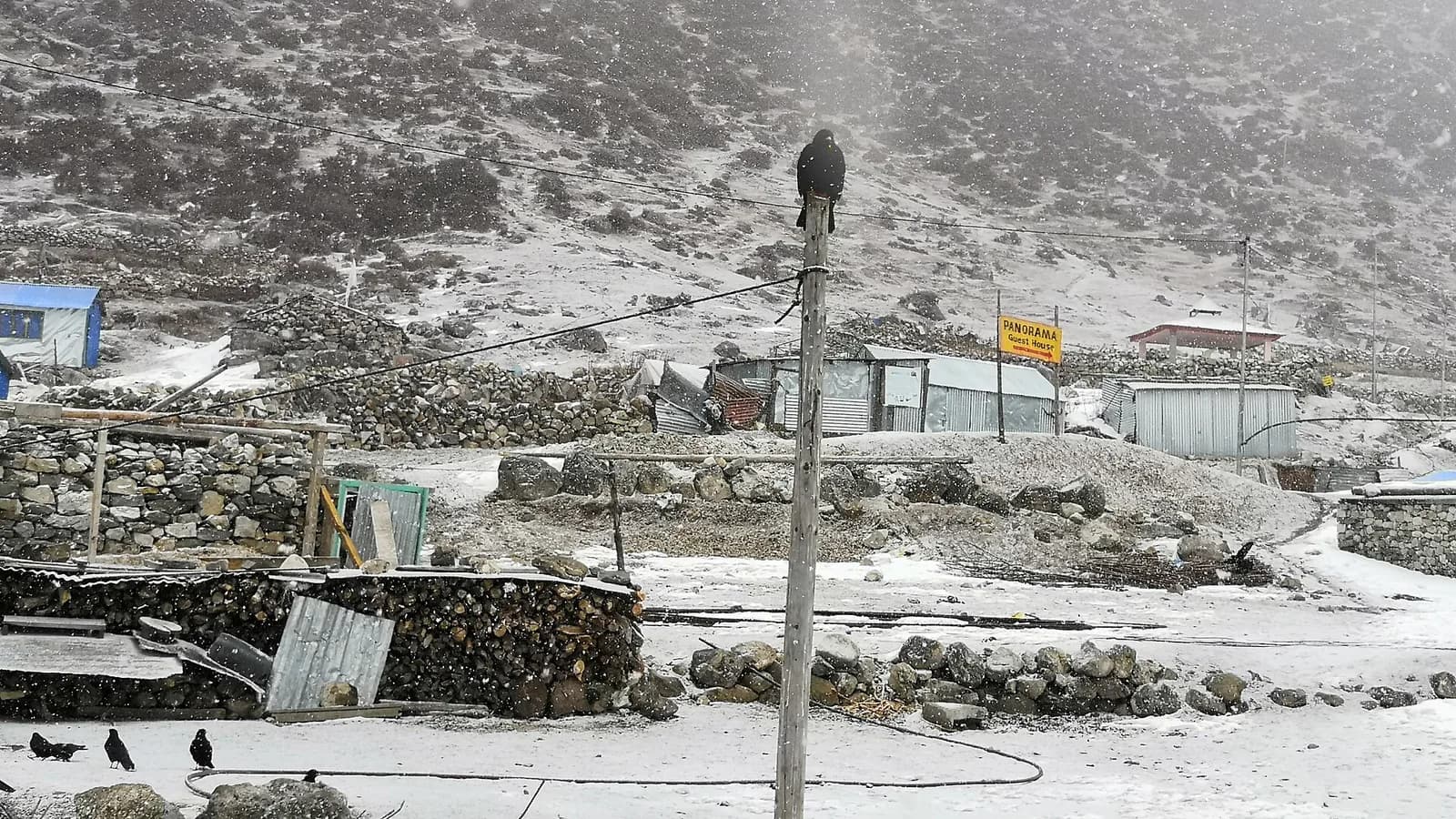
Nepal birdwatching delivers something almost no other country its size can match: in a few days' travel you can move from steamy lowland marshes alive with waterbirds to high Himalayan forests where the national bird glitters in the morning sun. That extraordinary spread of habitat — from near-sea-level plains to alpine meadows above the treeline — is why Nepal sits among the world's great birding destinations, and why its checklist runs to many hundreds of species.
This guide introduces the bird at the heart of it all, the iridescent Danphe, then walks through the country's finest hotspots and the seasons that bring them alive. All facts below come from official checklists, conservation references and reputable birding sources, linked at the end. Bird numbers and ranges are drawn from those sources rather than invented — where figures vary between references, the text says so.
Key takeaways
- Nepal is one of the richest birding countries for its size, with the official checklist recording well over 800 species and global references listing more than 900.
- The national bird is the Himalayan Monal, or Danphe — a large, iridescent high-altitude pheasant.
- Koshi Tappu Wildlife Reserve is Nepal's birding capital and its first Ramsar wetland, superb for waterbirds.
- Chitwan and Bardia national parks, Phulchowki Hill near Kathmandu and the Himalayan parks each offer world-class, very different birding.
- The Spiny Babbler is Nepal's only endemic bird, best looked for around Phulchowki.
- Autumn (Oct–Nov) and spring (Mar–Apr) are the prime seasons; winter is excellent for lowland waterfowl.
The Danphe: Nepal's national bird
The Himalayan Monal (Lophophorus impejanus), known across Nepal as the Danphe, is the country's national bird and arguably one of the most beautiful pheasants on earth. The male is a moving stained-glass window: a metallic green crest, coppery neck, glossy blue-green and purple body and a bold white rump that flashes in flight. The female, as with most pheasants, is far more subdued — streaky brown with a white throat patch and tail markings that keep her camouflaged on the nest. It is a substantial bird, roughly 60 to 75 centimetres long and weighing in the region of 1.4 to 2.4 kilograms.
The Danphe is a creature of the high mountains, living in alpine forest, shrubland and meadow typically between about 2,100 and 4,500 metres, and often most visible at the cooler, lower end of that range in winter. Globally the species is assessed as Least Concern on the IUCN Red List, but it is listed on CITES Appendix I, and it faces local pressure from poaching — the male's crest has long been prized as a status symbol. For visiting birders, seeing a male monal burst from a hillside in the early light is one of the defining experiences of Himalayan birding.
Where to look for the monal
The Danphe is a high-altitude bird, so you find it in the mountain national parks rather than the plains. Langtang, within reach of Kathmandu, ranges from subtropical foothills to high alpine country and is among the parks where monals are recorded, along with other prized pheasants. Patience, an early start and a knowledgeable local guide make all the difference, as the birds favour quiet, steep ground and slip into cover quickly.
How rich is Nepal for birds?
Few countries pack in this much avian variety. Nepal's land rises from the Terai plains at well under 100 metres to the world's highest peaks, and that vertical sweep stacks tropical, subtropical, temperate and alpine bird communities almost on top of one another. The numbers reflect it: the official Birds of Nepal checklist, maintained by the country's conservation authorities, has recorded well over 800 species, while standard global references such as the Clements checklist list more than 900 for the country. The variation comes down to differing taxonomy and survey dates, but every source agrees the total is remarkable for a country of Nepal's modest area.
Among all those species, just one is found nowhere else on earth.
The Spiny Babbler — Nepal's only endemic
The Spiny Babbler (Turdoides nipalensis) holds a special place in Nepali birding as the country's only endemic species — a bird you cannot tick anywhere else in the world. It is a skulking, scrub-loving babbler of hillside thickets, more often heard than seen, and tracking one down is a quiet rite of passage for visiting birders. The forests of Phulchowki Hill near Kathmandu are among the most reliable places to search for it.
Nepal's top birdwatching hotspots
Koshi Tappu — the birding capital
In the eastern lowlands, Koshi Tappu Wildlife Reserve is widely regarded as Nepal's premier birding site, and its credentials are official: declared the country's first Ramsar wetland of international importance back in 1987, its reed beds and marshes on the floodplain of the Koshi River draw a tremendous concentration of waterfowl, waders and migratory birds. Several hundred species have been recorded here, and the reserve is a magnet in winter when migrants pour in. It is the place to go if waterbirds are your passion.
Chitwan — lowland jungle birding
Better known for tigers and rhinos, Chitwan National Park is also a first-rate birding destination, with a list exceeding 500 species across its forests, grasslands and wetlands. The grasslands hold the globally threatened Bengal Florican, the forests echo with the Great Hornbill, and the riverbanks teem with kingfishers and storks. Because so much birding happens from a jeep or canoe, Chitwan is one of the most comfortable hotspots to enjoy — see our Chitwan safari guide for how a visit works.
Bardia — wild and uncrowded
Nepal's largest national park, Bardia, protects a vast spread of sal forest, grassland and riverine habitat in the far west, and shelters over 400 bird species in far quieter surroundings than Chitwan. Grassland specialities such as the Bengal Florican, riverine raptors like Pallas's Fish Eagle and a wealth of forest birds make it a rewarding, off-the-beaten-track choice for birders who want solitude with their sightings.
Phulchowki — birding near Kathmandu
You do not have to leave the Kathmandu Valley to find superb birding. Phulchowki Hill, at 2,782 metres the highest point on the valley rim, is cloaked in subtropical and temperate forest that has yielded several hundred bird species, and the trails and botanical garden on its lower slopes are a classic day out from the capital. It is also, as noted, the prime spot for the endemic Spiny Babbler — a remarkable amount of birding within an hour or so of the city.
The Himalayan parks — high-altitude specialities
For the monal and its high-mountain neighbours — blood pheasants, snow partridges, rosefinches, accentors and the rest of the alpine cast — head for the Himalayan parks. Langtang and the Annapurna and Everest regions all combine spectacular scenery with the chance of genuinely special high-altitude birds, often as a bonus alongside a trek.
Hotspots at a glance
| Hotspot | Region | Known for | |---|---|---| | Koshi Tappu | Eastern plains | Waterfowl, waders, migrants; first Ramsar site | | Chitwan | Central Terai | 500+ species; hornbills, Bengal Florican | | Bardia | Western Terai | 400+ species; quiet, grassland and riverine birds | | Phulchowki | Kathmandu Valley rim | Forest birds and the endemic Spiny Babbler | | Langtang / Himalaya | High mountains | Himalayan Monal and alpine pheasants |
Species counts are approximate and differ between sources; treat them as a guide to richness rather than exact totals.
Best time for birdwatching in Nepal
Timing shapes both comfort and what you will see.
- Autumn (October–November) is a superb all-round window: clear skies, mild weather and active birds make it ideal for hill and forest birding.
- Spring (March–April) brings breeding plumage and song to the hills, with rhododendrons in bloom — a beautiful time in the mid-hills and mountains.
- Winter (December–February) is the season for the lowland reserves, when Koshi Tappu, Chitwan and Bardia fill with migratory waterfowl; mountains are cold and some high ground is snowbound.
- Monsoon (June–September) is wet and harder for travel, though the hills are lush and some breeding activity continues.
For the wider seasonal picture, see our best time to visit Nepal and Nepal weather by month guides.
Practical tips for birding in Nepal
A few pointers make a birding trip smoother:
- Hire a local bird guide. A guide who knows the calls and the territories will multiply your sightings, especially for skulkers like the Spiny Babbler and shy pheasants like the monal.
- Combine lowland and highland. Pairing a Terai reserve with a Himalayan park gives you the country's full range, from waterbirds to alpine pheasants, in one trip.
- Pack for the habitat. Lightweight layers and sun protection for the plains, warm gear for the mountains, and decent binoculars throughout.
- Mind the basics. Drink treated or bottled water (see is the water safe to drink in Nepal), and discuss vaccinations with a travel clinic via our Nepal vaccinations 2026 guide — the lowland reserves are warm and humid.
- Respect the wildlife. Keep your distance, avoid disturbing nesting birds, and choose responsible operators; Nepal's birds, the monal included, face enough pressure already.
From the marshes of Koshi Tappu to the high forests where the Danphe glows against the snow, Nepal offers birding of rare range and quality. Pick your seasons, pair a lowland reserve with a Himalayan park, bring a sharp-eyed local guide, and this small Himalayan country will reward you with a bird list — and a national bird — to remember.
Sources
- Bird Conservation Nepal / DNPWC — Birds of Nepal: An Official Checklist (2022/2025): https://birdlifenepal.org/public/uploads/files/Birds_of_Nepal_An_Official_Checklist_2025_Jan_5.pdf
- Wikipedia — List of birds of Nepal (Clements 2022, 915 species): https://en.wikipedia.org/wiki/List_of_birds_of_Nepal
- Wikipedia — Himalayan monal: https://en.wikipedia.org/wiki/Himalayan_monal
- Wikipedia — Koshi Tappu Wildlife Reserve: https://en.wikipedia.org/wiki/Koshi_Tappu_Wildlife_Reserve
- Nepal Tourism Board — Bird Watching: https://ntb.gov.np/things-to-do/bird-watching
- Himalayan Masters — Birdwatching in Nepal: Top Spots and Best Time: https://himalayan-masters.com/birdwatching-in-nepal-spots-best-time/
Frequently asked questions
- How many bird species are there in Nepal?
- Nepal is exceptionally rich for its size. The official Birds of Nepal checklist has recorded well over 800 species, and standard global references list more than 900, thanks to habitats ranging from near-sea-level plains to high alpine meadows.
- What is Nepal's national bird?
- Nepal's national bird is the Himalayan Monal, known in Nepali as the Danphe. It is a large, dazzlingly iridescent pheasant of the high Himalaya, famous for the metallic blues, greens and coppers of the male's plumage.
- Where can I see the Danphe in Nepal?
- The Himalayan Monal lives in high-altitude forest and shrubland, typically between about 2,100 and 4,500 metres. Mountain national parks such as Langtang are among the better places to look for it, usually in the cooler months when birds move to slightly lower ground.
- Where is the best birdwatching in Nepal?
- Koshi Tappu Wildlife Reserve in the eastern plains is widely regarded as Nepal's birding capital, especially for waterbirds. Chitwan and Bardia national parks, Phulchowki Hill near Kathmandu and the Himalayan parks each offer outstanding and very different birding.
- What is the best time of year for birdwatching in Nepal?
- Autumn (October–November) and spring (March–April) are the prime windows, with clear skies, comfortable weather and migration in full swing. Winter is excellent in the lowland reserves for waterfowl, while late spring brings breeding colour to the hills.
- Is Koshi Tappu good for birdwatching?
- Yes — it is one of Nepal's premier birding sites. Koshi Tappu is the country's first Ramsar wetland of international importance and a magnet for waterfowl, waders and migratory birds, with several hundred species recorded across its marshes and reed beds.
- Can I go birdwatching near Kathmandu?
- Yes. Phulchowki Hill, the highest point on the Kathmandu Valley rim, is a renowned birding site within easy reach of the capital, with several hundred species recorded in its forests. It is also the best place to look for the Spiny Babbler, Nepal's only endemic bird.
- What is Nepal's only endemic bird?
- The Spiny Babbler is the only bird species found in Nepal and nowhere else on earth. It favours scrubby hillsides, and Phulchowki Hill near Kathmandu is a classic spot to search for it.
Related posts
Birdwatching Nepal: Plan a Trip by Target Birds
A practical birdwatching Nepal trip-planner: pick a region by target species, see vulture restaurants and key reserves, plus a sample itinerary.
Read postChitwan Jungle Resort: How to Choose Where to Stay
A Chitwan jungle resort guide for tourists — Sauraha vs Meghauli, resort types, what packages include, and how to book the right base for your safari.
Read postChitwan National Park Safari: Fees, Ethics & Why It Matters
A Chitwan National Park safari is Nepal's great conservation story — official 2026 park fees, the buffer-zone model, and how to visit responsibly.
Read post